Cubs Acquire Ryan Zeferjahn From Angels in Bullpen Trade
The Cubs acquire Ryan Zeferjahn from the Angels for Moisés Ballesteros and Mason McGwire, trading near-term offense for a reliever controlled through 2030.

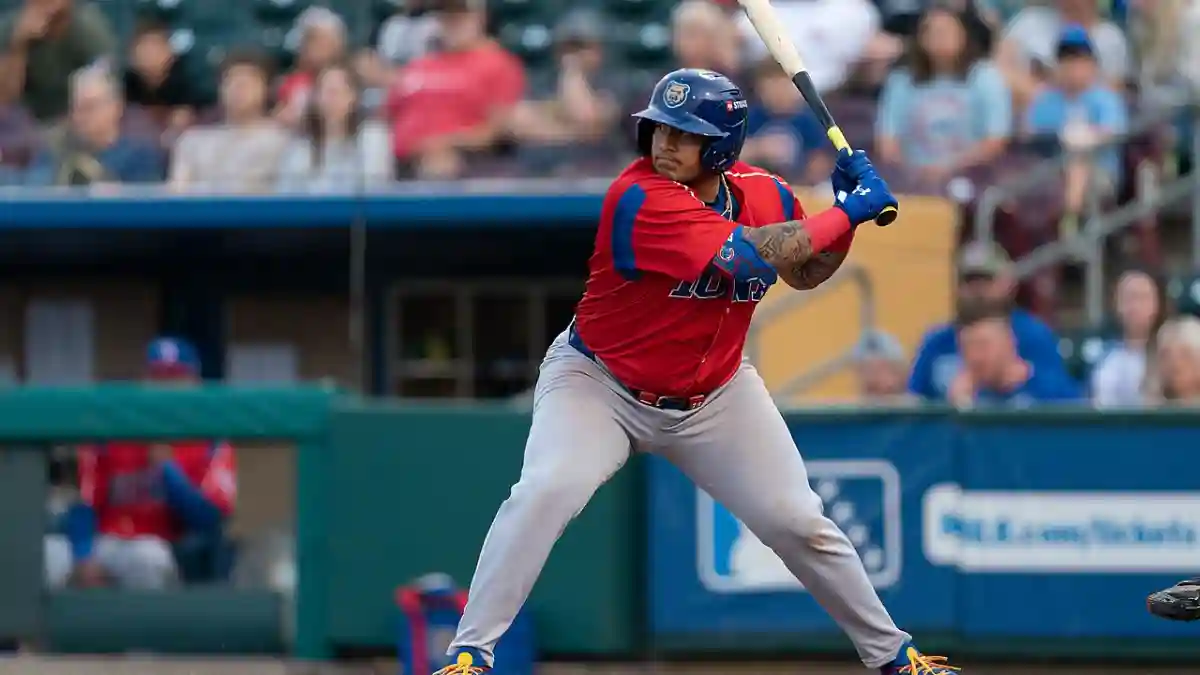
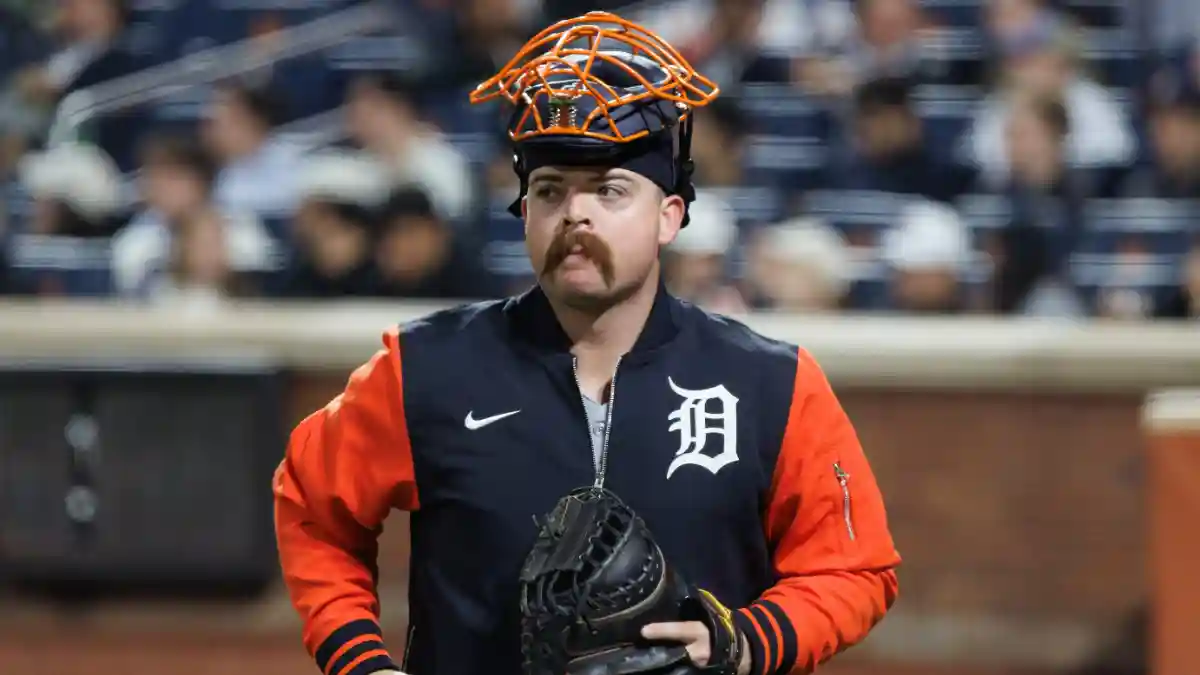
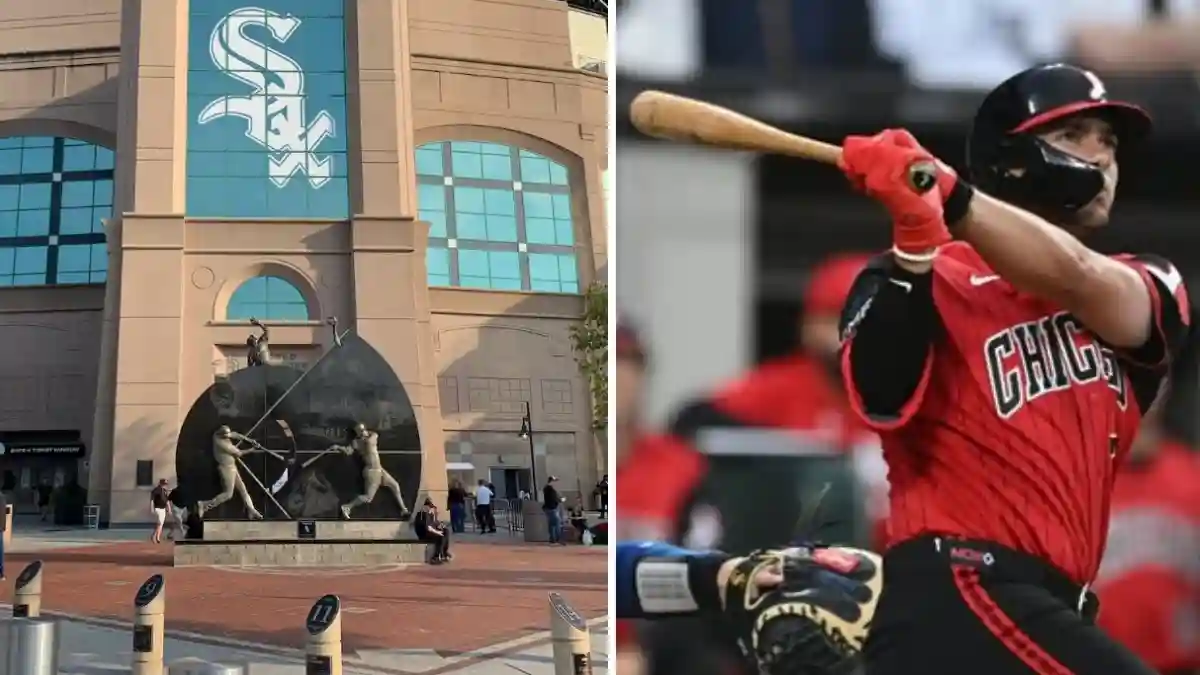
The Chicago Cubs acquired right-handed reliever Ryan Zeferjahn from the Los Angeles Angels on Monday, Aug. 3, 2026. The completed trade sent catcher and designated hitter Moisés Ballesteros and right-handed pitching prospect Mason McGwire to Los Angeles.
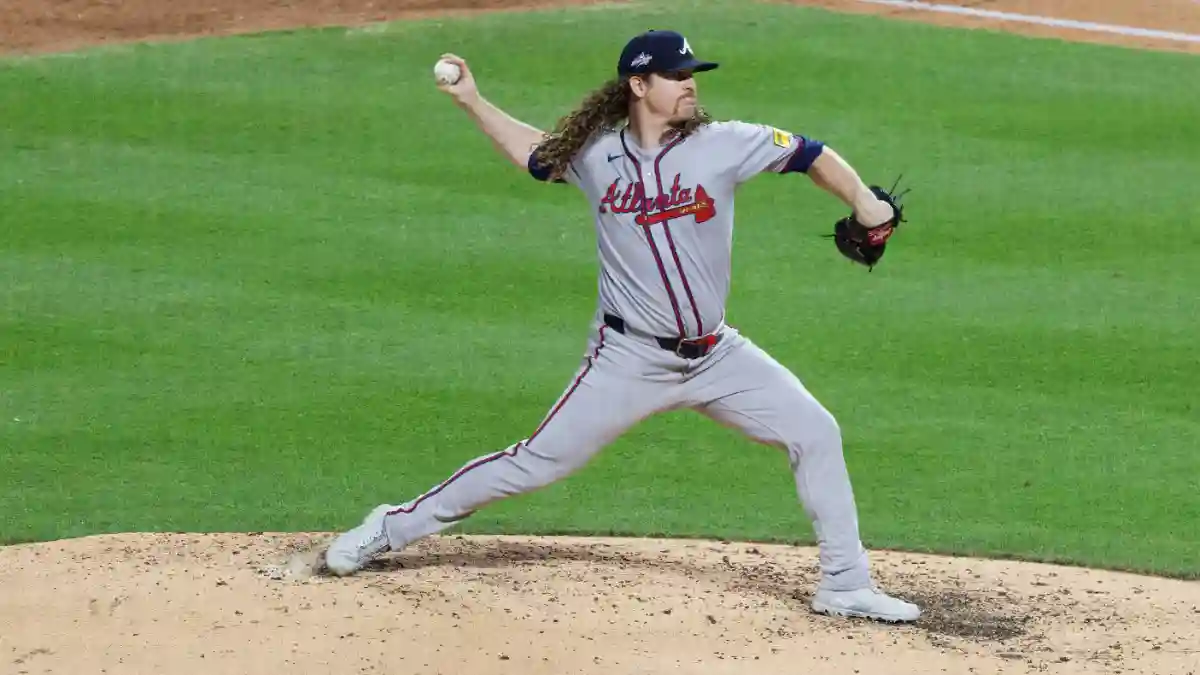
Zeferjahn, 28, arrives with 75 strikeouts and 32 walks in 51 2/3 innings. Those figures explain the trade: Chicago added late-inning strikeouts without certainty that his command can support a fixed role.
Team control through 2030 gives Chicago time to judge whether his late-July command improvement lasts.
Angels get Ballesteros now and McGwire later
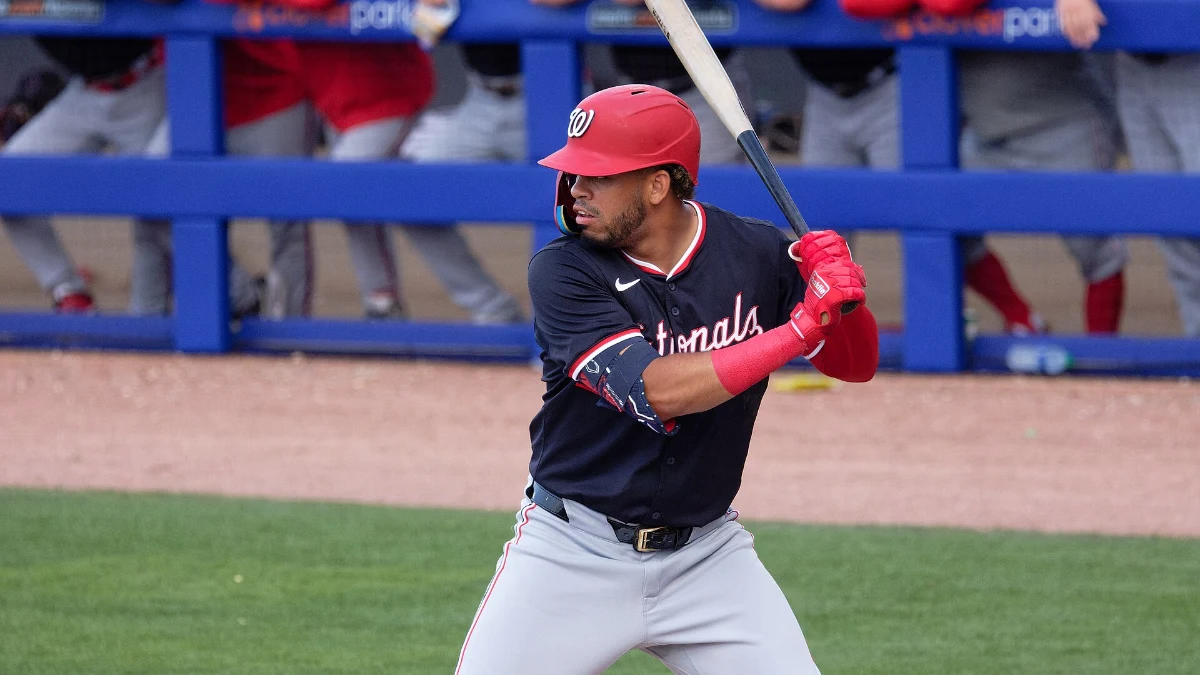
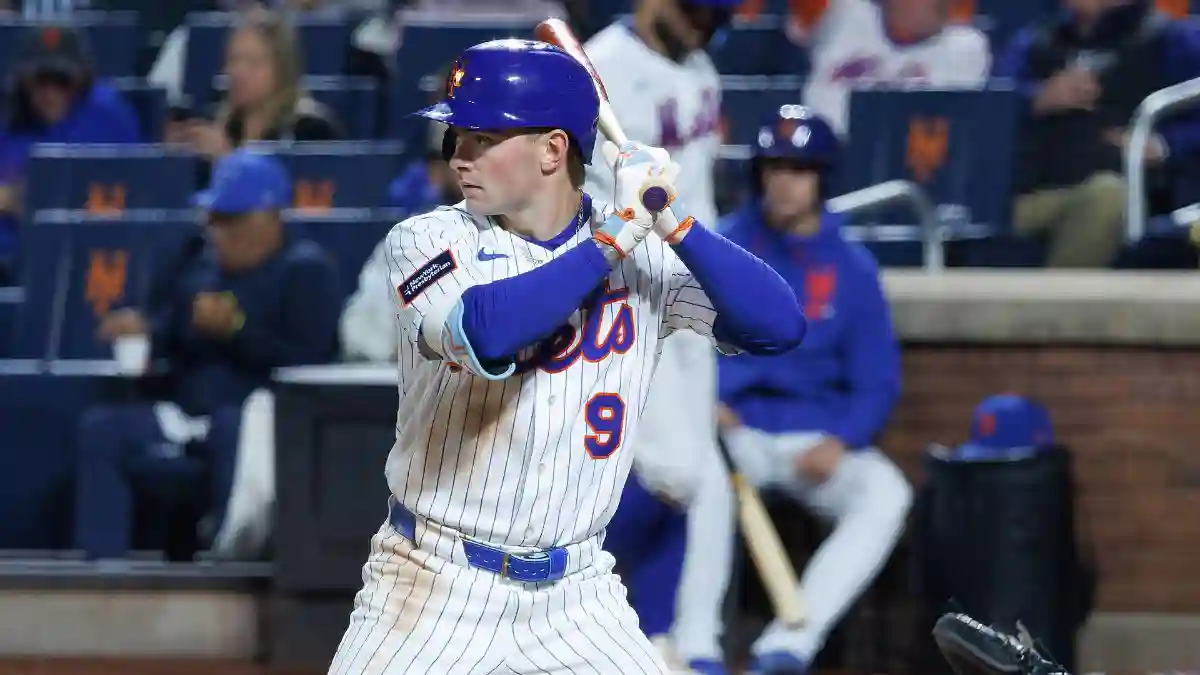
Ballesteros, 22, gives Los Angeles a near-term major-league option rather than a distant projection. The left-handed hitter appeared for Chicago in 2025 and 2026 before he was optioned to Triple-A Iowa in June to receive regular playing time.
His major-league record includes a .231 average, .303 on-base percentage, .385 slugging percentage and .688 OPS across 156 at-bats in 2026, with six home runs and 23 RBIs. He has 213 career major-league at-bats.
Ballesteros has already faced major-league pitching, allowing Los Angeles to assess him as a catcher, designated hitter or left-handed bench bat immediately.
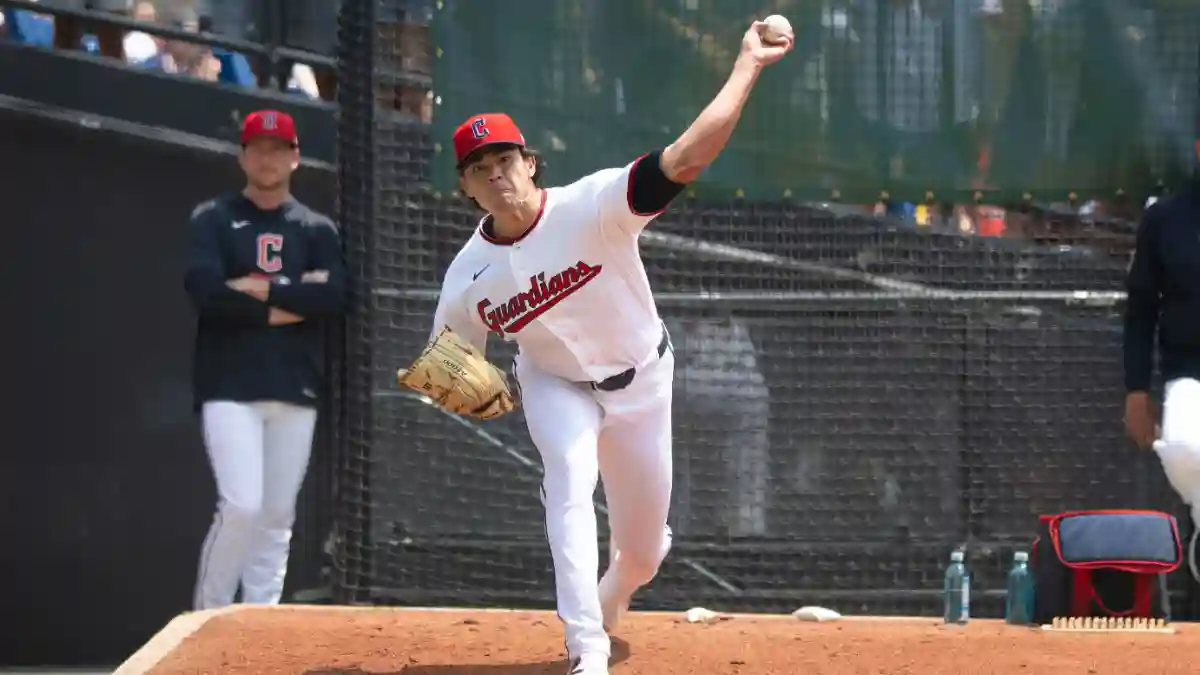
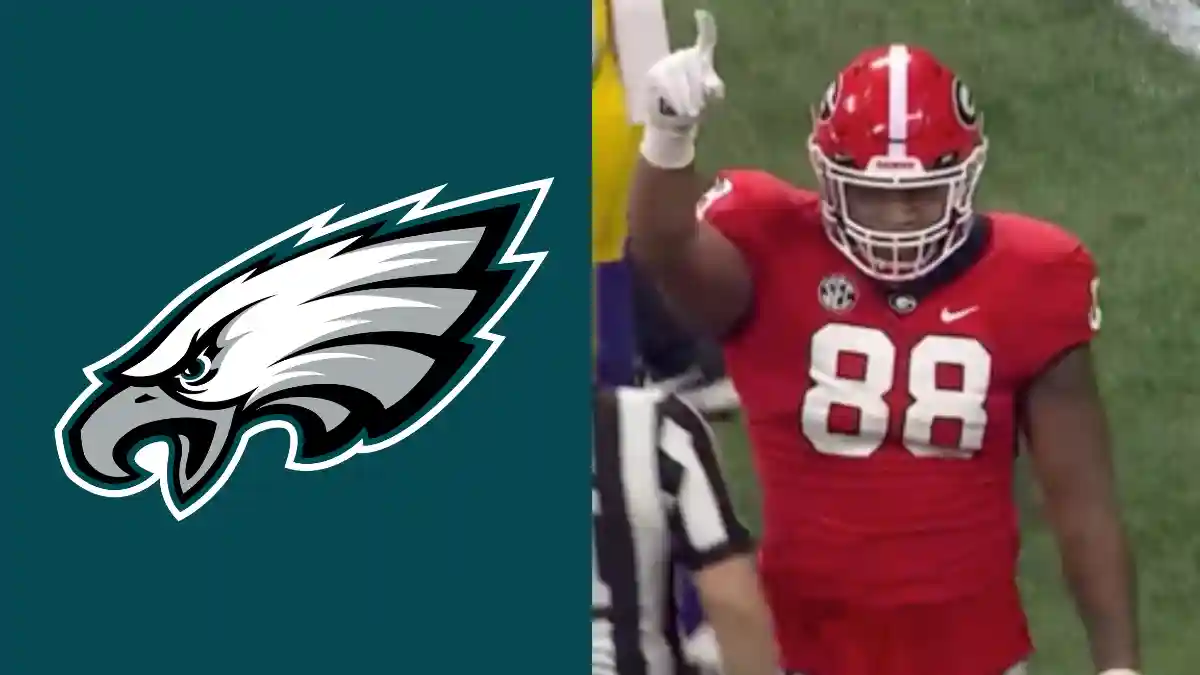
McGwire, 22, is the longer-term piece. The 6-foot-4 right-hander is the son of former major-league slugger Mark McGwire and missed the 2025 season with a partial elbow tear that did not require surgery.
His scouting profile describes a fastball that sits at 92 to 96 mph and reaches 99 mph, with a curveball, slider and splitter also in his mix. His improved control in 2026 strengthened his chance of remaining a starter, though that outcome is not settled.
Ballesteros can compete for plate appearances now, while McGwire's value depends on health, command and progress through the upper minors.
Zeferjahn's walk rate is the risk
Zeferjahn has a 4–3 record, four saves, a 3.66 ERA and a 1.20 WHIP in 45 appearances. His official pitching line also shows 30 hits allowed, meaning walks account for more baserunners than hits in his 2026 season.
The strikeout rate shows why Chicago accepted that risk. Statcast data gives Zeferjahn a 33.6% strikeout rate and a 13.9% walk rate, with a 2.95 expected ERA compared with his 3.66 actual ERA.
The 0.71-run gap suggests his strikeouts and contact quality supported better results than his ERA shows. It does not remove the command problem created by free baserunners.
Zeferjahn's arsenal contains five pitches. His sweeper accounts for 37.3% of his 2026 pitches, followed by a four-seam fastball at 32.7%, a sinker at 15.9%, a slider at 11.2% and a curveball at 3.0%.
The two primary pitches still drive the profile. His four-seamer averages 97.4 mph, while the sweeper averages 85.3 mph. The sweeper has produced a run value of plus eight this season and the four-seamer a value of plus two, giving Chicago two pitches that have generated positive results despite the overall walk rate.
Zeferjahn's final Angels appearance showed the immediate use of that combination. He recorded a five-out save against the Milwaukee Brewers on Aug. 2, 2026, allowing two hits and striking out four without a walk over 1 2/3 scoreless innings.
Cubs add velocity without naming a closer
Zeferjahn has six saves in 119 career appearances. He has worked in the late innings, though the Cubs have not assigned him a closing role.
Chicago's return is built around velocity, strikeouts and team control rather than an established ninth-inning record. Manager Craig Counsell must decide whether Zeferjahn is best used for clean save situations, inherited runners or the point in a game when one strikeout has the greatest value.
His final seven appearances for Los Angeles offer the most useful question in the deal. Zeferjahn posted a 2.35 ERA with 14 strikeouts and one walk in 7 2/3 innings during that stretch.
Before those seven outings, he had issued 31 walks in 44 innings. The late improvement was therefore substantial, but the sample was brief. Chicago must determine whether it came from a repeatable adjustment in his delivery and strike-throwing or from a short sequence of better results.
That distinction will shape his role. A 33.6% strikeout rate can protect a lead with runners on base, while a 13.9% walk rate can create the same jam the Cubs are asking him to escape.
Ballesteros gives Angels a near-term left-handed bat
Los Angeles entered the deadline seeking left-handed offense and possible catching help. A pre-deadline roster assessment also noted Zeferjahn's control through 2030, allowing the club to demand a meaningful return.
Ballesteros addresses the near-term part of that return. His major-league experience gives the Angels a player they can test against major-league pitching, and his age leaves room for improvement after his 2026 production fell from a strong opening stretch.
The trade also gives Ballesteros a clearer route to regular at-bats. Chicago had moved him between the majors and Triple-A Iowa, and he did not hold a fixed everyday position before the deal.
McGwire gives Los Angeles a separate pitching bet. His fastball velocity, breaking pitches and improved control give him a possible path to starting, while the missed 2025 season and his limited upper-level experience keep that projection uncertain.
The Angels have therefore converted one established major-league reliever into a hitter who can be evaluated now and a pitcher whose development will take longer. The Cubs have taken the opposite side of that exchange by giving up two paths to future value for one arm they expect to use immediately.
Zeferjahn's command remains the question
The Cubs exchanged an MLB-ready left-handed hitter and a developing starting candidate for a reliever under team control through 2030.
Team control separates the move from a rental and explains why the Angels could demand two young players.
The deal turns on one measurable change. Zeferjahn walked one batter in his final 7 2/3 innings after walking 31 in his previous 44. Chicago now has to establish which version of that command will carry into its bullpen.
- Ryan Zeferjahn
- Chicago Cubs
- Los Angeles Angels
- MLB trade deadline
- Moisés Ballesteros
- Mason McGwire