Kaylee Hottle, Godzilla vs. Kong Actress, Dies at 19
Kaylee Hottle, the deaf actress who played Jia in Godzilla vs. Kong, died Tuesday in a Frederick, Maryland car accident. Her father confirmed the news via ASL livestream.
entertainment
Colin Gray received 15 years after jurors tied firearm access and ignored warnings to the 2024 Apalachee High School shooting that killed four people.
Trump paused planned Iran strikes while Gulf mediators pursued a Hormuz agreement, but Tehran had not publicly accepted the proposed terms.
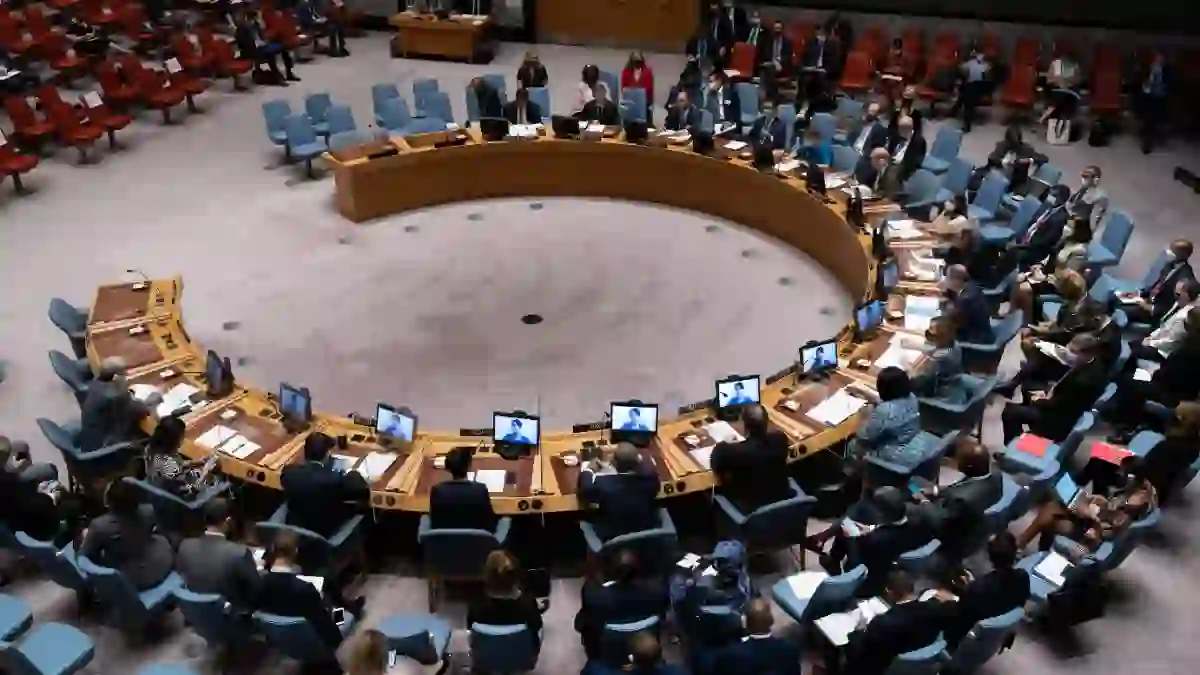
US diplomats walked out on France at the UN Security Council on July 27, after Paris compared Washington's human rights record to North Korea's.

Madison Beer and Justin Herbert announced their engagement on July 28, 2026, after being first publicly linked in August 2025 here is their full relationship timeline.

The August 2026 SSI payment is scheduled for July 31 because Aug. 1 falls on a Saturday. No separate SSI deposit lands in August, here's what the SSA payment calendar shows and when to expect the next payment.
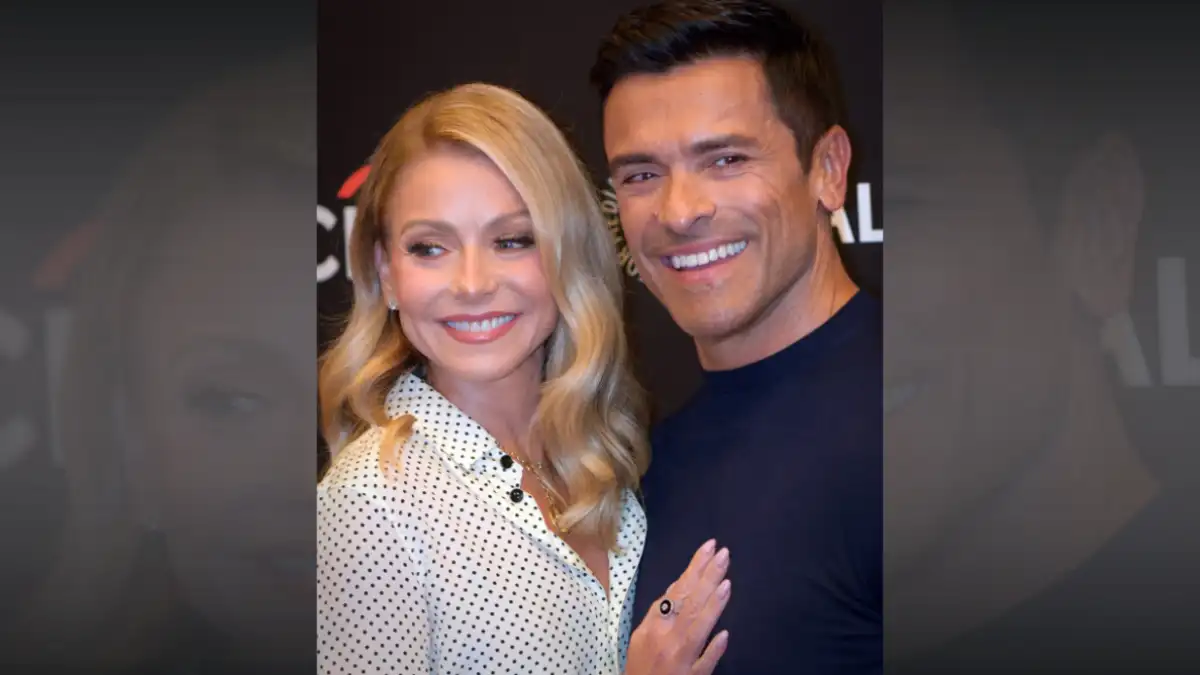
Kelly Ripa missed 'Live with Kelly and Mark' on July 27 after gum graft surgery. Mark Consuelos revealed she can't talk during recovery.
Hailee Steinfeld revealed daughter Harper Haize Allen in a June letter. Josh Allen told E! News the name was his wife's idea, chosen early in the pregnancy.
Ryan Gosling was officially announced as Ghost Rider at Marvel's SDCC 2026 Hall H panel, with Shawn Levy directing the 2028 MCU film.
Tropical Storm Bertha moved inland over eastern Texas on Thursday, July 23. Rain totals, the Texas coast warning zone, and Galveston surf hazards explained.
Southwest flight attendant Lorenzo Thompson detained by ICE at Nashville Airport on July 14. His union is providing legal support as ICE alleges a 2021 visa overstay.
Amy's Kitchen recalled about 184,200 cans of Organic Lentil Soup – Light in Sodium over a pull-tab defect. The affected lot is 60D0924, with a best-before date of 04/2027.
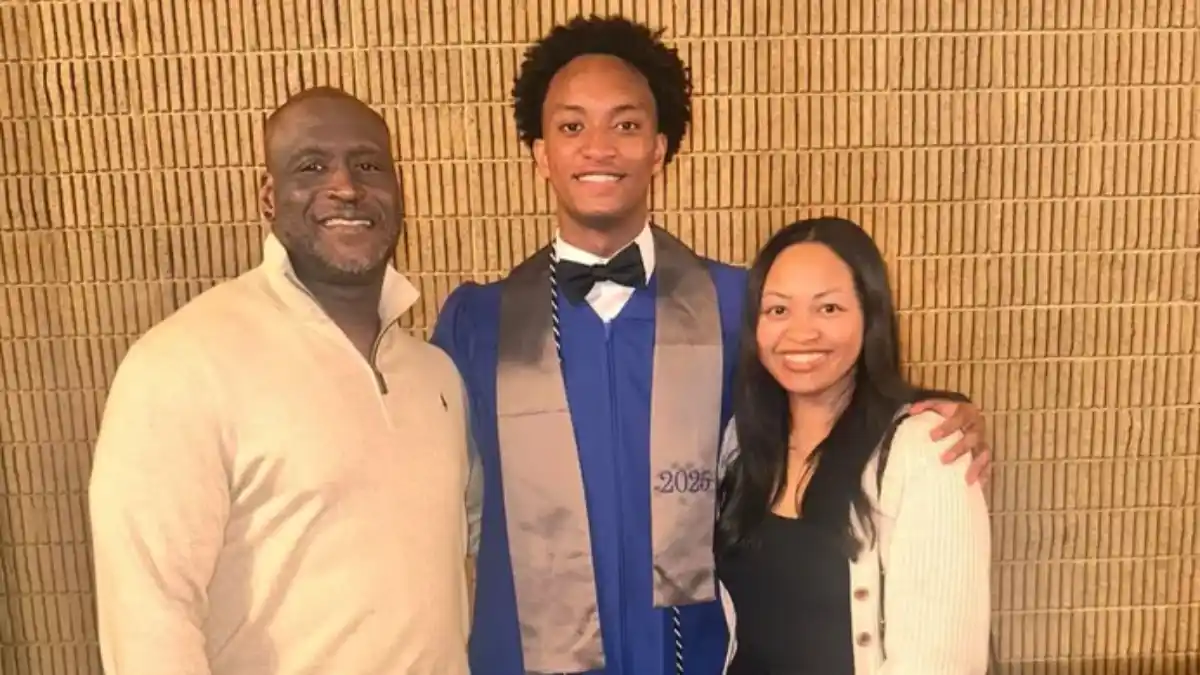
Independent autopsy finds Nolan Wells' cause and manner of death undetermined as the family demands answers at the NAACP convention in Chicago.
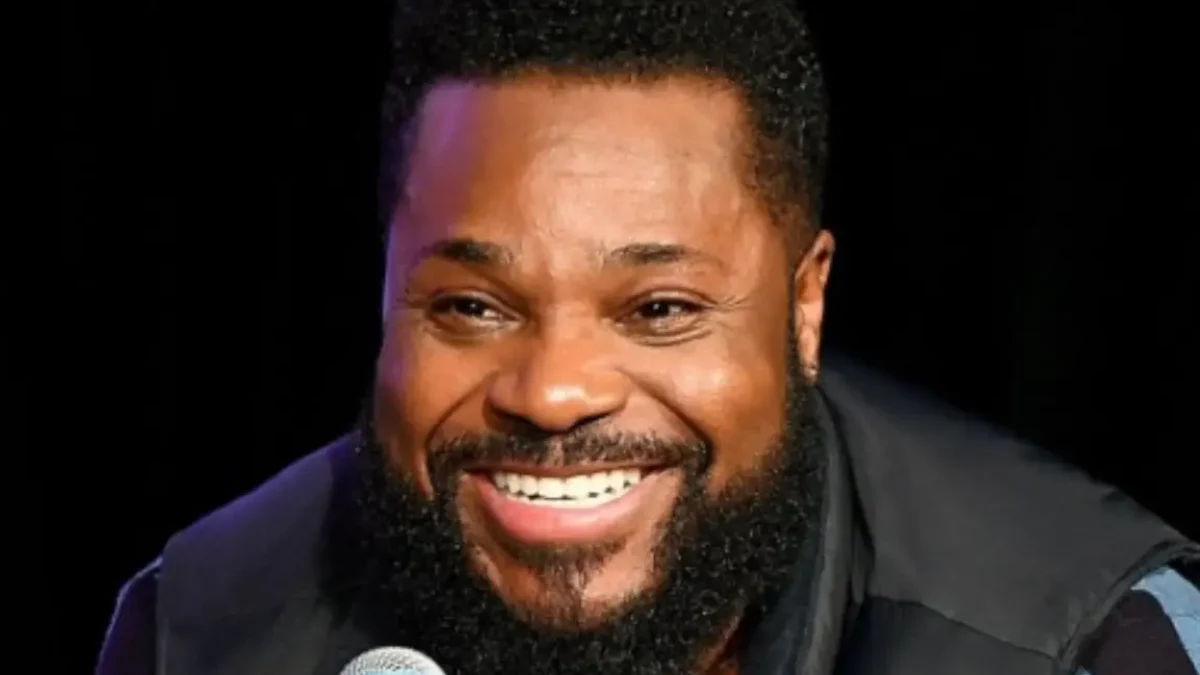
Tenisha Warner sues Malcolm-Jamal Warner's mother over $1.27M in alleged unpaid prenup obligations, including life insurance, salary, and anniversary payments.

Andrew Truelove, 41, was arraigned on hate crime charges after breaching NBC's Studio 1A and confronting TODAY anchor Craig Melvin with a racial slur.