Valverde's Role in Uruguay's 4-4-2 World Cup 2026 Plan
Uruguay vs Saudi Arabia 2026 World Cup opener: Bielsa ditches his usual shape and hands Valverde a different kind of brief. Here's what that really means for La Celeste.

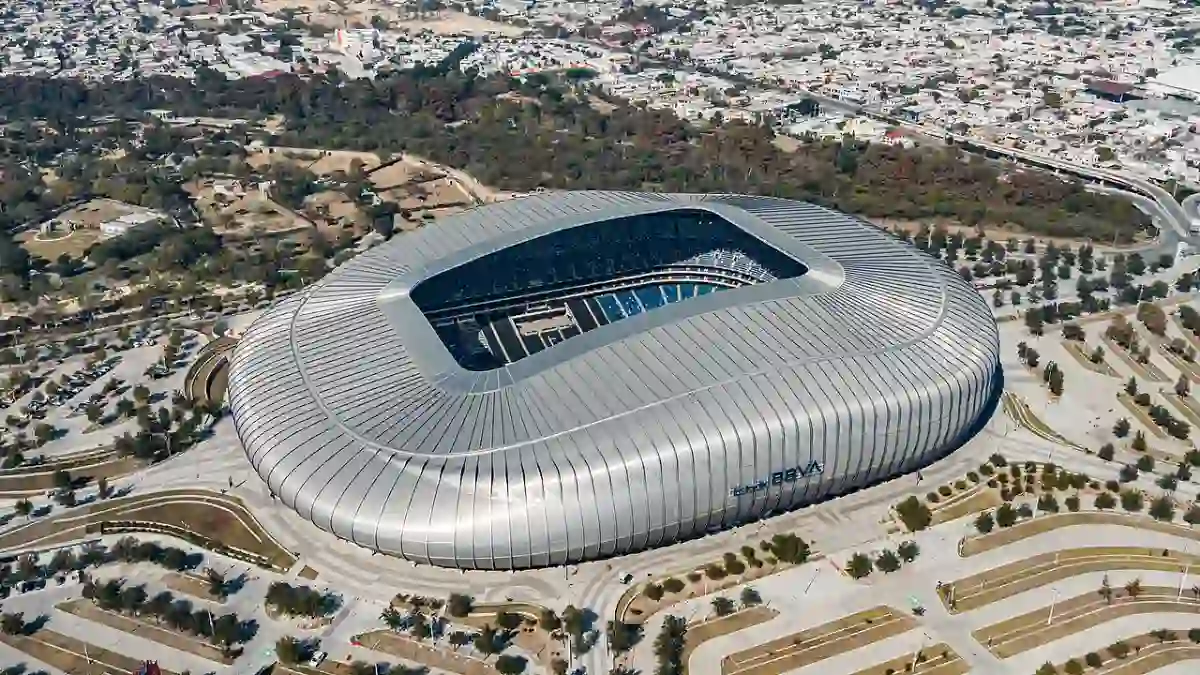
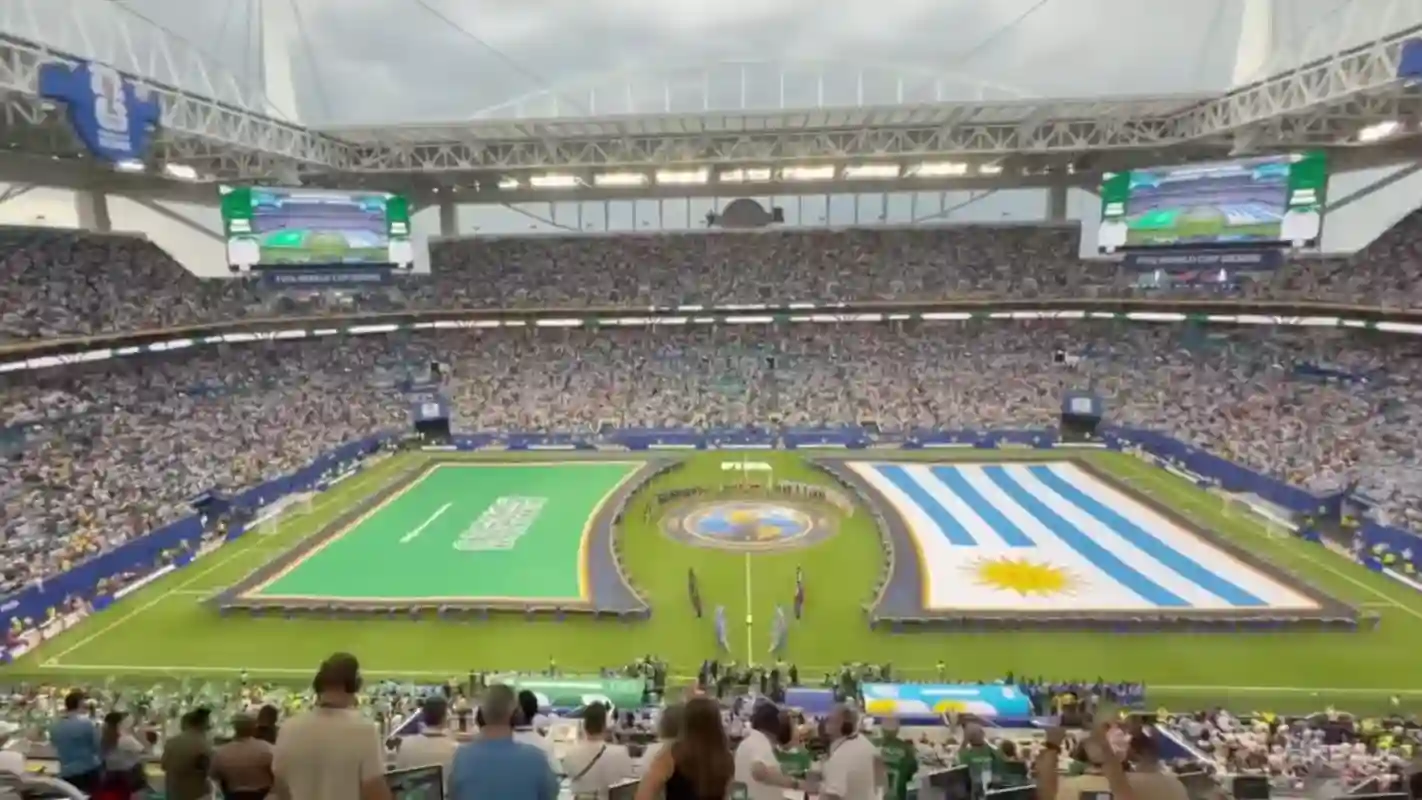
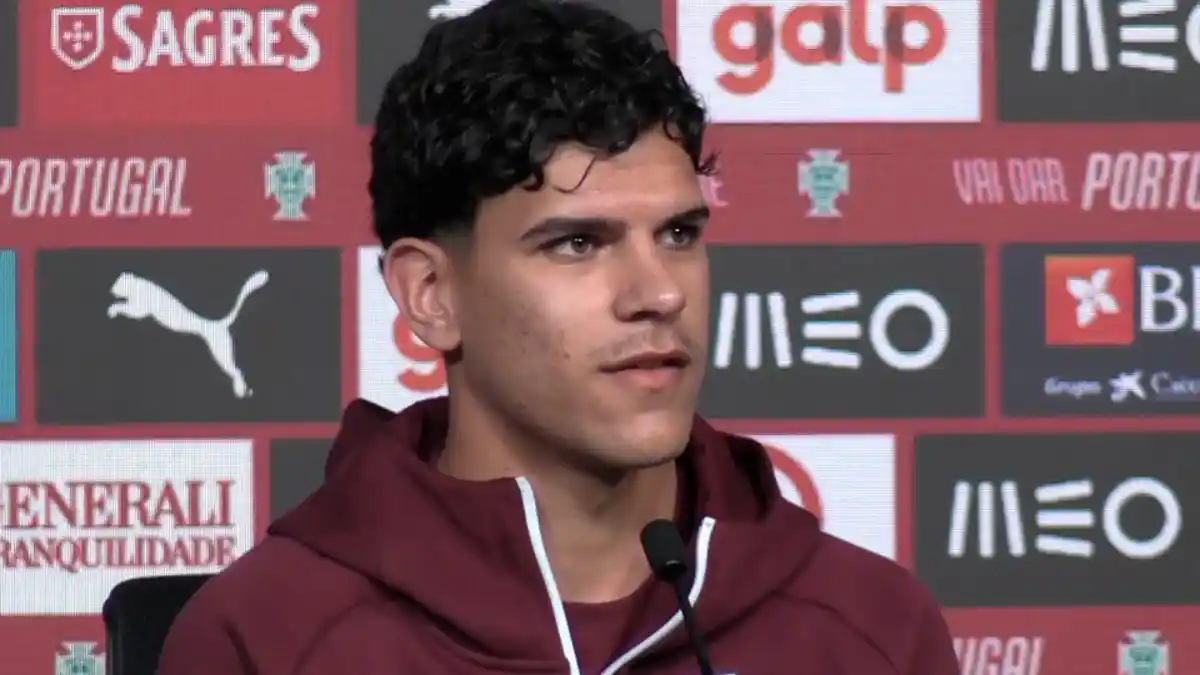
There is no Arrascaeta. Ronald Araujo is not even in the squad. Jose Gimenez is on the bench rather than the pitch. And yet here is Uruguay, walking into their World Cup 2026 opener at Hard Rock Stadium in Miami, and somehow still carrying the weight of legitimate expectation. The reason? Federico Valverde, 27 years old, Real Madrid captain, and the kind of footballer who elevates everyone around him regardless of what shape Marcelo Bielsa draws on the tactics board.
Tonight that shape is a 4-4-2, and it changes quite a bit about how Uruguay will play.
The Formation Switch That Actually Makes Sense
Bielsa built this Uruguay project around a high-pressing 4-3-3. It has been his template since he took charge in May 2023, and it delivered results fast: back-to-back 2-0 wins over Brazil and Argentina in CONMEBOL qualifying remain two of the most striking performances La Celeste have produced in years. As RotoWire's Group H preview notes, Bielsa's base shape is either a 4-4-2 or a 4-3-3 depending on the opposition, with Federico Valverde driving almost everything.
Against Saudi Arabia, the 4-4-2 is the answer. Two banks of four, a double striker partnership of Darwin Nunez and Federico Vinas, and a midfield quartet tasked with doing the dirty work while also supplying the quality.
It is compact. It is physical. It is very Bielsa, just in a different uniform than expected.
Valverde as Right Midfielder: What That Actually Means
In a 4-3-3, Valverde is a box-to-box engine in the central three. He covers ground, carries ball, scores goals and is the creative glue that holds Uruguay's transitions together. In the 4-4-2, his role shifts to the right side of midfield, but calling him a traditional right midfielder would be underselling it significantly.
This is the version of Valverde that Saudi Arabia most needs to worry about.
Playing from a wider starting position gives him the license to time his runs into central areas without anyone tracking him. When Ugarte wins possession and the ball shifts quickly, Valverde's movement off the shoulder of the Saudi midfield is where Uruguay's best attacking moments are likely to originate. His importance to Uruguay in tight moments was underlined in March 2026 when he stepped up to convert a stoppage-time penalty at Wembley, rescuing a 1-1 draw against England in the 90+4 minute after Federico Viñas was fouled by Ben White. The coolness in high-pressure moments is a constant with him, and Saudi Arabia cannot afford to give him those situations.
His 2025-26 club season underlines just how sharp he arrives at this tournament. Across the La Liga campaign, Valverde made 33 appearances, starting 31 of them, scoring 5 goals and contributing 8 assists for 13 goal contributions in the league alone. In the Champions League he added a further 3 goals and 4 assists across 13 matches, including a hat-trick against Manchester City in the Round of 16. Across both competitions combined, his goal involvement reached 20 contributions for the season. He arrives in outstanding form at 27, and Uruguay need every bit of it.
Why Bielsa Abandoned the 4-3-3 Tonight
The injury situation is brutal, and it has forced Bielsa's hand more than any tactical preference.
Ronald Araujo's calf problems were serious enough to see the Barcelona defender left out of the matchday squad entirely, while Jose Gimenez has recovered sufficiently from his ankle issue to be named on the bench but will not start. That means both first-choice centre-backs are absent from the starting XI for the first match of the World Cup. Sebastian Caceres steps in, which is not a collapse in quality but is a meaningful step down from one of the most reliable defensive partnerships Uruguay have in international football.
Giorgian de Arrascaeta, the creative playmaker who would operate as the classic number 10 in a 4-3-3, is also absent with a calf injury. And Arrascaeta is not a player Uruguay simply replaces. He connects the midfield to the attack with his movement and vision, and without him, Bielsa has less justification for a system that relies on a fluid third player in the midfield three.
Hence the 4-4-2. Two wide midfielders who offer more defensive cover than a narrow three. Two strikers who compensate for lost creativity with physical presence. A shape that gives Uruguay resilience first, and trusts the quality in the centre to unlock things from there.
The Midfield Engine Room
If there is a reason Uruguay can still dominate this match despite the injury problems, it is because the midfield three of Valverde, Manuel Ugarte and Rodrigo Bentancur is genuinely elite even without ideal conditions around them.
Ugarte plays deepest, sitting as the defensive shield in front of the back four. His role is straightforward: win the ball back, recycle possession, and allow the more creative players to function. Bielsa specifically values Ugarte's profile because the 4-3-3 and 4-4-2 both rely on aggressive counter-pressing, and Ugarte is the engine of that press from the centre.
Bentancur provides balance and composure on the left of the central midfield axis. He is the calmer of the two, the one who dictates tempo when Uruguay are in possession and reduces the risk of overcommitting forward.
And then Valverde does both. He presses, he carries, he arrives in dangerous areas and he scores. In a 4-4-2 that starts compact, his ability to push up from right midfield into the central attacking pocket gives Uruguay an unpredictable dimension that Saudi Arabia's double pivot of Mohamed Kanno and Abdullah Al-Khaibari will find extremely difficult to manage.
Maxi Araujo starts left midfield in this shape, offering width and directness on the opposite side. He is a different profile to Valverde, more of a traditional wide midfielder, but his energy fits what Bielsa needs from the system.
The Tactical Battle That Will Define This Match
Salem Al-Dawsari is Saudi Arabia's central threat. The captain, with 109 caps, operates on the left side and has the quality to hurt teams in transition when he gets space to drive. He is, as multiple analysts have pointed out, the one Saudi player capable of producing a moment from nothing.
The subplot worth watching closely is how Valverde manages his defensive responsibilities on the right side. When Uruguay push forward, Al-Dawsari will target the space behind Valverde and Varela. Saudi Arabia's tactical plan under new coach Georgios Donis, appointed in April 2026, appears built around sitting deep and hitting on the counter, and that is where the Uruguayan right side becomes exposed if Valverde commits too aggressively into attack.
It is the tension at the heart of his role tonight. Too cautious, and Uruguay lose their most dangerous forward-running outlet. Too reckless, and Al-Dawsari gets a channel to run into. The balance Valverde strikes in those moments will likely decide how comfortable this result feels.
Saudi Arabia arrive having won just one of their five pre-tournament matches, with losses to Egypt, Serbia, and Ecuador sandwiched around a 3-0 win over Puerto Rico and a goalless draw with Senegal in their final warm-up. Mohammed Al-Owais kept that clean sheet against Senegal, and the defensive organisation under Donis has shown more cohesion than the attacking end. Uruguay averaged 3.2 shots on target per match throughout CONMEBOL qualifying, and breaking down a disciplined defensive block is exactly the kind of challenge where Valverde's late runs from midfield become most valuable.
What Uruguay Need From Valverde Right Now
With the creative depth missing through injury, Valverde is not just the best player on the pitch for Uruguay tonight. He is also the pressure valve. He is the one who can produce something from nothing, who can carry when possession gets stuck, who can arrive into the penalty area at exactly the moment the defence has stopped expecting it.
He has 73 caps for Uruguay and 9 international goals, numbers that understate his importance to this team. Tacticalfootballanalysis.com's breakdown of Bielsa's Uruguay highlights that Valverde has made the most appearances under Bielsa of any Uruguay player, and that one of the most difficult movements in football to defend is the midfielder arriving beyond the forwards into space. That is Valverde's signature.
Uruguay need him to do it a few times tonight, and do it well.
Saudi Arabia will make this hard, they always make things hard. But federico valverde world cup 2026 is a sentence with a very different ring to it when you watch him play. He is not coming here just to be part of the picture. He is coming here to be the reason this tournament goes deep for La Celeste.
- federico valverde world cup 2026
- uruguay 4-4-2 world cup
- bielsa uruguay tactics
- uruguay vs saudi arabia
- world cup 2026 group h
- valverde position uruguay