Bellingham Faces Possible FIFA Action After Barco Incident
Jude Bellingham appeared to slap Argentina's Valentín Barco after England's 2–1 World Cup semi-final loss. FIFA rules permit retrospective action, here is what the code allows.

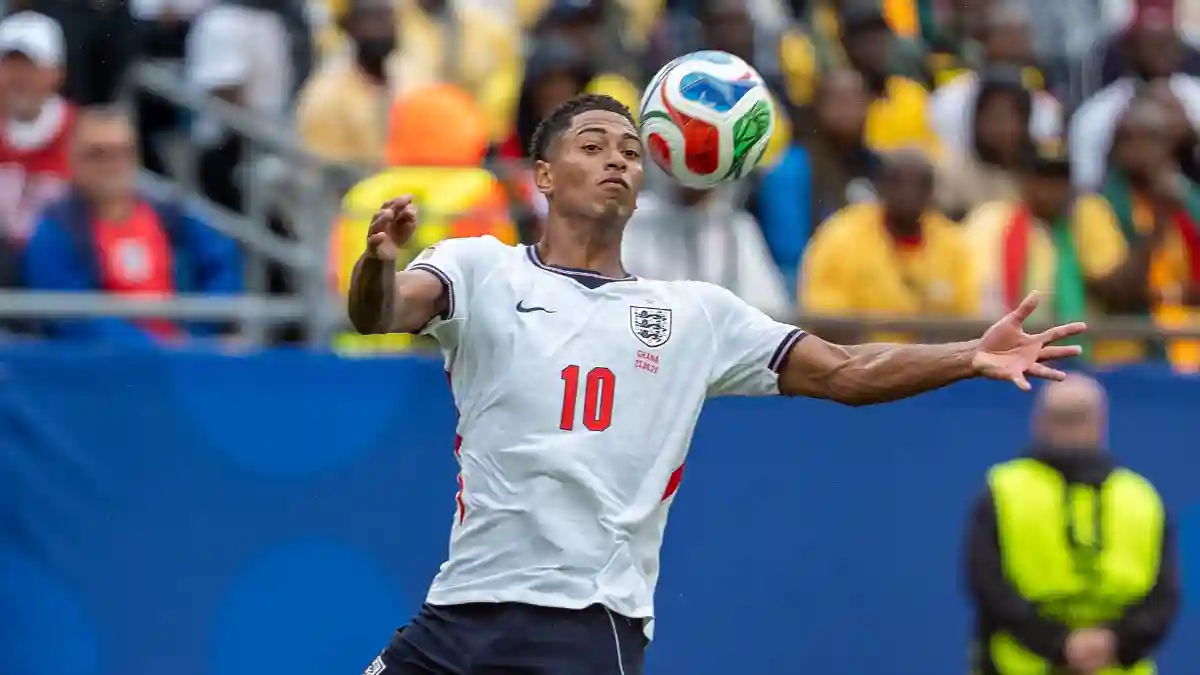
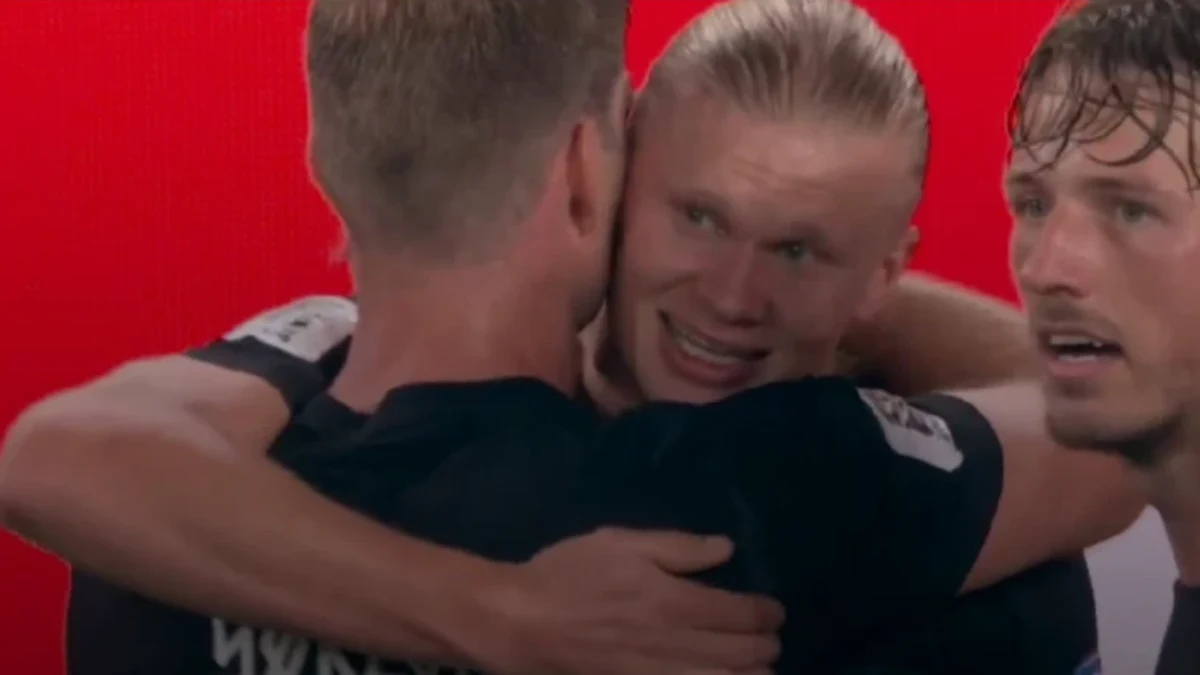
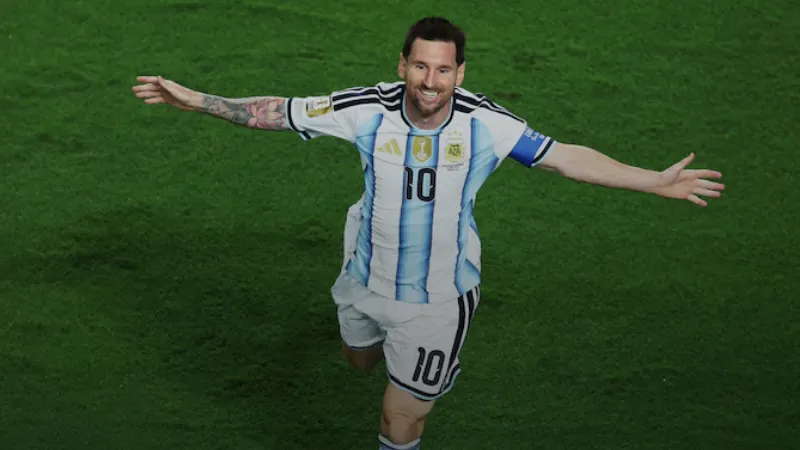
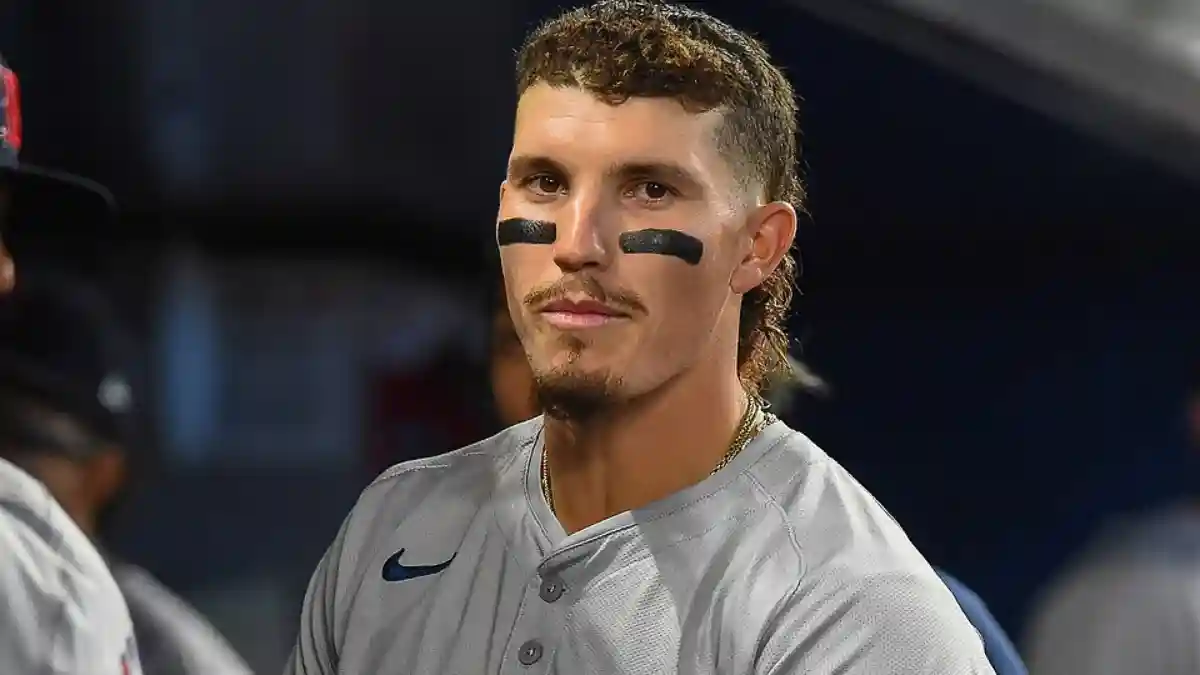
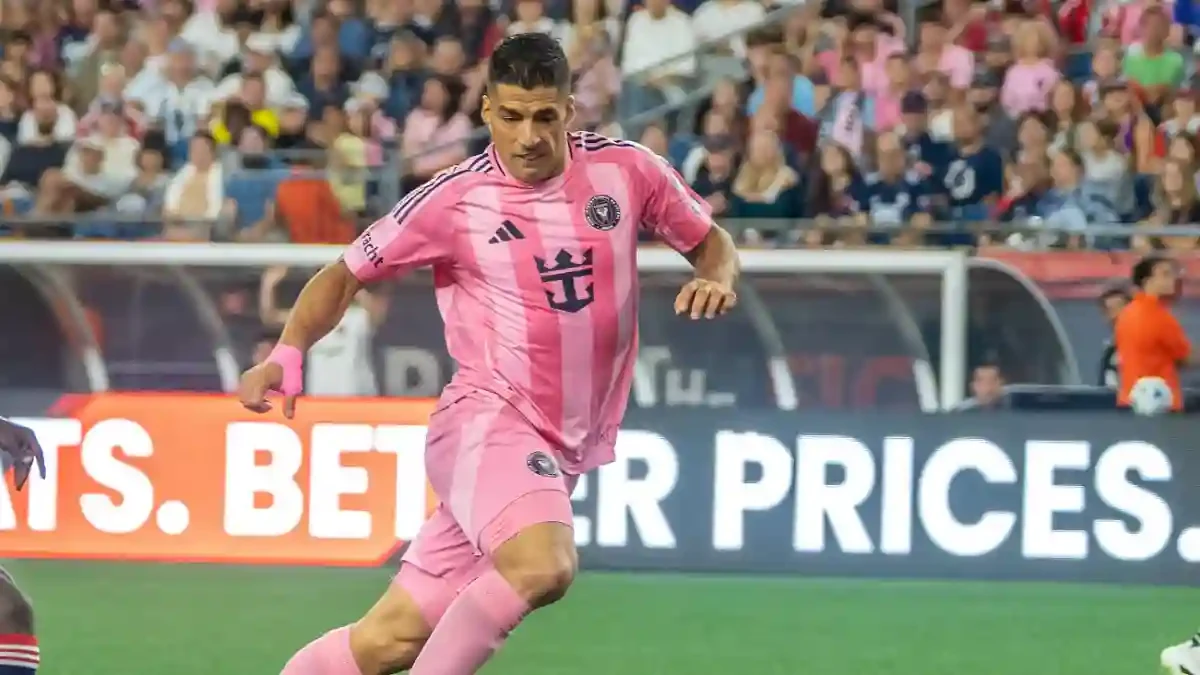
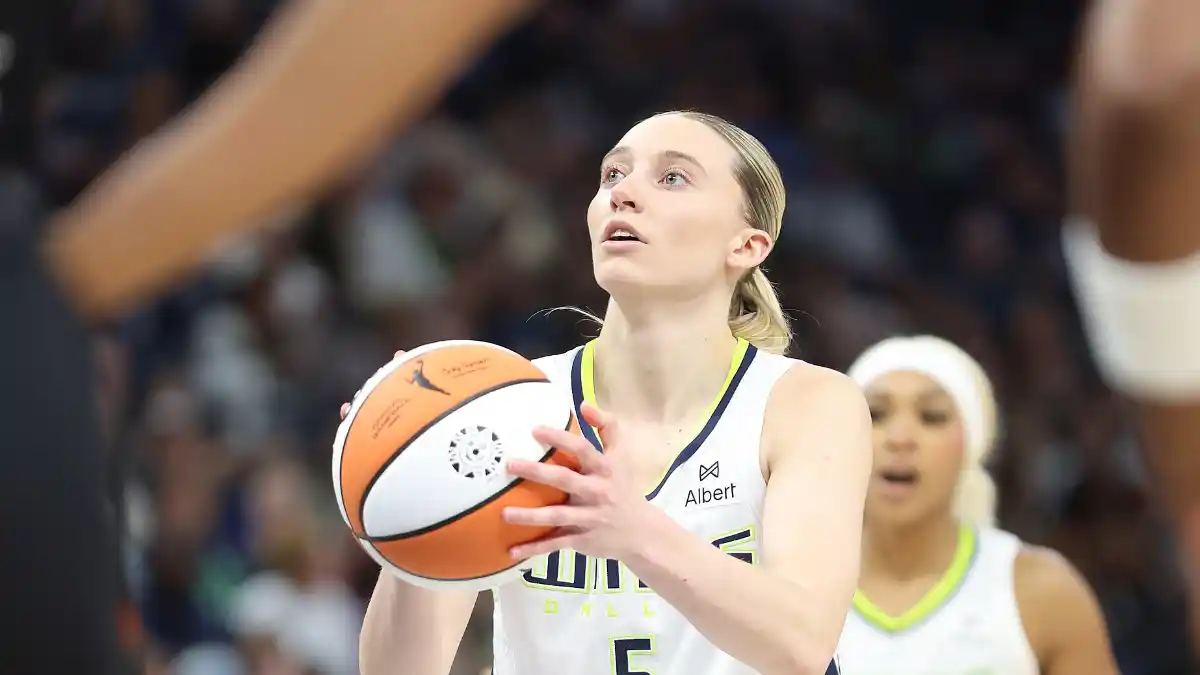
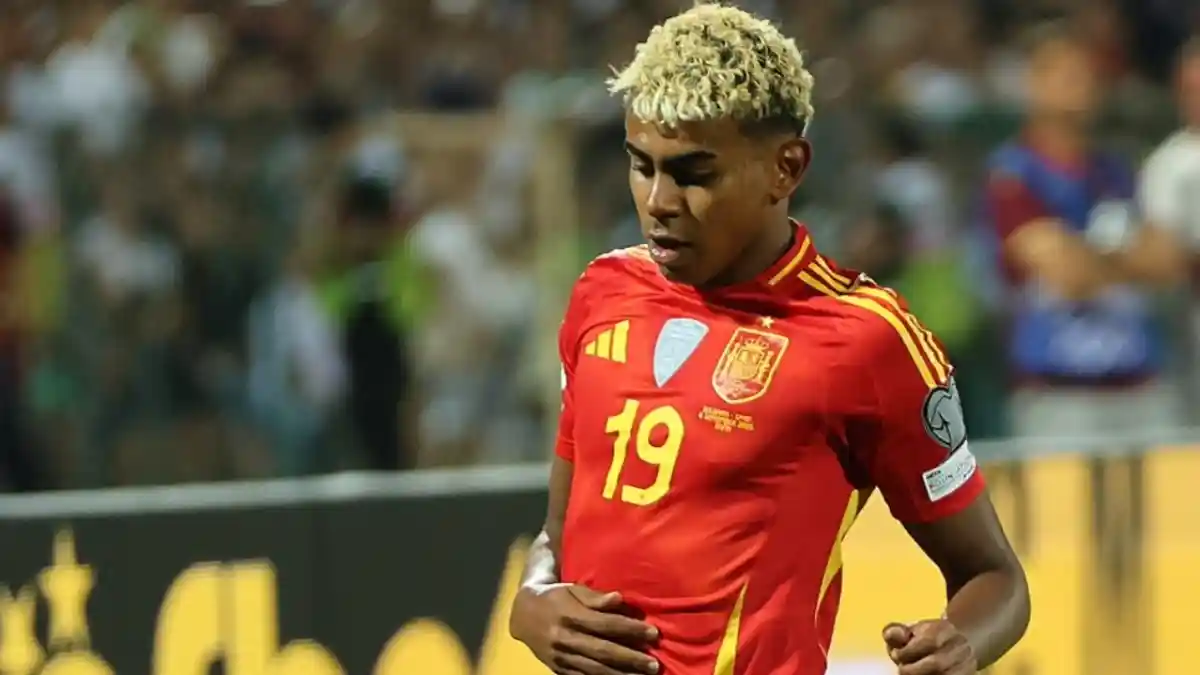
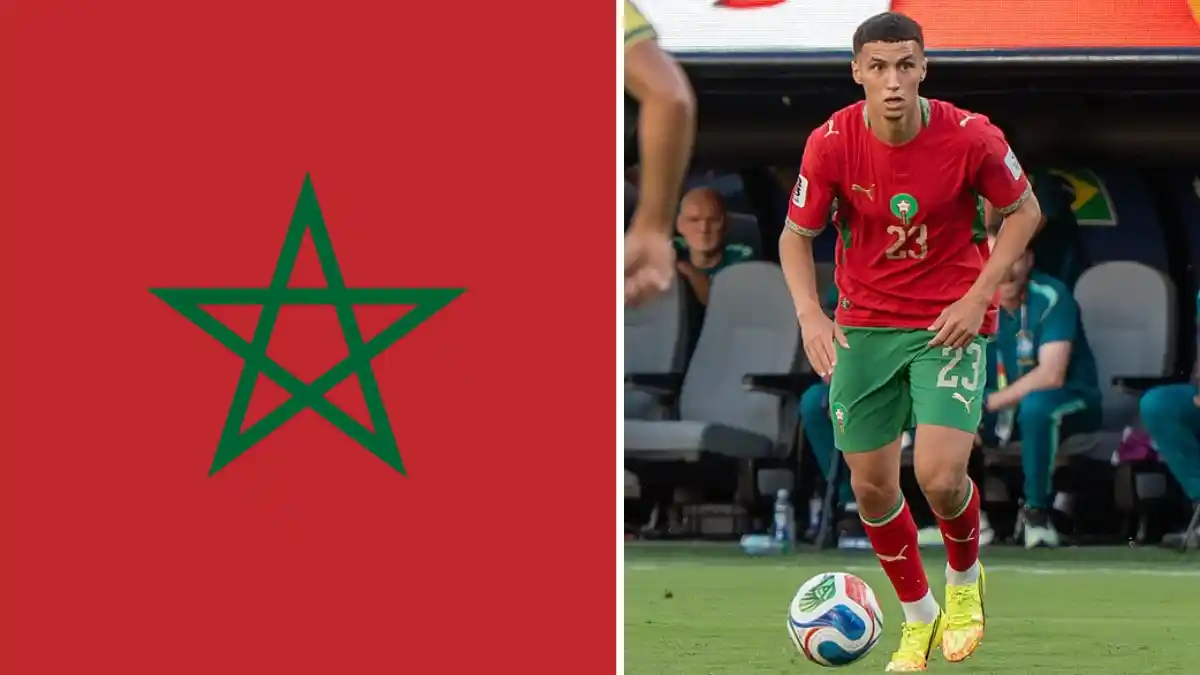
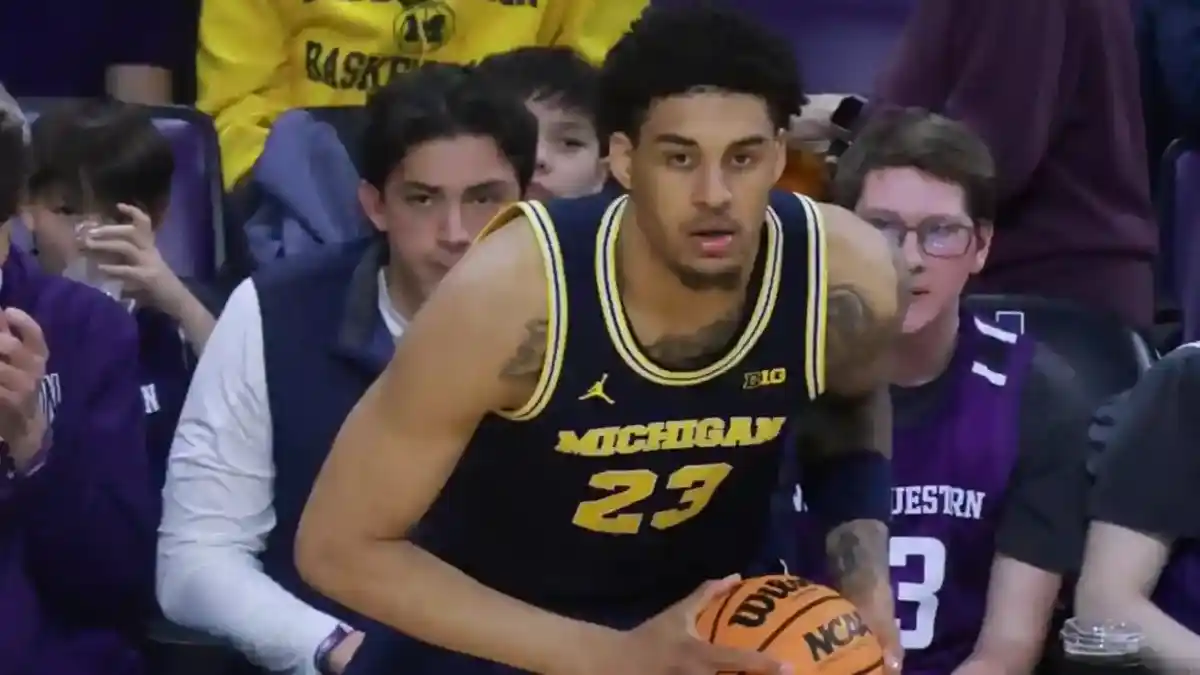
Jude Bellingham appeared to strike Argentina substitute Valentín Barco on the back of the head seconds after England's 2–1 World Cup semi-final defeat in Atlanta on 15 July 2026. As of 16 July, FIFA had not publicly announced any charge, investigation, or sanction against the Real Madrid midfielder.
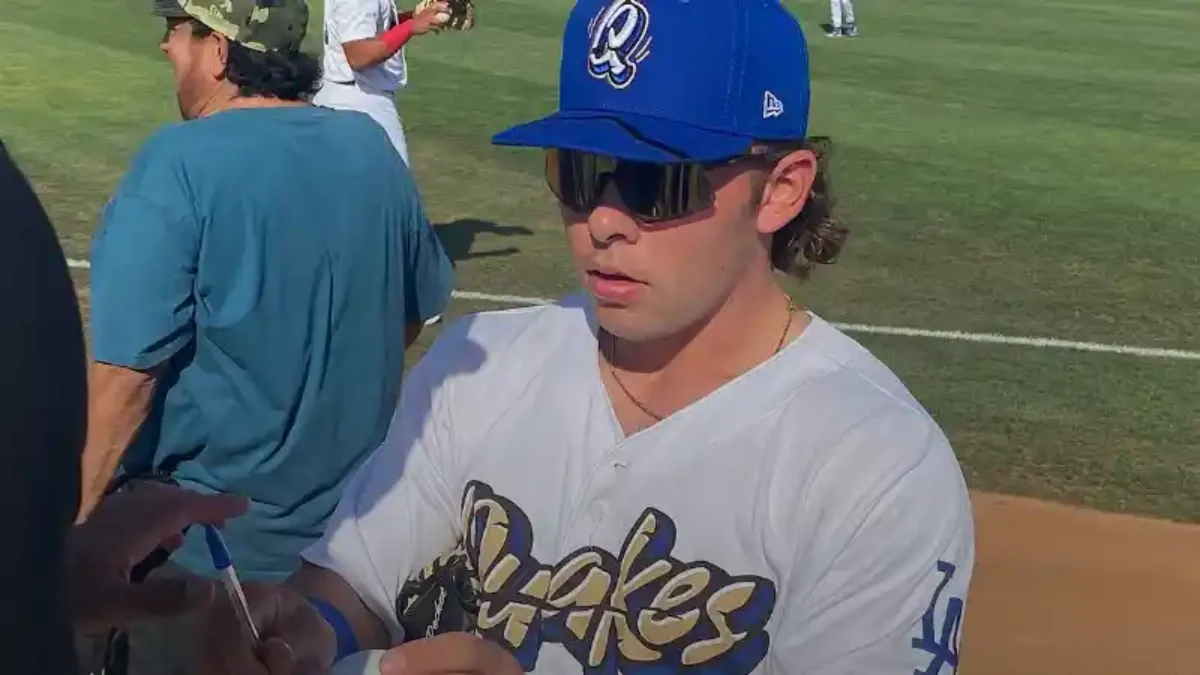
Footage circulated by talkSPORT and NDTV shows Bellingham walking toward a group of celebrating Argentina players and making hand contact with Barco's head. Barco, an unused substitute in the semi-final, pushed back. Players from both sides moved in and separated the pair before the confrontation went further.
What the Footage Does and Does Not Establish
The contact appears in multiple camera angles, including footage cited by Fox Sports and Spanish outlet Diario AS. What cannot be determined from video alone is the force applied, the words exchanged beforehand, or Bellingham's precise intent.
Separate footage reportedly shows Barco celebrating near the England dugout area after Argentina equalised through Enzo Fernández in the 85th minute. Paul Robinson, the former England goalkeeper, was quoted by BBC Radio 5 Live as calling it perhaps the worst act of sportsmanship seen at this World Cup. Whether that celebration directly preceded Bellingham's reaction is unverified, footage establishes a sequence, not a proven cause.
Barco, 21, plays for Strasbourg and is a former Brighton player. Brighton confirmed his permanent move to Strasbourg in July 2025. He played one tournament match before the semi-final, entering as a 71st-minute substitute in Argentina's 3–1 group-stage win over Jordan on 27 June at AT&T Stadium in Arlington, Texas, confirmed by FIFA's official match report.
The Match That Preceded It
England reached the semi-final after beating DR Congo, Mexico, and Norway in the knockout rounds. Thomas Tuchel's side entered as genuine contenders, with Bellingham and Harry Kane each having scored six goals before kick-off on 15 July, according to AP's live match report.
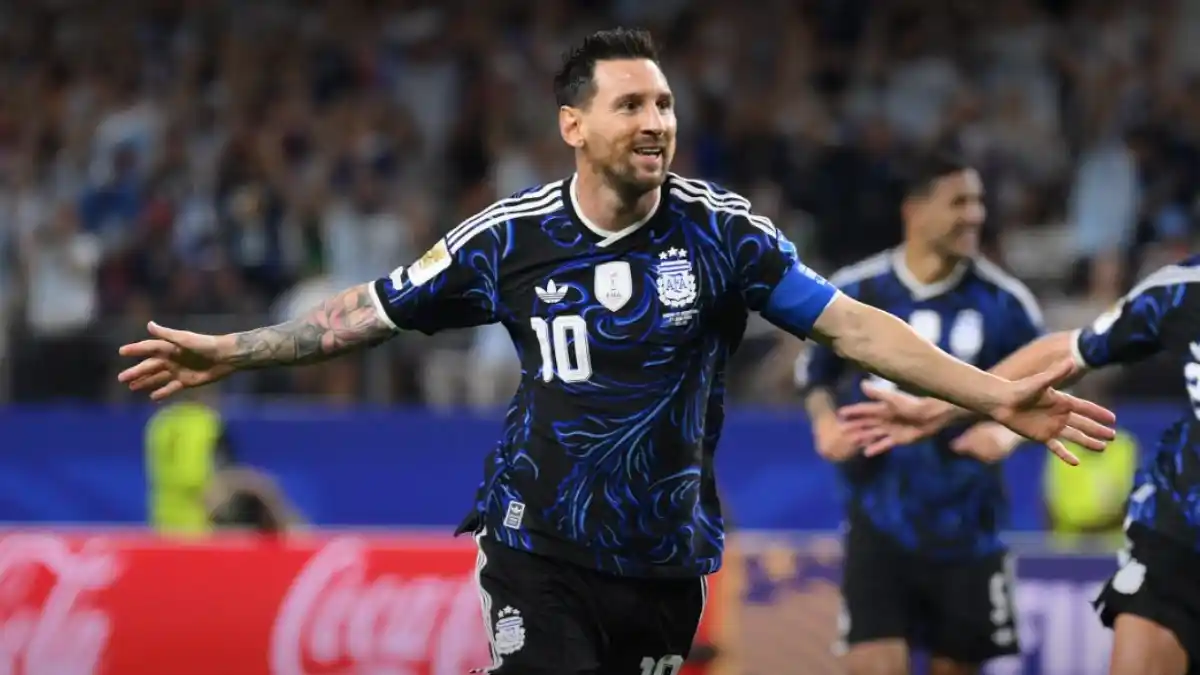
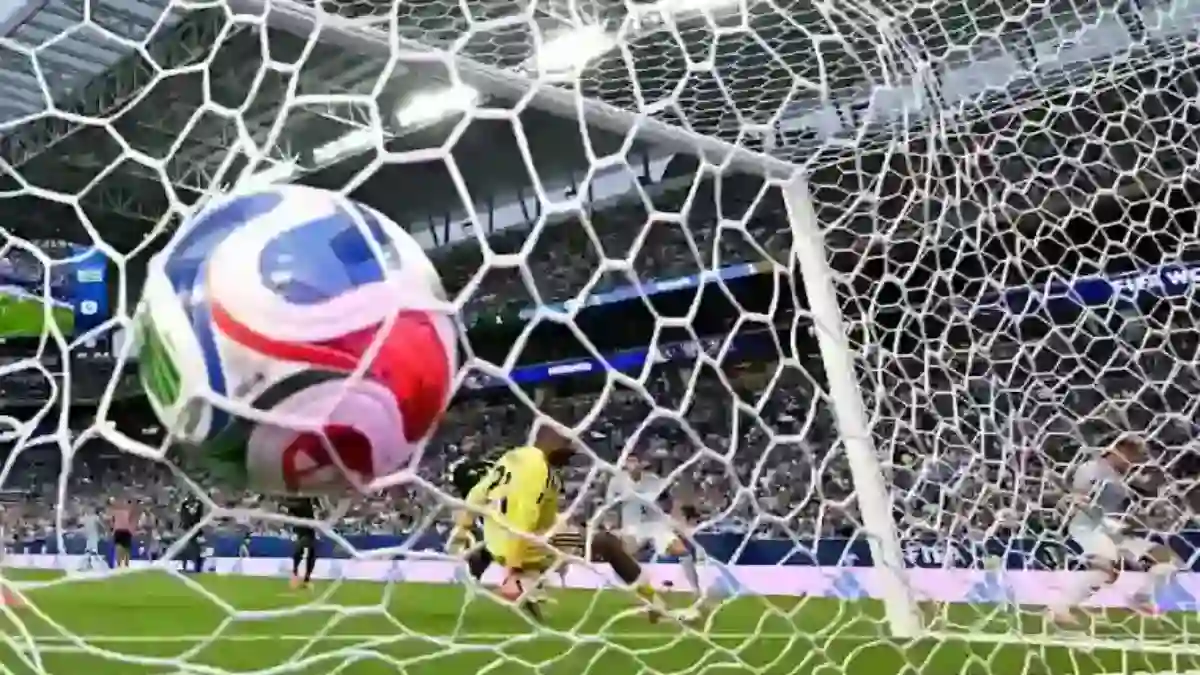
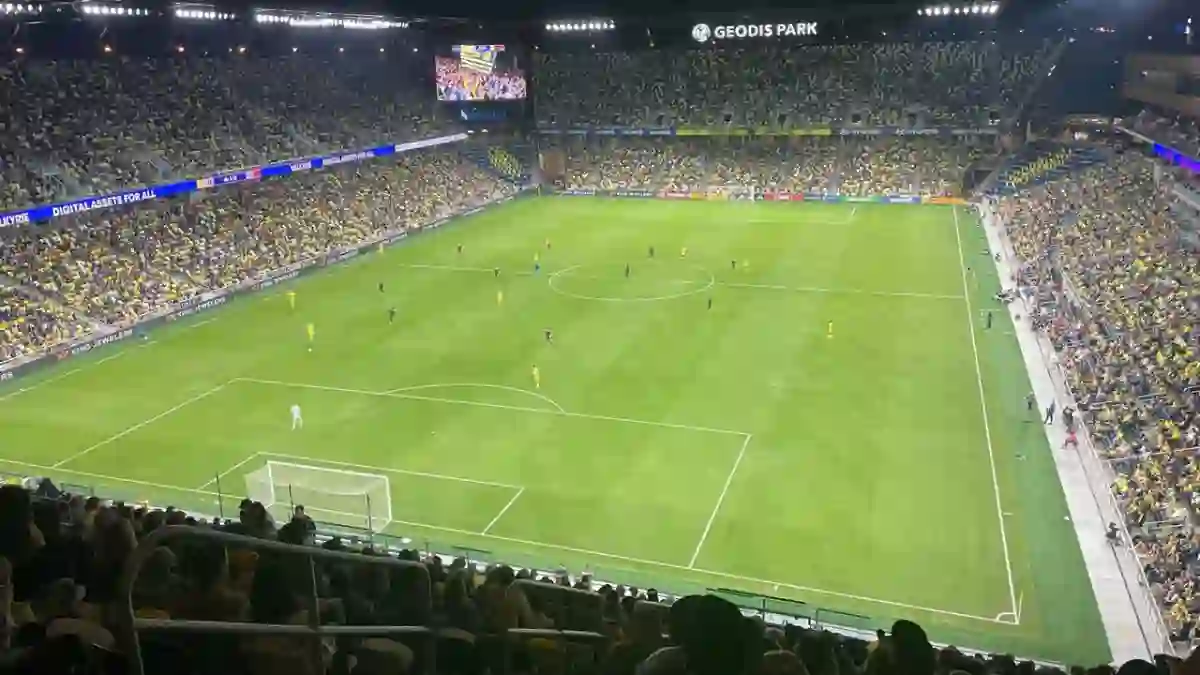
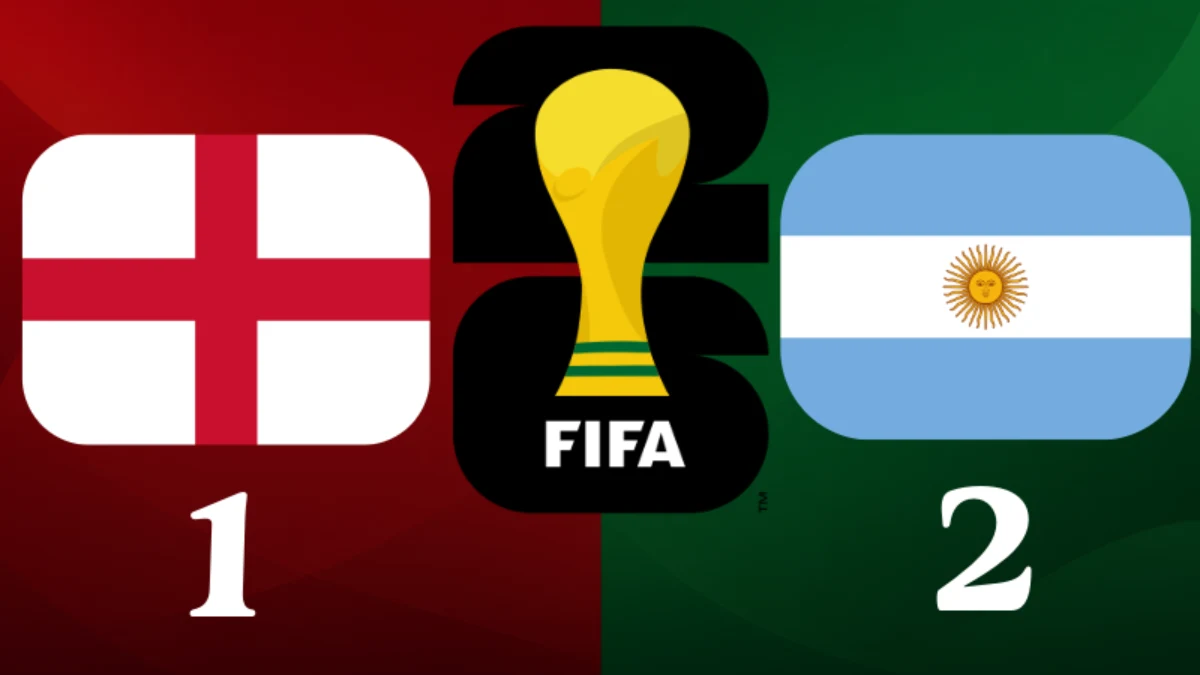
Anthony Gordon put England ahead in the 55th minute at Atlanta Stadium. The first half alone produced 19 fouls, two yellow cards, and no shots on goal, all three figures confirmed by AP's live data, and the physical edge never eased. Argentina equalised through Fernández in the 85th minute. Then Lautaro Martínez, on as a substitute, headed a Lionel Messi delivery into the net in the second minute of stoppage time. FIFA's official match report confirms the 2–1 final score, the Atlanta venue, and Messi's role in the winning goal.
Bellingham, 23, did not score in the semi-final. He left the pitch in tears.
What FIFA's Rules Actually Allow
The question is not whether the footage looks bad, but whether FIFA's Disciplinary Committee decides to open a formal review.
Under the FIFA Disciplinary Code 2025, the Committee has clear authority to act on serious incidents missed by match officials. Article 9.4 covers such situations explicitly. Article 55 permits proceedings to begin on FIFA's own initiative, no complaint is required. Article 56 assigns the Disciplinary Committee responsibility for serious infringements that referees did not see. Article 39 allows any type of evidence, including broadcast footage.
The sanction range depends entirely on how FIFA classifies the contact. Article 14.1(b) sets a minimum of one match for unsporting behaviour toward an opponent. Article 14.1(h) sets a minimum of three matches for violent conduct. Article 14.1(i) provides at least three matches or an equivalent period for assault, defined to include hitting an opponent. A single judge can impose up to five matches or three months, plus a fine of up to CHF 100,000.
One exception is worth flagging. Under IFAB Law 12, deliberately striking a person on the head or face with a hand when not challenging for the ball constitutes violent conduct, unless the force used was negligible. Whether this contact meets that negligible threshold is a factual assessment only a competent body, reviewing all the available evidence, can make. FIFA has not publicly stated which category, if any, it is considering.
Absence of Public Announcement Does Not Mean No Review
As of publication on 16 July, no FIFA opening notice, charge, provisional suspension, or decision naming Bellingham had appeared on FIFA's official legal documents page. That is meaningful, but not conclusive.
Article 34 of the FIFA Disciplinary Code states that the opening of proceedings and notified decisions may be made public, but parties to an investigation generally carry confidentiality obligations. A review could exist without any public announcement. No sanction has been confirmed, the rules clearly permit one. This article will be updated if FIFA makes any announcement before Saturday's fixture.
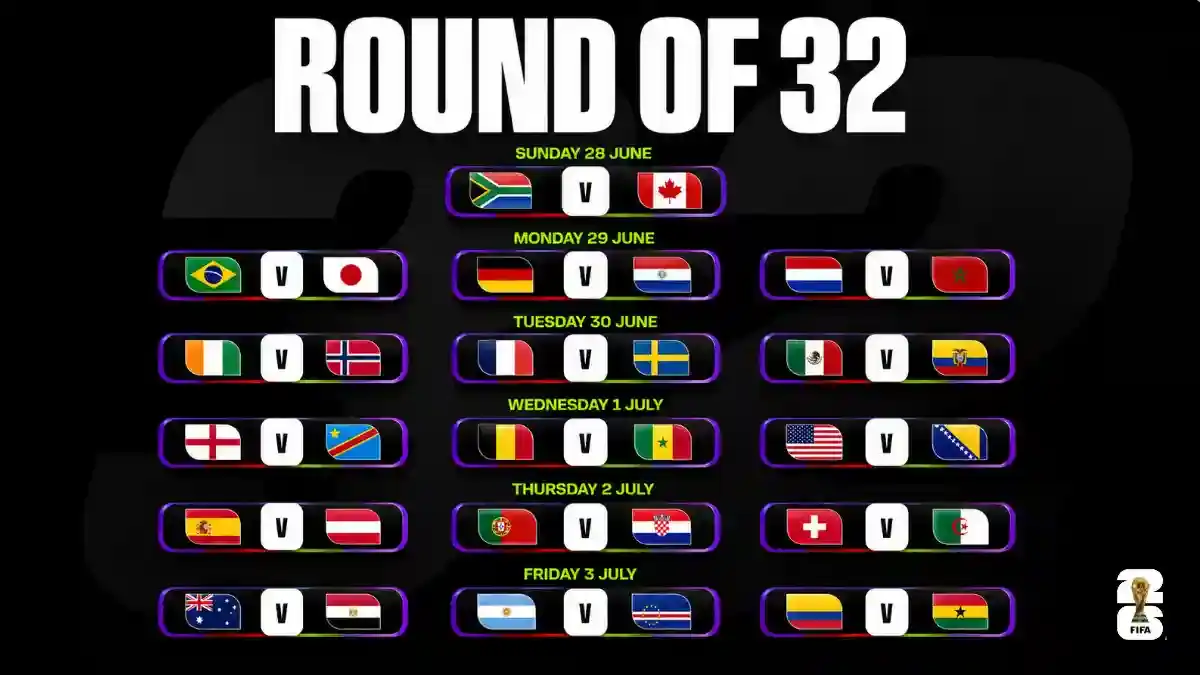
There is a precedent from earlier in this tournament. When USA forward Folarin Balogun was shown a red card in the Round of 32 match against Bosnia and Herzegovina on 1 July, FIFA opened disciplinary proceedings on 2 July, with a decision issued on 5 July, as detailed in the official FIFA Disciplinary Committee statement. The Bellingham incident involves post-match conduct rather than an on-field sending-off, which may affect the timeline. But the Balogun case shows FIFA's disciplinary process can move quickly when it decides to act.
What Is at Stake for England
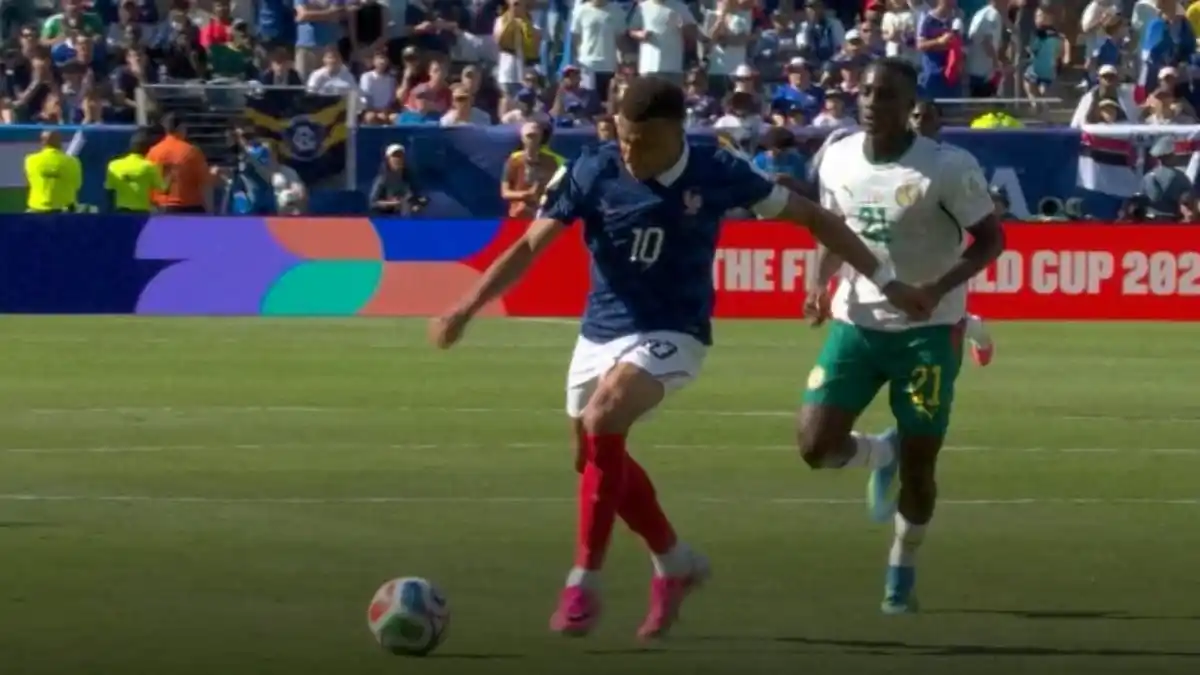
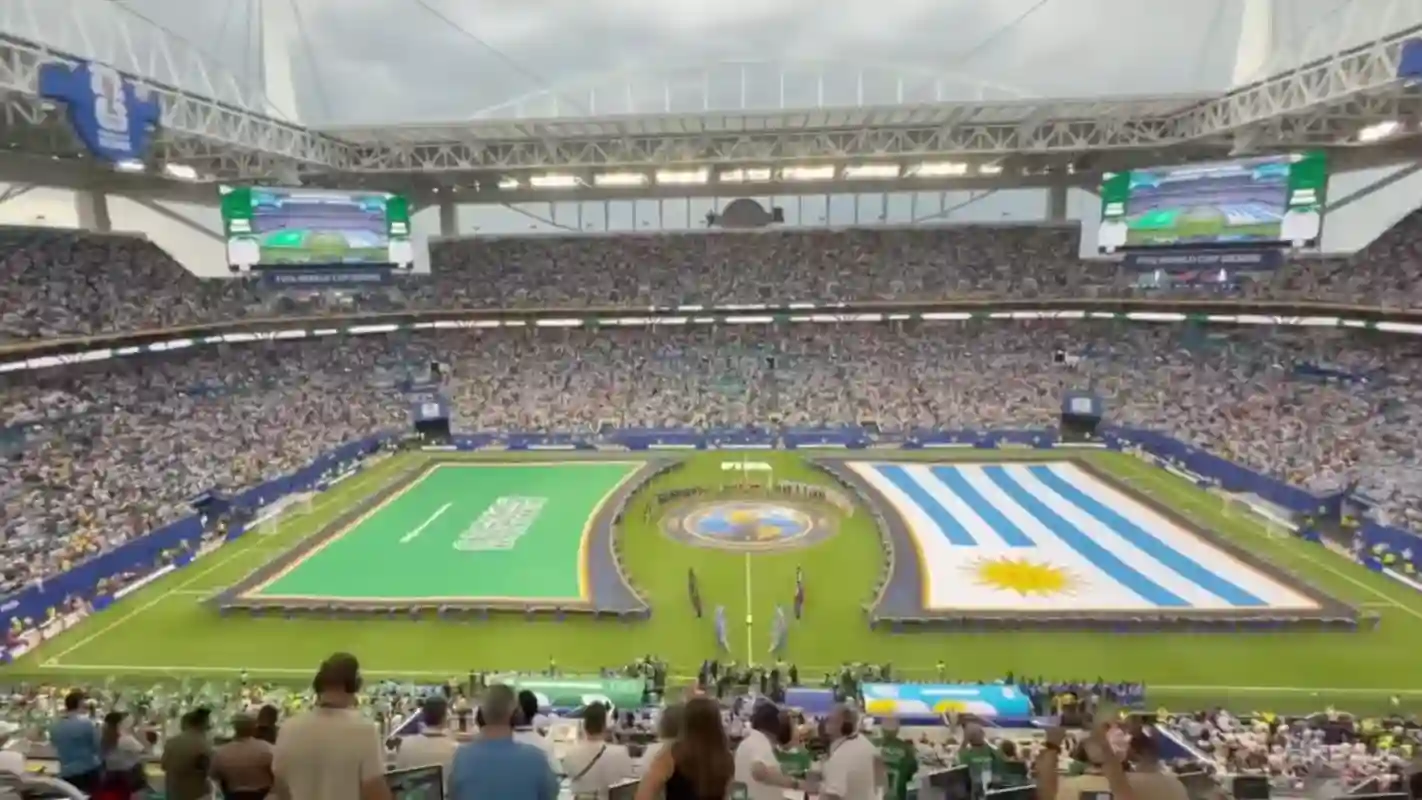
England face France in the third-place play-off at Miami Stadium on 18 July at 17:00 local time (22:00 BST), confirmed by England's official fixture announcement and the FIFA match schedule. Under Article 14.3 of the FIFA Disciplinary Code, only matches actually played by the relevant player's team count toward serving a suspension. A ban imposed before Saturday could therefore affect Bellingham's availability for that game directly.
A one-match ban under the unsporting behaviour category would mean he misses Miami. A three-match ban under violent conduct or assault, if it cannot be fully served during the tournament, would carry over to England's next official international fixture, not to club football, which operates under separate FIFA jurisdictional frameworks for domestic competitions.
England's tournament ends in Miami regardless of any disciplinary outcome. For Bellingham, the reputational question and the regulatory one now run in parallel.
- Jude Bellingham
- Valentín Barco
- FIFA World Cup 2026
- England
- Argentina
- FIFA Disciplinary Committee