Pittsburgh Pirates Trade Rumors End in Weaver Deal
Pittsburgh Pirates trade rumors ended with Luke Weaver’s 1.84 ERA arriving for Sammy Stafura, linking a bullpen fix to the 2025 Ke’Bryan Hayes trade deal.

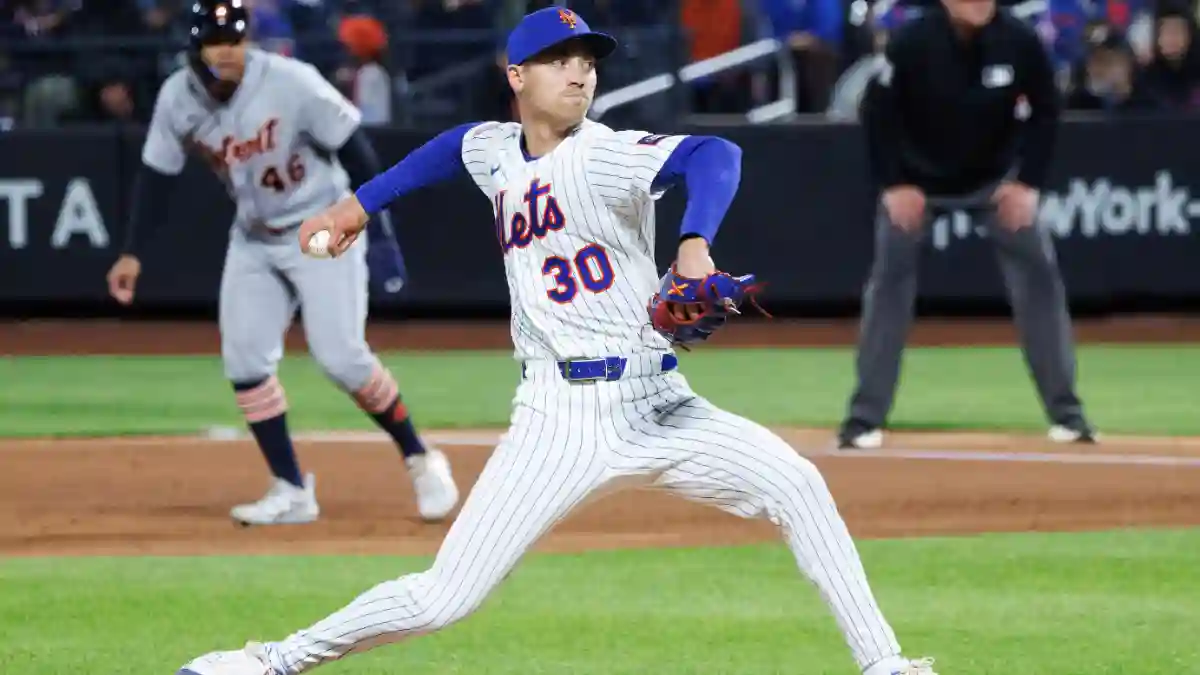
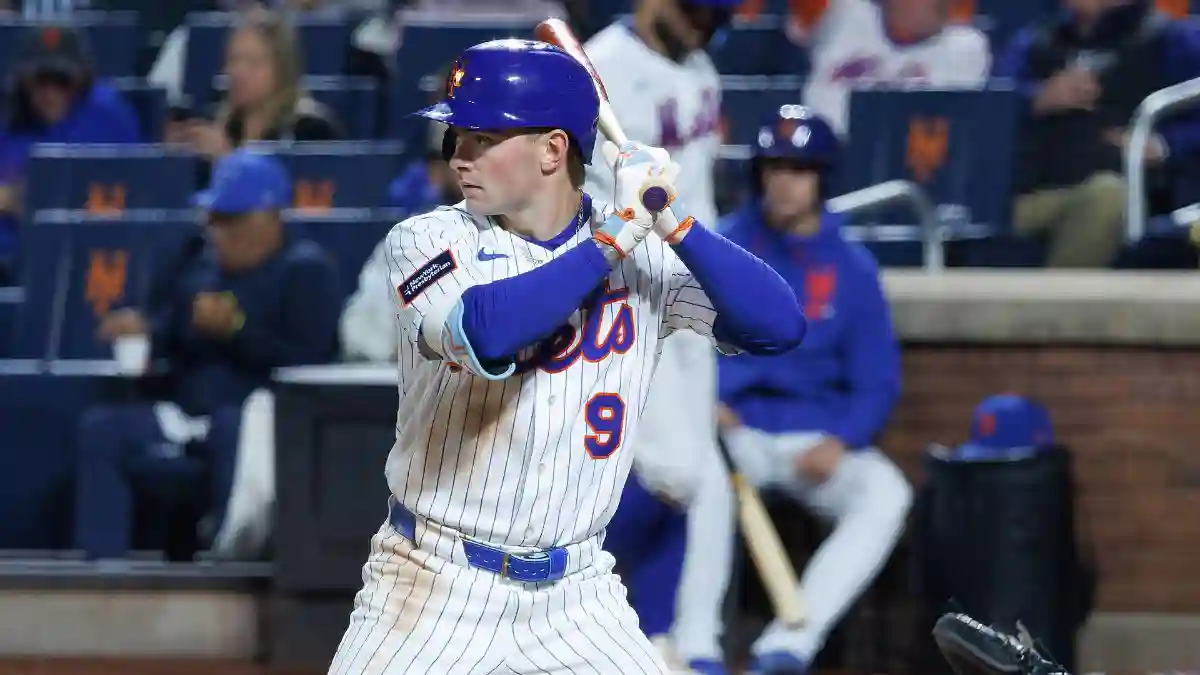
PITTSBURGH The Pittsburgh Pirates acquired right-hander Luke Weaver and cash from the New York Mets for shortstop prospect Sammy Stafura on Monday, August 3, 2026, adding one of New York’s most effective relievers while sending away a player whose value had risen sharply since Pittsburgh obtained him one year earlier.
Pirates turn Hayes-trade prospect into Luke Weaver
Stafura’s transaction history explains the price more clearly than a standard prospect ranking. Pittsburgh received him from Cincinnati in the Ke’Bryan Hayes trade on July 30, 2025, watched his power develop in 2026, and traded him 369 days later for immediate bullpen help.
That sequence connects two separate deadline decisions. The Pirates first converted a veteran third baseman into younger assets, then used one of those assets when the major-league club needed relief pitching. Weaver is therefore not only the return in a Mets trade. He is also the latest result of Pittsburgh’s decision to move Hayes the previous summer.
The Mets took the longer-term side of that exchange. They moved a 32-year-old reliever with another guaranteed season for a 21-year-old shortstop who had not yet reached Double-A. Pittsburgh chose present major-league value. New York chose development time.
Pirates acquire reliever with 1.84 ERA
Weaver joined Pittsburgh after posting a 2-1 record, a 1.84 ERA, 45 strikeouts, and a 0.82 WHIP across 44 innings and 42 appearances for the Mets. Those numbers came from his completed New York stint and are preserved on his official player record.
His final Mets stretch was stronger than the full-season line. The Pirates’ transaction announcement credited him with a 0.28 ERA over his final 30 appearances beginning May 1, when he allowed one earned run in 32 innings. The same announcement placed his 1.84 ERA sixth among major-league relievers with at least 44 innings at the time of the trade.
Weaver also brings experience in setup work, closing situations, and October games. He recorded four saves in 12 appearances during the Yankees’ 2024 postseason and did not allow a run in four World Series outings. That record gives Pittsburgh an experienced late-inning option without requiring the club to declare him its closer.
Weaver is under contract beyond the current race. He signed a two-year, $22 million agreement before the 2026 season, with one year and $12.5 million remaining after this year. The official trade terms also included cash from New York, although the clubs did not disclose the amount in their announcements. That missing figure matters when judging Pittsburgh’s total financial cost, but it does not change the baseball return: the Pirates acquired Weaver for the rest of 2026 and all of 2027.
Other clubs were considering different kinds of deadline commitments, including the Phillies’ reported interest in Taylor Ward as the deadline approached. Pittsburgh’s move was built around a reliever already performing at a high level and controlled for another season, not a two-month rental.
Stafura’s 20-20 season raised the price
Stafura’s 2026 production changed his value inside Pittsburgh’s system. His official minor-league statistics listed a .276 average, 20 home runs, 54 RBI, 20 stolen bases, and a .960 OPS in 221 at-bats at the time of the trade.
The home-run total is the clearest change from his earlier professional record. Stafura entered the season known primarily for his speed and middle-infield profile. Reaching 20 homers while also stealing 20 bases gave Pittsburgh a prospect attractive enough to acquire a major-league reliever with 2027 control.
The ranking reflected that rise. The trade announcement listed Stafura as Pittsburgh’s No. 9 prospect before the deal and New York’s No. 10 prospect afterward. A ranking cannot establish whether he will become a major-league regular, but it shows that the Mets received recognized prospect value rather than an unranked organizational player.
His season also included injury risk. Stafura returned from a partially torn ulnar collateral ligament in January and from a hamstring injury in May before producing the strongest offensive stretch of his professional career. The Mets acquired both sides of that record: a power-speed breakout and the uncertainty attached to a player who has yet to face upper-minors pitching.
His .791 career minor-league OPS provides another useful check. The .960 mark in 2026 was a substantial jump from his broader record, making his next level a real test of whether the new power can hold against more advanced pitching.
Stafura’s path runs through Reds, Pirates, Mets
Cincinnati selected Stafura with the 43rd overall pick in the second round of the 2023 draft. The Reds then sent him to Pittsburgh with left-hander Taylor Rogers and cash for Hayes on July 30, 2025.
The Pirates’ use of Stafura one deadline later gives the Weaver trade a cost basis that can be traced. Pittsburgh did not surrender a prospect it had developed from the draft. It traded a player acquired in a previous major-league deal after his performance improved enough to purchase present help.
That distinction matters to both front offices. Pittsburgh captured the rise in Stafura’s value without waiting to learn whether he could reach the majors. New York accepted that development risk because a 21-year-old shortstop offers a longer competitive window than a veteran reliever.
The trade also sends Stafura near home. He was born in Cortlandt, New York, attended Walter Panas High School in Cortlandt Manor, and grew up following the Mets. His official transaction record shows that New York assigned him to the High-A Brooklyn Cyclones on August 3.
The local connection does not shorten his path to the majors. It does give the transaction a personal detail that is unusual for a prospect traded twice before reaching Double-A: Stafura now joins the organization he followed as a young player, after Cincinnati drafted him and Pittsburgh used his breakout season to acquire Weaver.
Pirates add Weaver after Doval trade
Weaver was Pittsburgh’s second experienced right-handed bullpen addition in three days. On August 1, the Pirates acquired Camilo Doval from the Yankees for catcher Omar Alfonzo and outfielder Luis Cruz.
The two relievers give Pittsburgh different late-inning looks. Doval’s value is tied to velocity, a slider that misses bats, a high ground-ball rate, and previous closing experience. Weaver arrives with a lower 2026 ERA, a fastball-changeup-cutter mix, and a recent run in which he allowed one earned run over 32 innings.
Pittsburgh’s willingness to trade three prospects for Doval and Weaver over the same weekend shows that the bullpen was not being treated as a problem for internal shuffling alone. The club used prospect capital twice, first for Doval and then for a reliever with another year of control.
The Pirates have not announced Weaver as the closer. Gregory Soto and Mason Montgomery had already been used in late-inning spots, while Doval brought extensive ninth-inning experience. Adding Weaver gives the club another right-handed option when matchups, rest, or workload concerns make one fixed closer less useful.
The bullpen strategy also clarifies why Stafura was available. Pittsburgh did not trade him for depth at a position it already covered. It traded a rising prospect to address a specific major-league weakness, then paired that move with the Doval acquisition to create more options at the end of games.
Mets trade Weaver for a longer-term prospect
The Mets’ return will take longer to judge. Weaver’s 2026 production is already clear, while Stafura’s value depends on how his contact, power, health, and defense translate beyond High-A.
New York nevertheless chose the prospect return. The decision fits a wider deadline selloff in which the club moved current major-league players for younger talent. Weaver’s additional year of control made him more valuable than an expiring reliever, helping the Mets obtain a ranked shortstop rather than a lower-level speculative arm.
The trade does not remove risk from either side. Pittsburgh gave up a 21-year-old with a 20-homer, 20-steal season before seeing whether the breakout would continue. New York surrendered a reliever with a 1.84 ERA and 2027 control for a player whose strongest season remains concentrated in the lower minors.
The 369-day chain from Hayes to Stafura to Weaver is the part of the deal that a transaction line alone misses. Pittsburgh turned one piece of a 2025 veteran trade into a 2026 bullpen addition. The Mets accepted that same piece as a longer-term bet, assigning Stafura to Brooklyn while the Pirates prepared Weaver for immediate major-league work.
- Pittsburgh Pirates trade rumors
- Luke Weaver
- Sammy Stafura
- Pittsburgh Pirates
- New York Mets
- MLB trade deadline