Morocco Is MAR Under an International ISO Standard
Morocco is abbreviated MAR under the ISO 3166-1 alpha-3 standard, the same identifier FIFA and the Olympic movement use for the country at the World Cup.

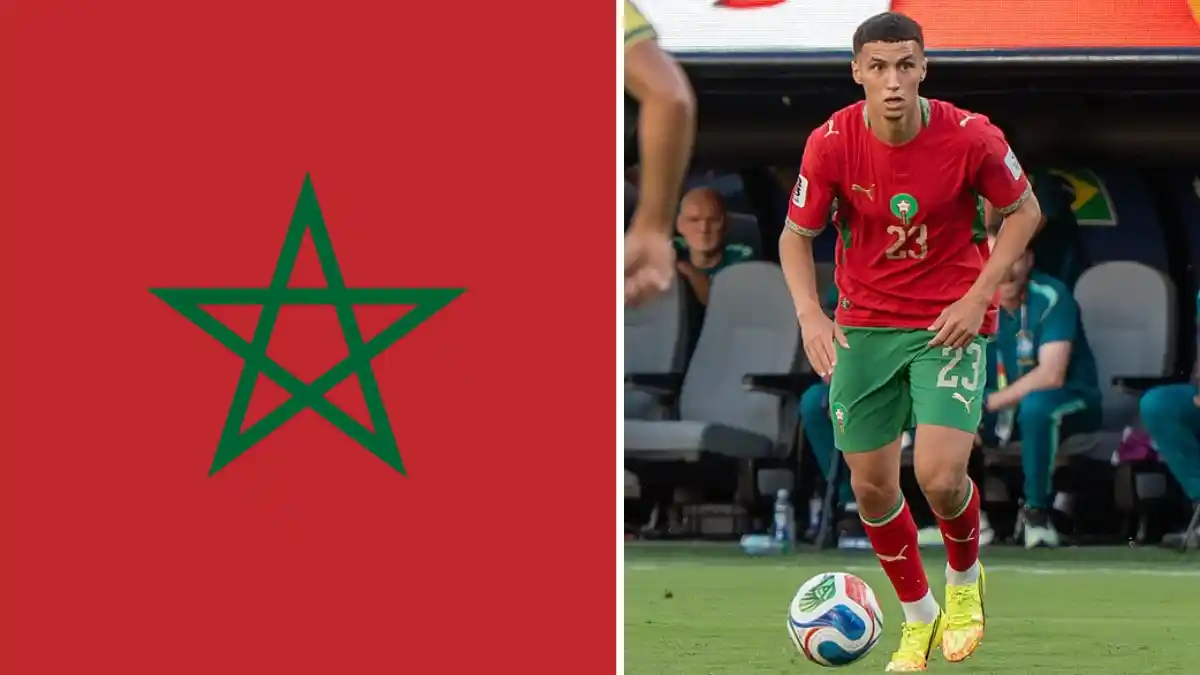
Morocco is abbreviated MAR on FIFA scoreboards and federation websites because that three-letter sequence is the country's ISO 3166-1 alpha-3 code, the international standard the International Organization for Standardization assigns to every country. The code sits alongside Morocco's two-letter designation, MA, and its numeric code, 504, inside the same ISO framework.
The connection between MAR and Morocco's French name, Maroc, is real. The letters echo each other, and the French-language version of the ISO database lists the country as MAROC. But no ISO, FIFA, or Olympic source documents this as a deliberate naming choice. The safer, sourced explanation is simpler: MAR is the standardized code, and it happens to resemble the French name.
Morocco's ISO Code and How FIFA Uses It
The International Organization for Standardization assigns a unique three-letter alpha-3 code to every country as part of ISO 3166-1. Morocco's entry has carried MAR for decades, alongside MA at the two-letter level and 504 in the numeric system used by United Nations statistical bodies.
The Royal Moroccan Football Federation appears on FIFA's site under the same MAR identifier, on both its association page and its world ranking page. For Morocco specifically, FIFA's code and the ISO code match.
That is not true everywhere. FIFA assigns its own three-letter codes to member football associations, and in most cases those line up with ISO codes, but not always. FIFA gives separate codes, ENG, SCO, WAL, and NIR, to England, Scotland, Wales, and Northern Ireland, while the ISO 3166-1 standard recognizes only one code, GBR, for the United Kingdom as a whole, according to Wikipedia's documented list of FIFA country codes. Morocco's case is straightforward. The United Kingdom's is not.
The Olympic movement also uses MAR for Morocco, as shown on the official Olympics site. Here too, Morocco's case is a clean match. It is not universal. The International Olympic Committee uses GER for Germany, while the ISO alpha-3 code for Germany is DEU, taken from the German name Deutschland. So while Morocco's code lines up cleanly across ISO, FIFA, and Olympic systems, that alignment is not a documented rule those organizations follow for every country.
Morocco's Official Languages
Article 5 of Morocco's 2011 Constitution names two official languages: Arabic and Tamazight, also known as Amazigh.
French does not appear in that constitutional list. It remains heavily used in business, higher education, and government administration, a legacy of the French protectorate era that ran from 1912 to 1956. Spain administered separate northern and southern zones during the same period.
Morocco sits in the Maghreb region of North Africa, with both an Atlantic coastline and a Mediterranean one. Several small Spanish-administered territories, including Ceuta and Melilla, lie along its northern coast.
Morocco's Group Stage and the Round of 32 Tie
Morocco finished second in Group C at the FIFA World Cup 2026, behind Brazil on goal difference. Morocco drew with Brazil 1-1, beat Scotland 1-0, and beat Haiti 4-2, taking seven points from three matches without a defeat.
Match | Result | Key detail |
|---|---|---|
Morocco vs Brazil | 1-1 | Ismael Saibari scored Morocco's goal |
Morocco vs Scotland | 1-0 | Saibari scored after 71 seconds |
Morocco vs Haiti | 4-2 | Morocco finished group stage unbeaten |
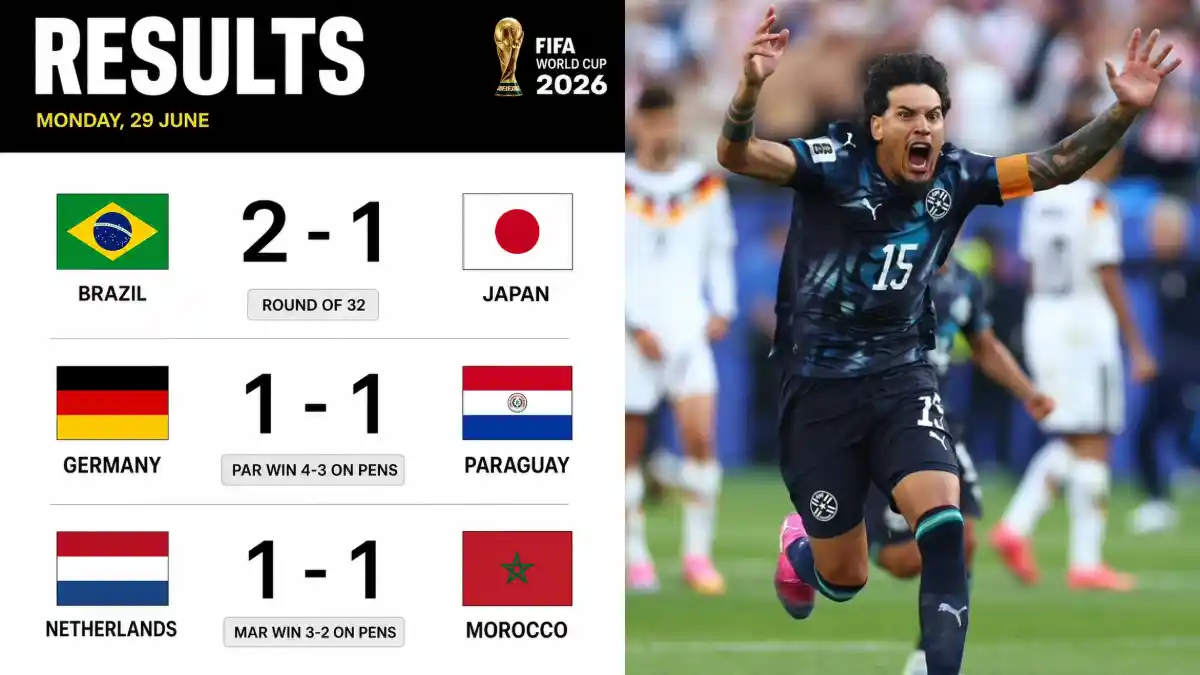
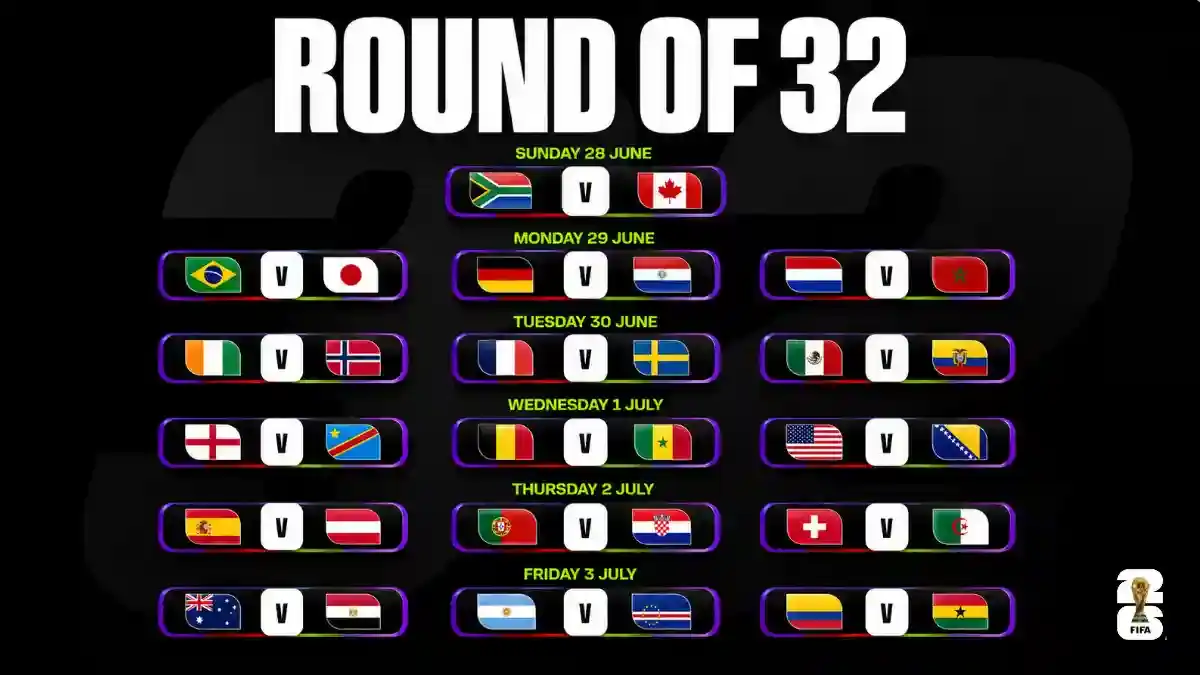
That run carried Morocco into a Round of 32 tie against the Netherlands, reviving a fixture last played at the 1994 World Cup. Heading into the match, the FIFA ranking update of 11 June 2026 placed Morocco sixth in the world, one spot above the Netherlands at seventh.
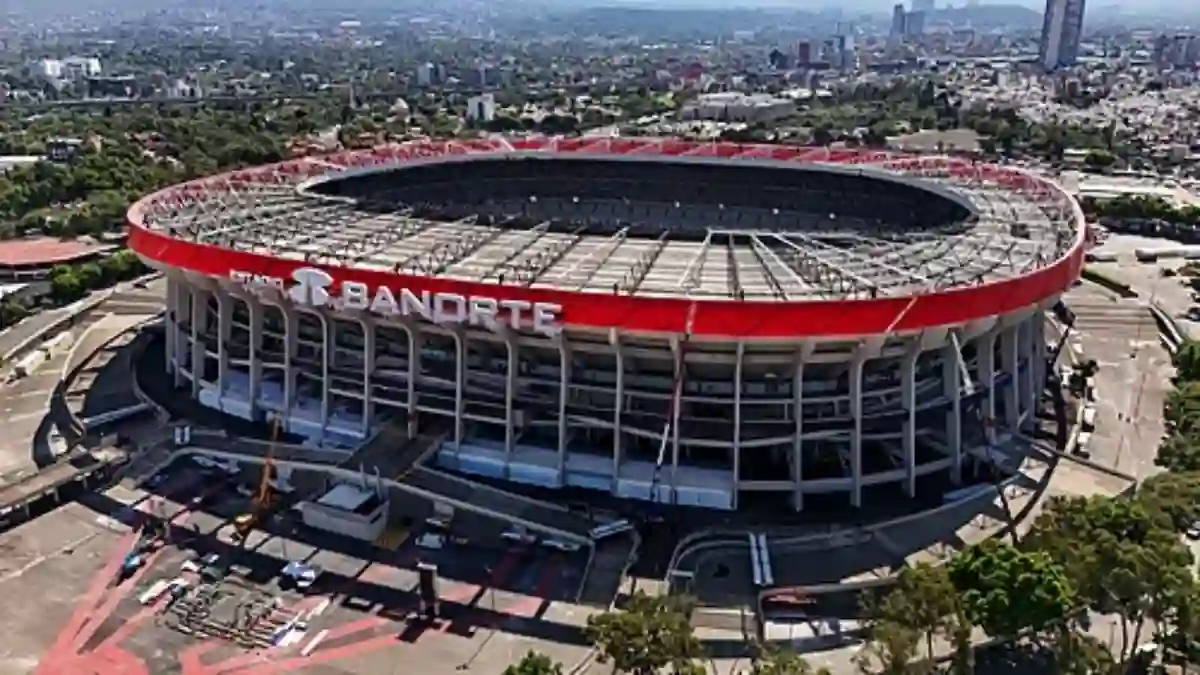
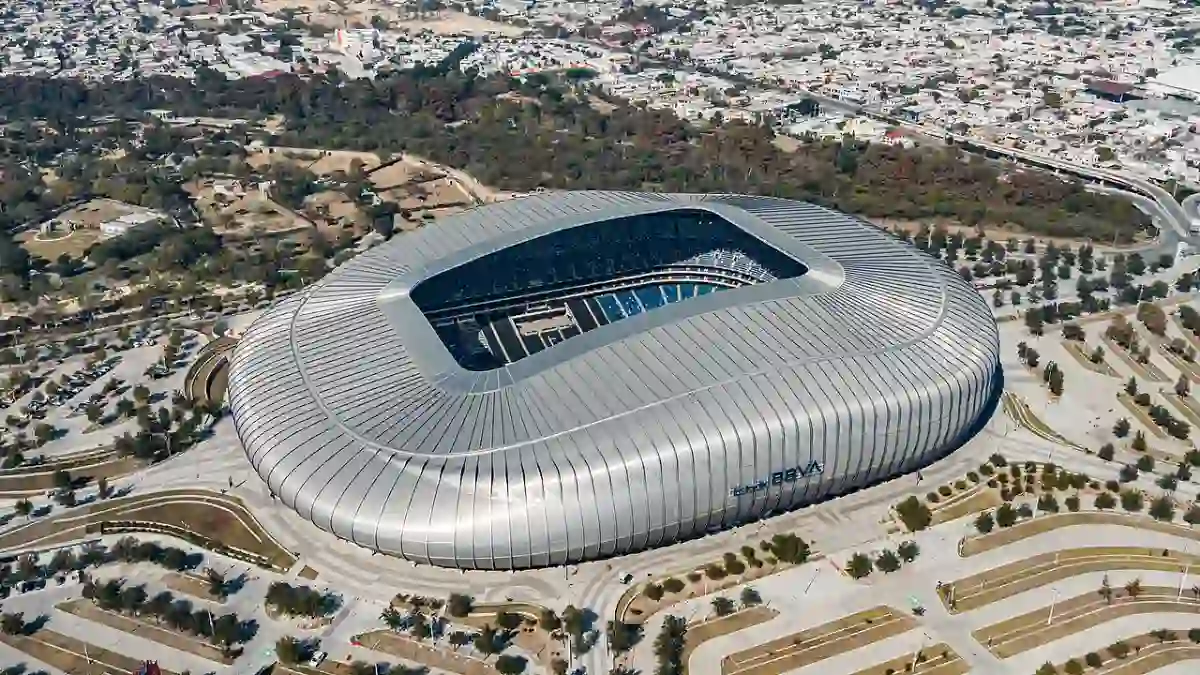
Cody Gakpo put the Netherlands ahead in the 72nd minute at Monterrey Stadium, known commonly as Estadio BBVA, in Guadalupe, Nuevo León. Morocco's Issa Diop headed in an equalizer in stoppage time, sending the match to extra time at 1-1, with the winner set to face Canada in Houston on 4 July.
Achraf Hakimi and Morocco's Attack
Hakimi, a Paris Saint-Germain right-back and Morocco's captain, was one of the team's central figures against the Dutch. PSG's own profile confirms he was born in Madrid to Moroccan parents.
In the run-up to the match, Morocco's coach, Mohamed Ouahbi, told reporters that the knockout stage would demand a different approach than the group games had. "Tomorrow's match is different and requires different solutions. That is the mentality with which we will enter the game," he said, as reported by Al Jazeera.
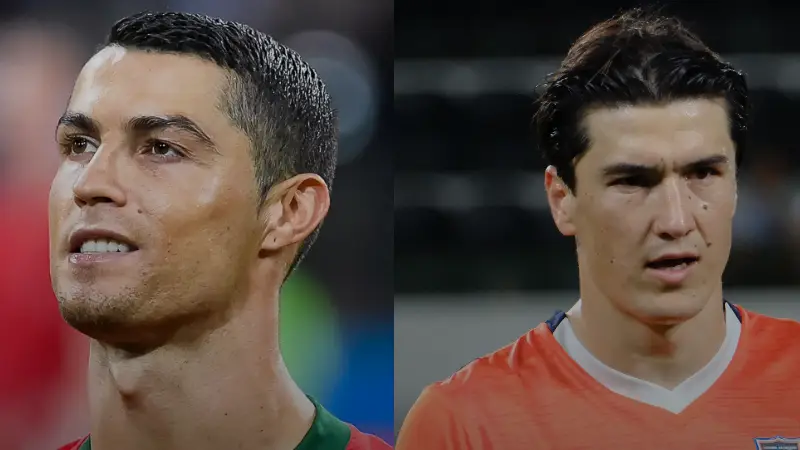
Ismael Saibari, born in Spain and raised largely in Belgium according to PSV's biographical announcement, finished the group stage with three goals, level with Brian Brobbey's group-stage tally for the Netherlands.
Why MAR Has Not Changed
Morocco's ISO code is not specific to football. The same MAR designation appears in United Nations statistical tables alongside the alpha-2 code MA and numeric code 504, under the same ISO 3166-1 system used across UN reporting.
Banking identifiers work differently. SWIFT's Business Identifier Code standard, ISO 9362, builds its country component from the two-letter alpha-2 code, not the three-letter alpha-3 code, meaning Moroccan bank codes carry MA rather than MAR, according to SWIFT's own BIC documentation.
Morocco's growing football profile, since reaching the 2022 World Cup semifinal as the first African and first Arab nation to do so, has not required any change to the underlying ISO designation. The code is a fixed administrative identifier, set by a standards body, not adjusted by tournament results.
- why is morocco mar
- morocco mar
- hakimi morocco
- netherlands vs morocco
- morocco world cup
- what language does morocco speak