Kevin Keegan Dies Aged 75 After Stage-Four Cancer Diagnosis
Kevin Keegan died aged 75 on 20 July 2026 after battling stage-four stomach cancer. The two-time Ballon d'Or winner revealed his diagnosis in June at a public Newcastle event.
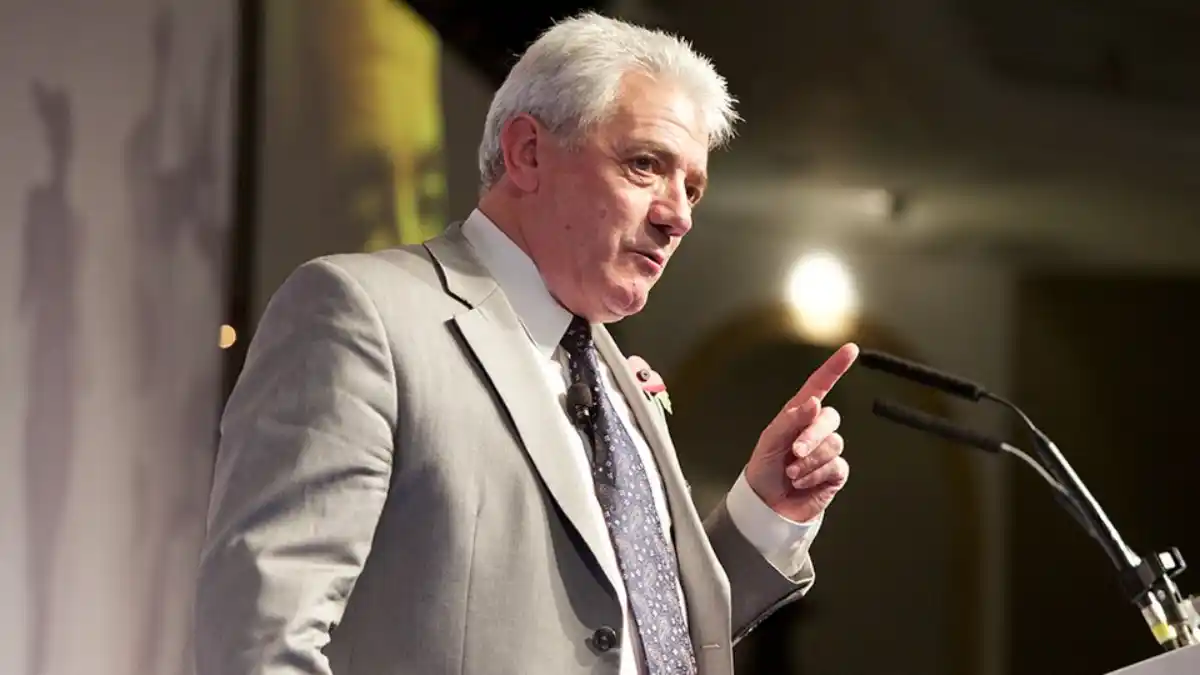
Kevin Keegan, the former England captain and two-time Ballon d'Or winner who became one of football's most recognisable figures across four decades, died on Monday 20 July 2026 at the age of 75 after battling stage-four stomach cancer. His family announced the news, confirming that he passed away surrounded by his wife, Jean, and his daughters.
The family's statement read: "It is with immense sadness that we announce that Kevin Keegan has passed away at the age of 75. The former England player and manager had been battling cancer and was surrounded by his wife and daughters in his final moments. Kevin, a double Ballon d'Or winner, was a much-loved husband, father and grandfather. The family are requesting space and privacy."
The Diagnosis: From Abdominal Symptoms to Stage Four
The first public confirmation came in January 2026. A statement released by Newcastle United the club with which Keegan's identity was most tightly bound revealed he had been admitted to hospital following ongoing abdominal symptoms. Investigations confirmed a cancer diagnosis, and he was due to begin treatment. At that point, neither the type nor the stage of the cancer was named publicly.
On the evening of 31 May 2026, Keegan appeared before a crowd at the Tyne Theatre and Opera House in Newcastle for a live public event his first appearance since the January announcement. He spoke with characteristic directness. According to reports from Sky Sports, Keegan told the audience: "They said we have a top doctor with a new way of fighting what you have got, which is stage four (stomach) cancer. He was a Liverpool supporter and I went to meet him. I knew I wouldn't be walking alone, if you know what I mean."
He recounted asking the specialist about the treatment's success rate. The doctor's answer thirty-three per cent did not stop Keegan from proceeding. "Oh, I thought he might say eighty, maybe ninety. Anyway, I'm still here at the moment," he said to a crowd that received the words in stunned silence before applause.
He added that the cancer had been discovered through a scan taken following a car accident. The scan, initially routine, led doctors to the stomach cancer diagnosis.
Fifty days later, he was gone.
Liverpool: The Foundation of a Career
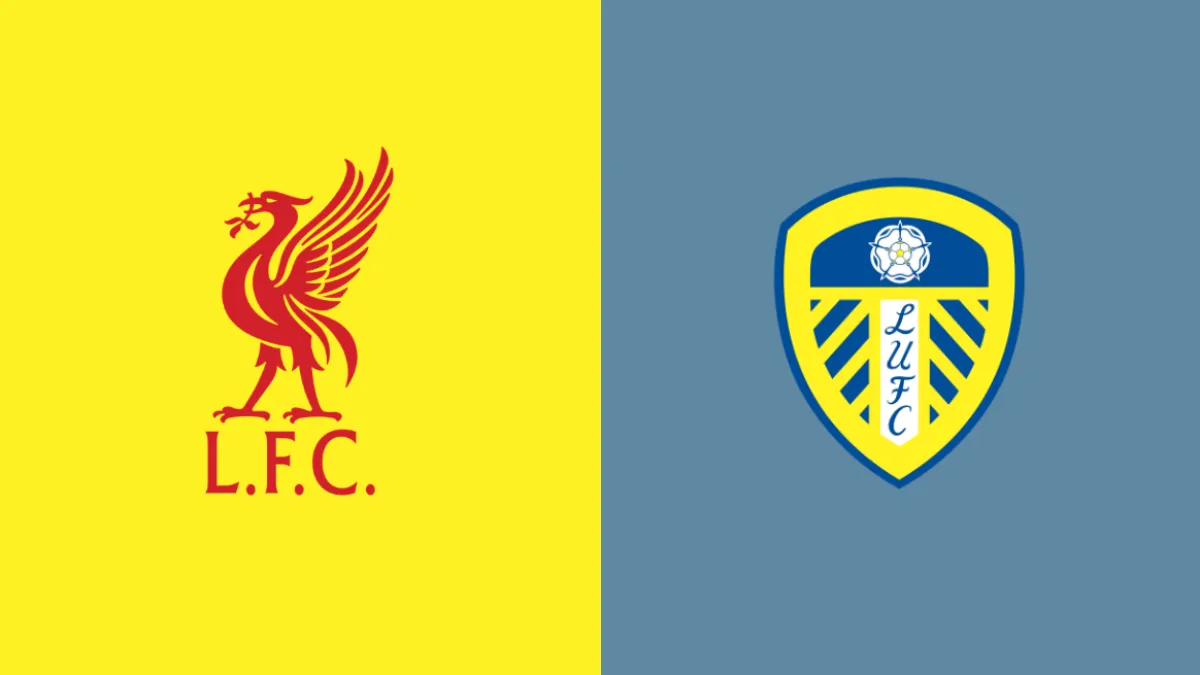
Keegan joined Liverpool from Scunthorpe United in 1971, after Bill Shankly signed him for £35,000. Shankly called it "robbery with violence." Over 323 appearances at Anfield, Keegan scored 100 goals a return that placed him among the club's most productive forwards. Liverpool's official records confirm he won three First Division titles, two UEFA Cups, the FA Cup, and the European Cup during his six years at the club. He left in 1977 for Hamburg, a move that surprised English football at the time.
At Hamburger SV, Keegan won the Bundesliga and reached the European Cup final. He also claimed back-to-back Ballon d'Or awards the prize given by France Football to Europe's best player in both 1978 and 1979, the only English player to win the award in consecutive years. His years in Germany established him as a figure of genuine European stature.
He returned to England via Southampton and then joined Newcastle in 1982. In 85 appearances as a player for the club, he helped them win promotion from the Second Division before retiring in 1984 at the age of 33.
"King Kev": What Newcastle Meant to Keegan, and Keegan to Newcastle
No chapter in Keegan's story drew a stronger reaction from English football supporters than his return to Newcastle as manager in 1992. He inherited a club that had narrowly avoided relegation to the third tier and transformed it into one of the most-talked-about sides in European football within four years signing the likes of Peter Beardsley, Andy Cole, David Ginola, and Les Ferdinand, and playing a brand of attacking football that routinely pulled over 36,000 to St James' Park.
Newcastle won promotion from the First Division in 1993, their first full season under Keegan's management. By 1995–96, they were leading the Premier League by twelve points over Manchester United. The collapse that followed they finished second, four points behind United produced one of the most memorable moments in English football broadcasting history. Responding to comments from Sir Alex Ferguson, Keegan delivered an impassioned live television address that became known simply as "I would love it if we beat them, love it." His Newcastle side never overhauled United that season.
Newcastle United's official statement on Keegan's death described him as "more than a legendary footballer and manager" and "the beating heart of Newcastle United for generations of supporters."
His second managerial spell at St James' Park, in 2008, lasted eight months.
England Career and Management
Keegan earned 63 caps for England and scored 21 goals, captaining the national team during a period when English football had limited success at major tournaments. He appeared at the 1982 World Cup in Spain, though a back injury restricted his contribution to a late substitute appearance in the final group match against the host nation.
After finishing at Newcastle in 1997, he moved to Fulham first as chief operating officer and then as manager leading them to promotion from the old Second Division in 1998–99. He was appointed England manager in February 1999. His reign lasted until October 2000, when England lost a World Cup qualifier to Germany at Wembley the final match played at the old stadium before demolition. Keegan resigned in the dressing room immediately after the final whistle.
He led Manchester City to promotion from Division One in 2001–02, his final significant achievement in management.
What Stage-Four Stomach Cancer Means
Stomach cancer at stage four has spread beyond the stomach itself to distant organs or lymph nodes. The National Cancer Institute reports an overall five-year relative survival rate for stomach cancer of approximately 36 per cent, though this figure encompasses all stages. For stage four specifically, survival rates are significantly lower which gives context to the thirty-three per cent figure Keegan said his specialist had quoted him at the Tyne Theatre in May.
Cancer Research UK notes that around 6,800 stomach cancer cases are projected annually in the United Kingdom, making it the 16th most common cause of cancer death. Symptoms that commonly lead to diagnosis include persistent indigestion, swallowing difficulties, unexplained weight loss, and pain in the upper abdomen consistent with the "ongoing abdominal symptoms" described in Keegan's January family statement.
The Career in Numbers
Stat | Detail |
|---|---|
Liverpool appearances | 323 |
Liverpool goals | 100 |
League titles at Liverpool | 3 |
European Cup wins | 1 |
UEFA Cup wins | 2 |
Ballon d'Or wins | 1978, 1979 |
England caps | 63 |
England goals | 21 |
Newcastle appearances (player) | 85 |
Liverpool FC, in a statement released on Monday, said they were "deeply saddened by the passing of the legendary Kevin Keegan." Tributes arrived from clubs, players, and supporters across England and Germany throughout the afternoon. Keegan's family have asked for privacy as they grieve.
- kevin keegan cancer
- kevin keegan cause of death
- kevin keegan death
- kevin keegan liverpool
- kevin keegan ballon d'or