July 4, 1776: What the US Celebrates on Independence Day
The US marks 250 years since the Continental Congress adopted the Declaration of Independence on July 4, 1776 here is what actually happened and why 2026 is different.

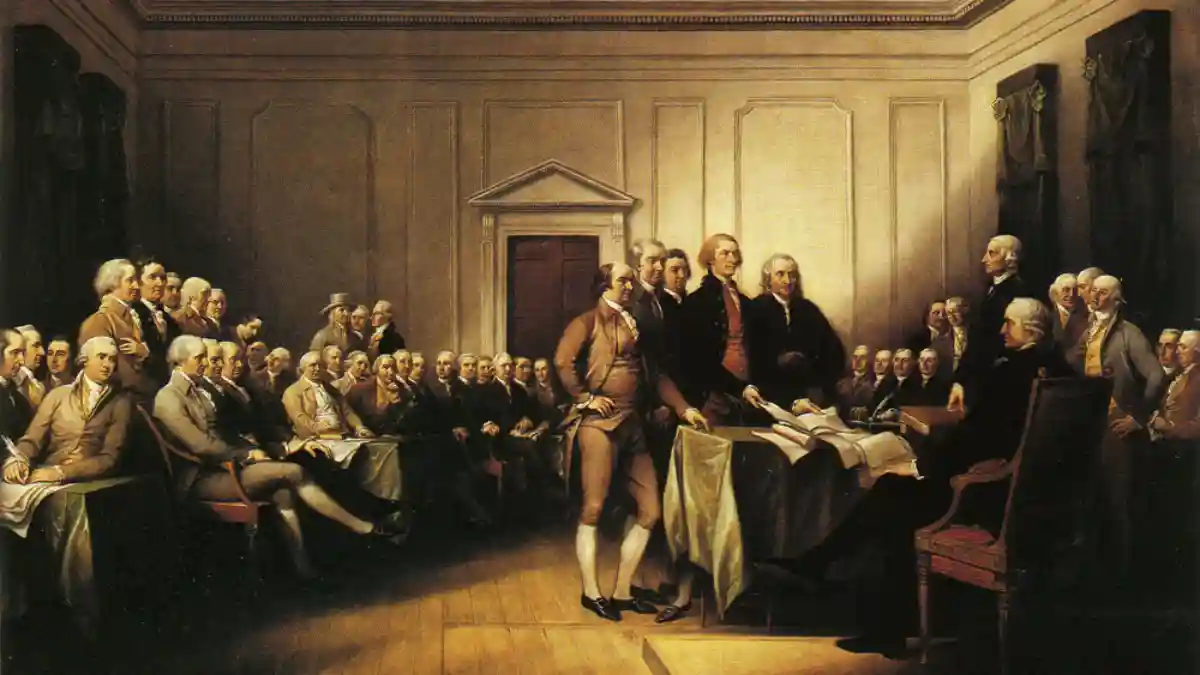
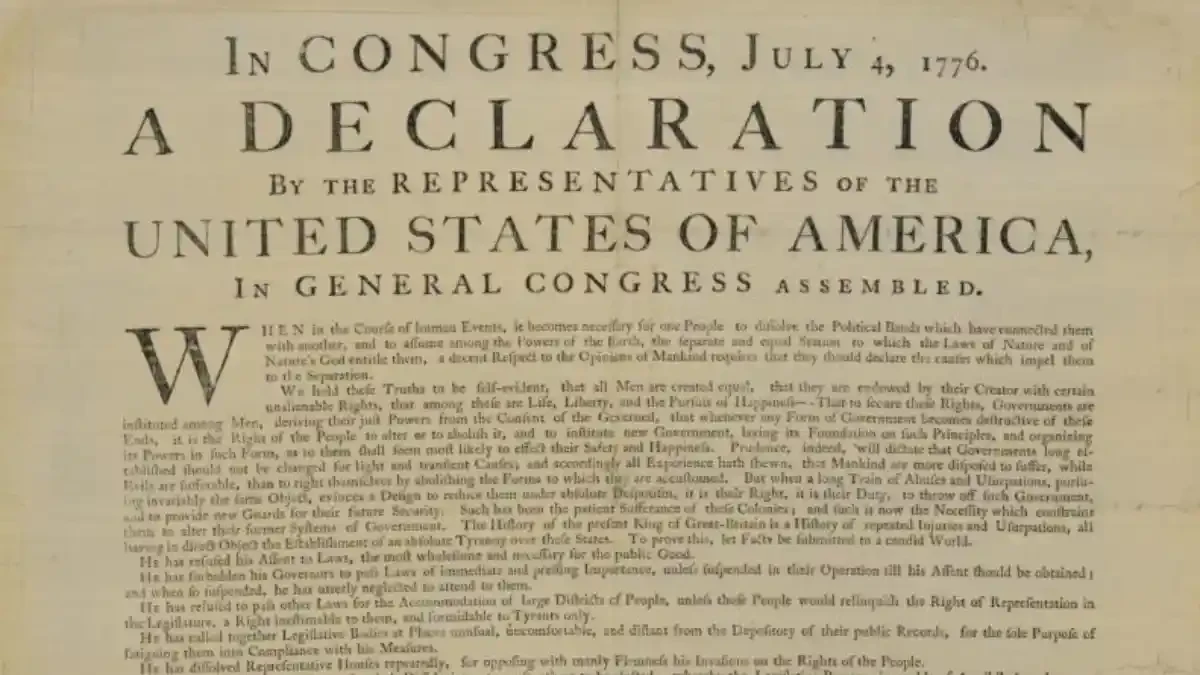
On July 4, 1776, the Second Continental Congress meeting in Philadelphia formally adopted the Declaration of Independence a document that severed thirteen British colonies from the Crown and announced a new nation founded on the principle that governments derive their authority from the consent of the governed. Two hundred and fifty years later, the United States is marking that anniversary with sweeping federal programming, even as polls show deep divisions over what the country has become.
What Actually Happened on July 4, 1776
The date carries a common misconception worth correcting at the outset. The vote for independence was cast on July 2, 1776 not the 4th. What happened two days later was the formal ratification of the text itself, the document that declared why the break was being made.
According to the National Archives, the parchment copy that most people associate with the founding was not signed on July 4 at all. Congress ordered that version prepared on July 19, and the formal signing ceremony began on August 2. Fifty-six delegates ultimately signed but not all on the same day.
Printed copies of the Declaration, produced overnight by Philadelphia printer John Dunlap, began circulating on July 5. General George Washington ordered it read aloud to his troops on July 9, 1776 five days after Congress adopted it.
The Declaration proclaimed life, liberty, and the pursuit of happiness as unalienable rights. But independence in law did not mean independence in fact. Britain did not recognise the new nation until the Treaty of Paris in 1783, seven years after the document was adopted.
Washington, D.C. did not yet exist as a capital. The debate, the vote, and the adoption all took place in Philadelphia. George Washington was not elected president until 1789, winning the unanimous support of 69 electoral votes under the newly ratified Constitution.
The 250th Anniversary Celebrations
This year's Fourth of July falls on a Saturday. Under Office of Personnel Management guidance, most federal employees observed the holiday on Friday, July 3 the preceding weekday.
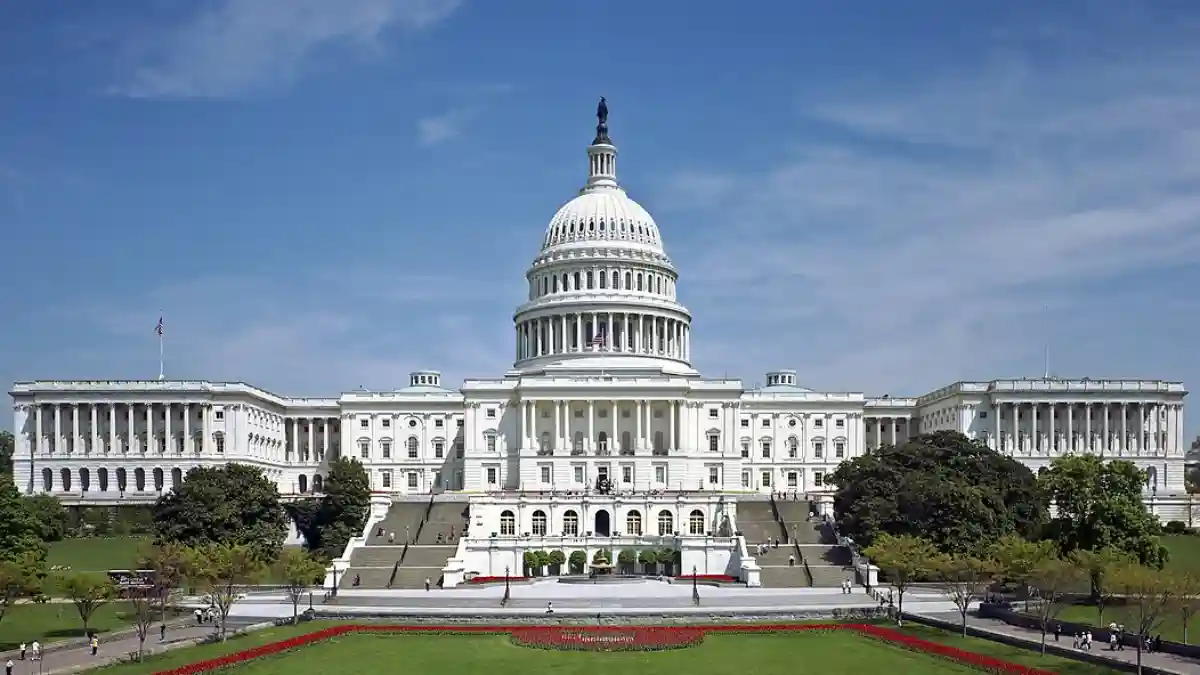
The federal government has spent much of the past year building toward this moment. The White House describes Freedom 250 as a public-private partnership established to coordinate anniversary programming. Its centrepiece on the National Mall the Great American State Fair, running from June 25 through July 10 features pavilions representing all 50 states and territories.
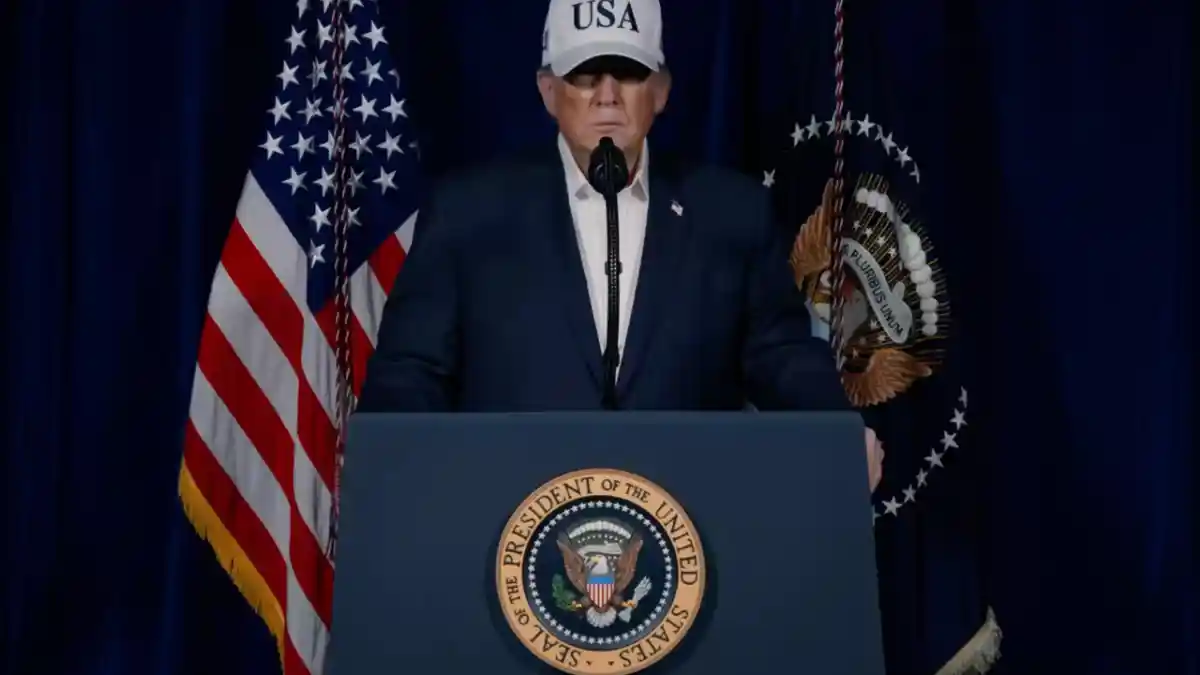
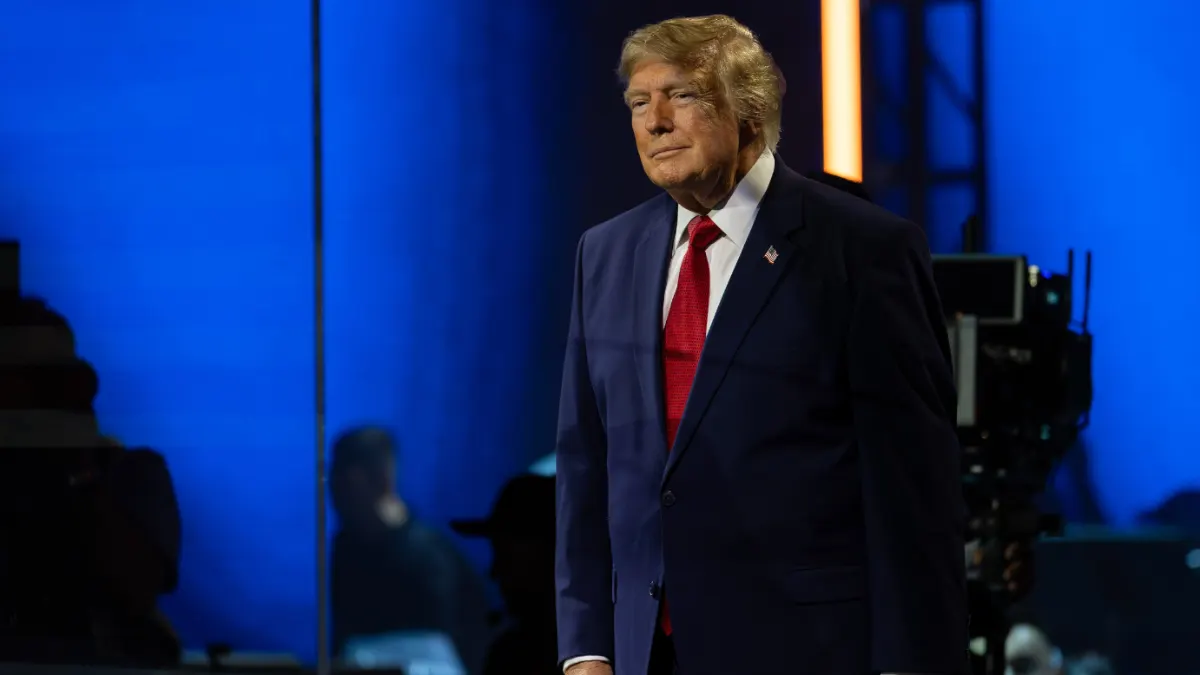
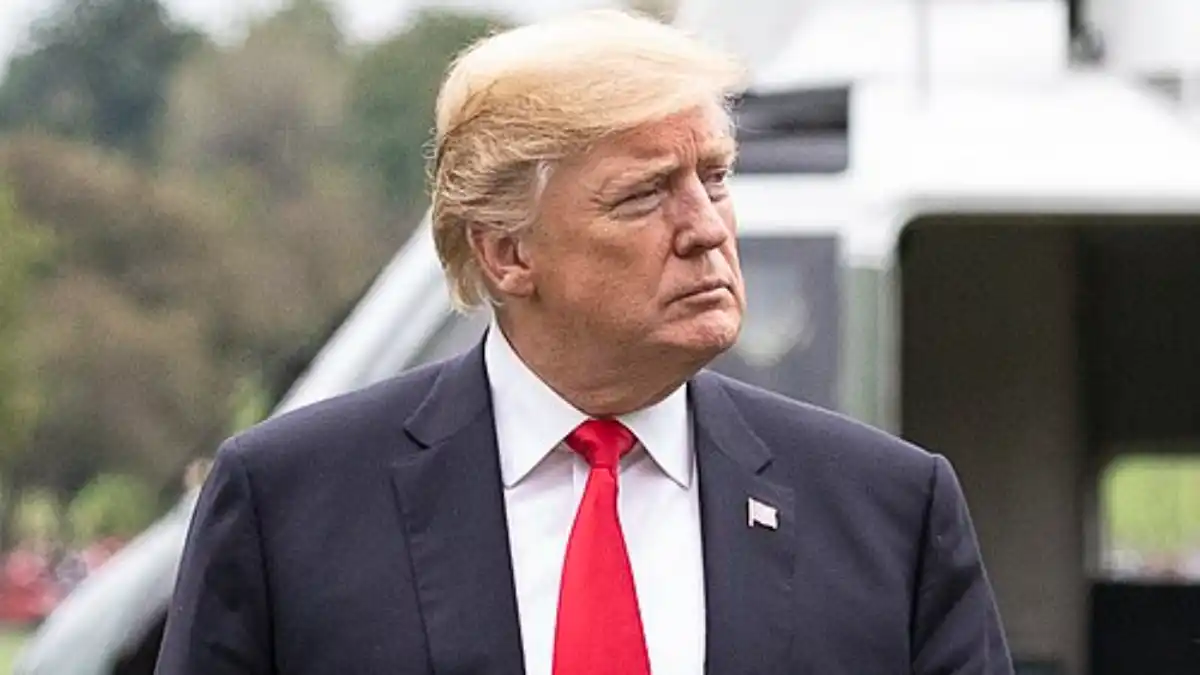
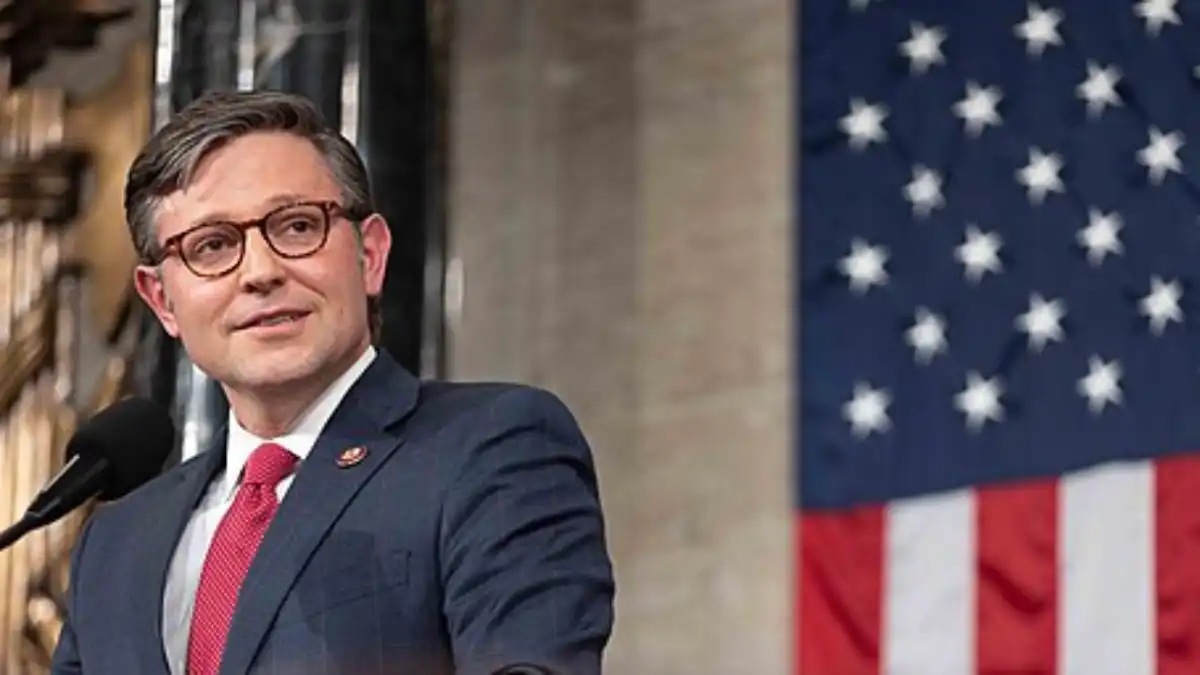
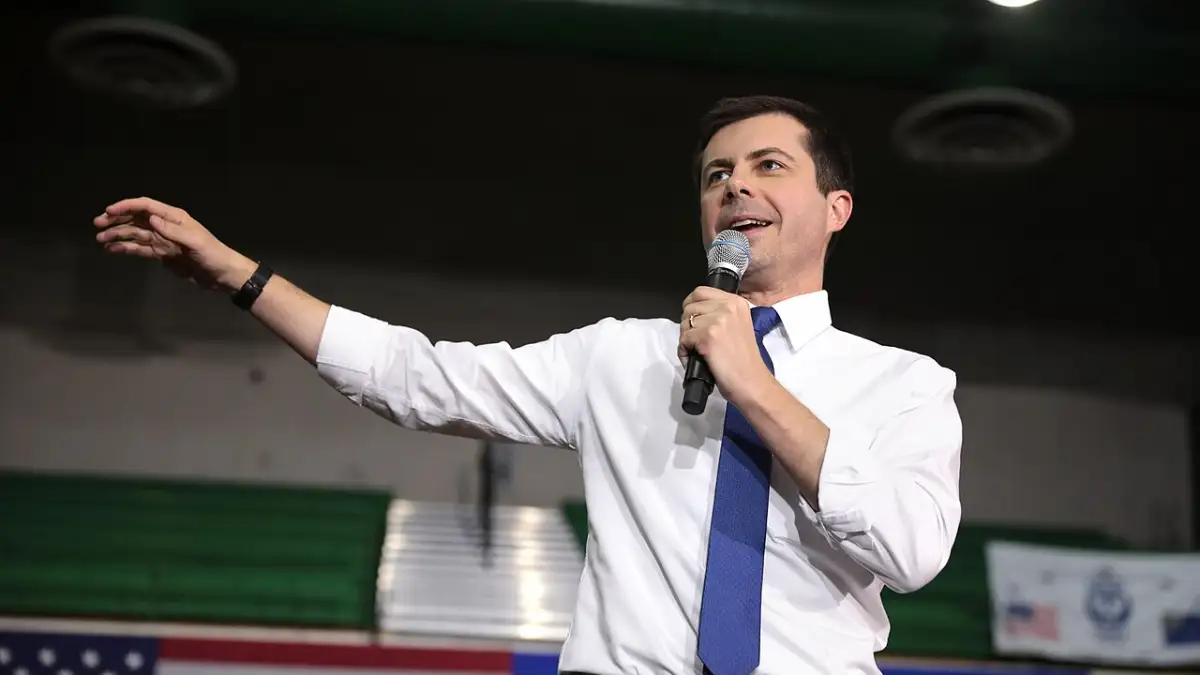
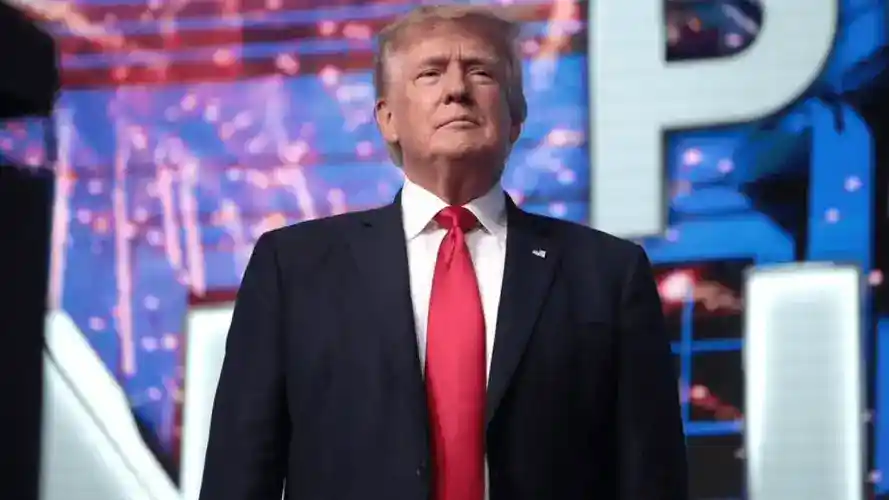
The main event on July 4 is the "Salute to America 250" gathering on the Mall, where President Donald Trump is scheduled to deliver the keynote address. The White House describes it as one of the "grandest displays of patriotism" in the country's history, a characterisation that comes from the organisers themselves and carries no independent measurement.
The national commission America250 has coordinated programming across the calendar year, from museum exhibitions to travelling exhibitions in smaller cities not on the usual federal circuit.
The military dimension of the anniversary is substantial. The International Naval Review 250, which the Navy describes as the "pinnacle event" of the 250th birthday celebration, runs July 3 through 8 off New York, with invitations extended to more than 130 navies and coast guards worldwide and more than 30 tall ships participating.
Overseas, U.S. forces at Naval Station Rota in Spain marked July 1 with a formation of more than 500 service members connected to 46 commands, a flag ceremony, and an Independence Fest headlined by country artist Larry Fleet. An unusual diplomatic arrangement allows the U.S. flag to fly over Spanish territory for that occasion under an annual exception, according to official U.S. Navy reporting.
Allied nations offered their own gestures. Japan contributed 250 new cherry trees to Washington a callback to the original gift of 3,020 trees from Tokyo in 1912, now documented at DC250. Spain's Royal Mint issued a commemorative coin series honouring the Spanish contribution to the American Revolution. Among the verified designs: a bald eagle coin, a first-dollar coin, and a coin portraying Jordi Farragut the Menorca-born sailor and soldier who fought with the colonists during the Revolutionary War and was the father of Admiral David Farragut, the first admiral in U.S. Navy history.
A Nation Divided at 250
The celebrations are taking place against a backdrop of measurable public anxiety. A Reuters/Ipsos poll conducted in June, surveying 1,537 adults with a margin of error of plus or minus three percentage points, found that 38 percent of respondents did not believe the United States would exist as a single country in another 250 years. Sixty-four percent said democracy was in danger of failing. Seventy-seven percent expected political violence to increase over the next five years.
A separate Reuters report from late June found that roughly one in five Americans did not plan to celebrate the 4th at all. That included around 25 percent of Democrats and 8 percent of Republicans who said they would skip the day's observances.
The Marist Poll, fielded June 8 through 11, found 47 percent of Americans believed the country had drifted far from its founding ideals. Eighty-two percent said they saw a serious threat to the future of democracy. Among Democrats, 53 percent said the country had moved far from those original principles among Republicans, 42 percent agreed.
Pew Research Center, in a June report, described a national mood defined by declining trust in institutions and pessimism about political division, economic conditions, and government performance through 2050.
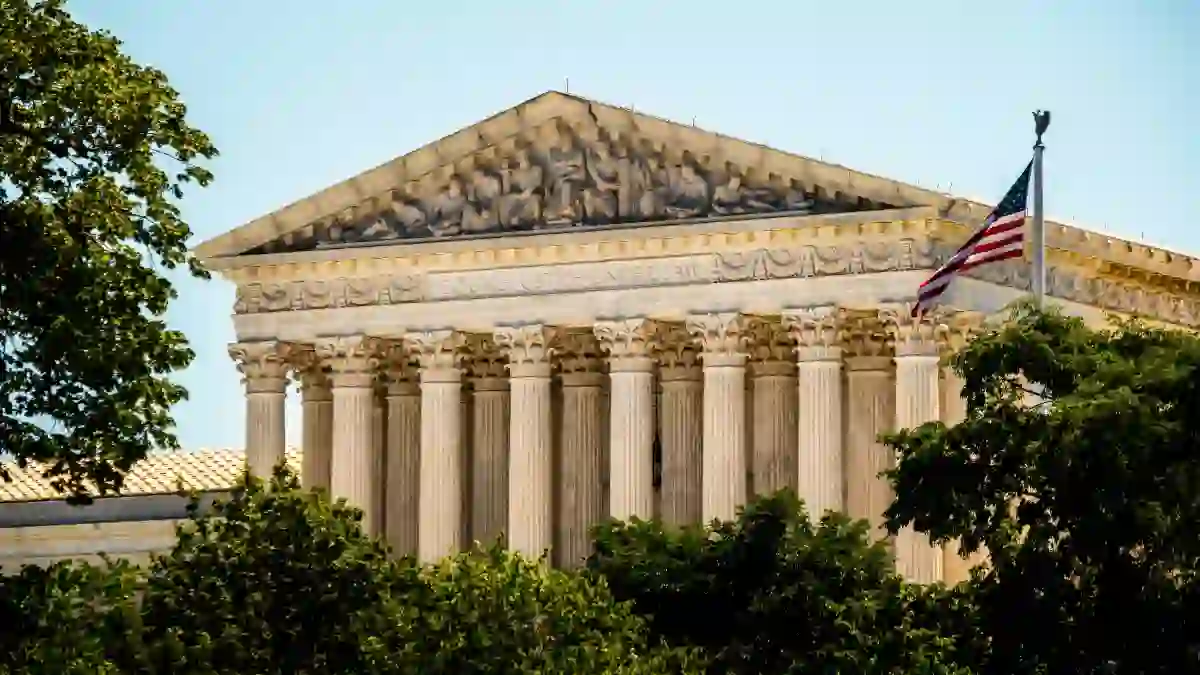
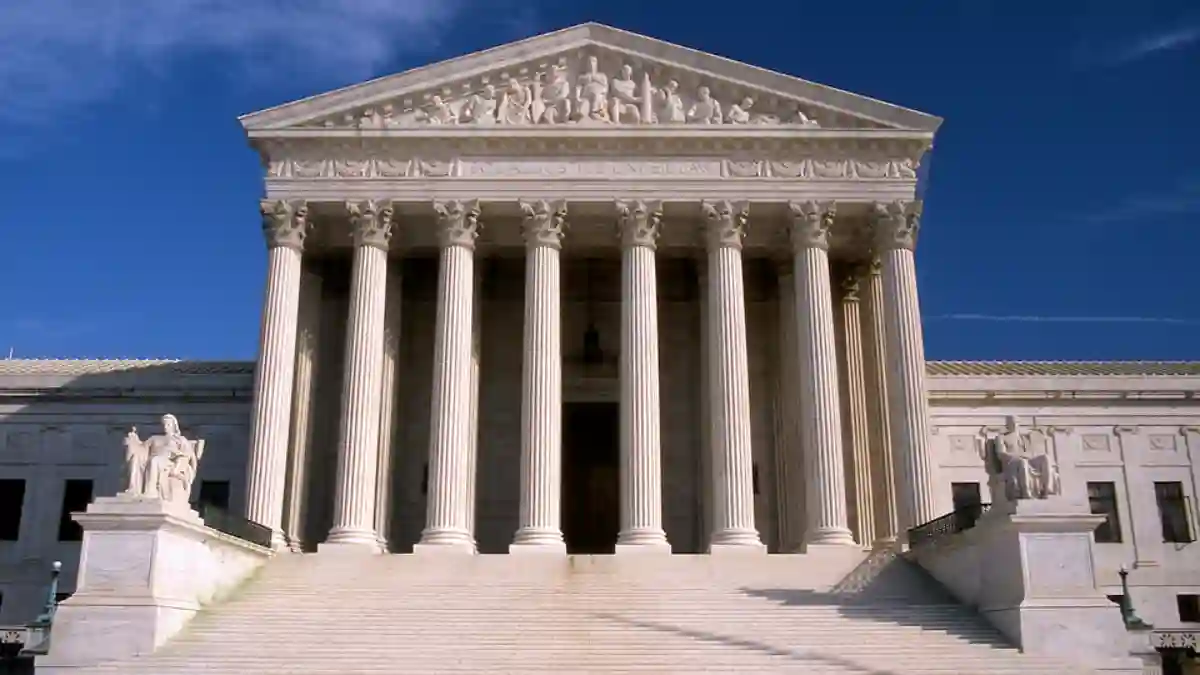
Those numbers sit alongside a legal development that landed just before the anniversary. On June 30, the Supreme Court ruled 6 to 3 to uphold birthright citizenship for children of parents without legal immigration status or with temporary legal status rejecting the administration's bid to narrow the 14th Amendment's scope.
The World Cup Runs Alongside It
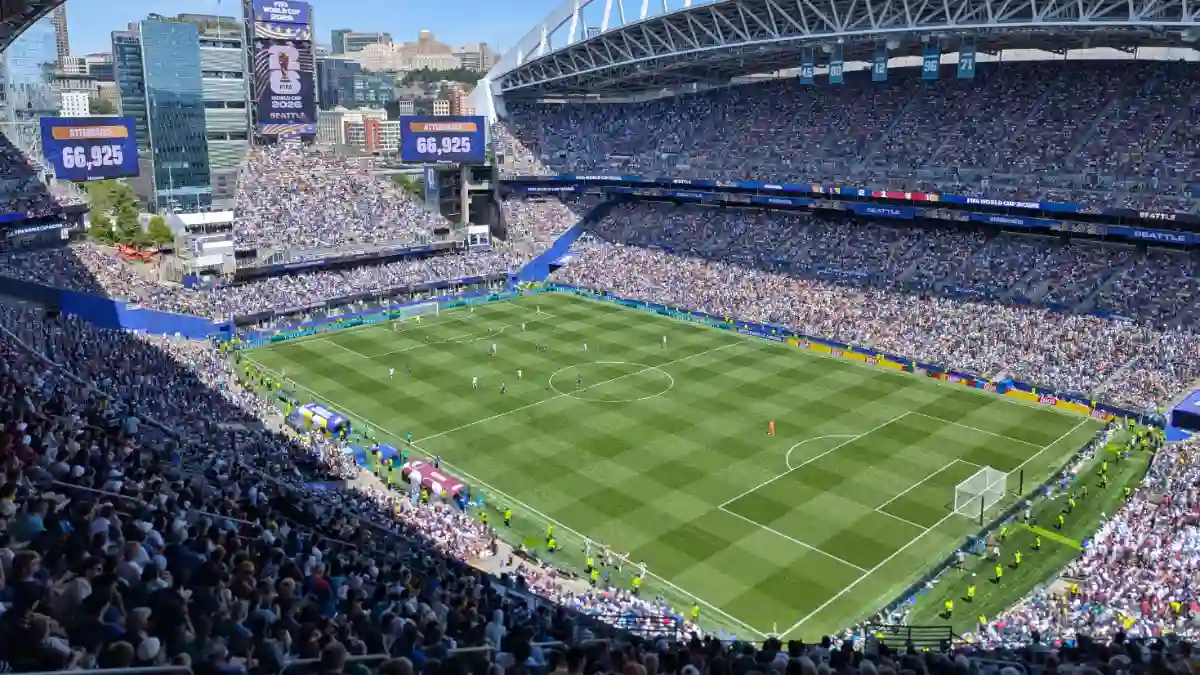
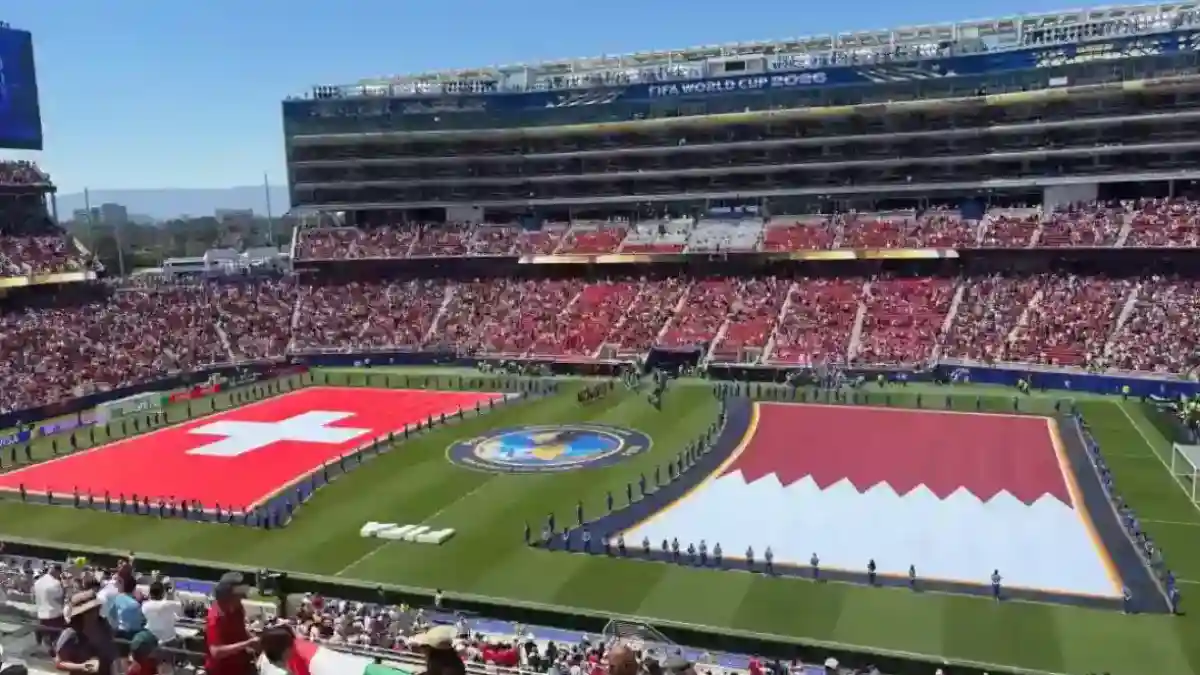
The timing of the 250th anniversary overlaps with the FIFA World Cup 2026, co-hosted by the United States, Canada, and Mexico from June 11 through July 19. The tournament expanded to 48 nations and 104 matches across 16 host cities for the first time in the competition's history, as confirmed by FIFA.
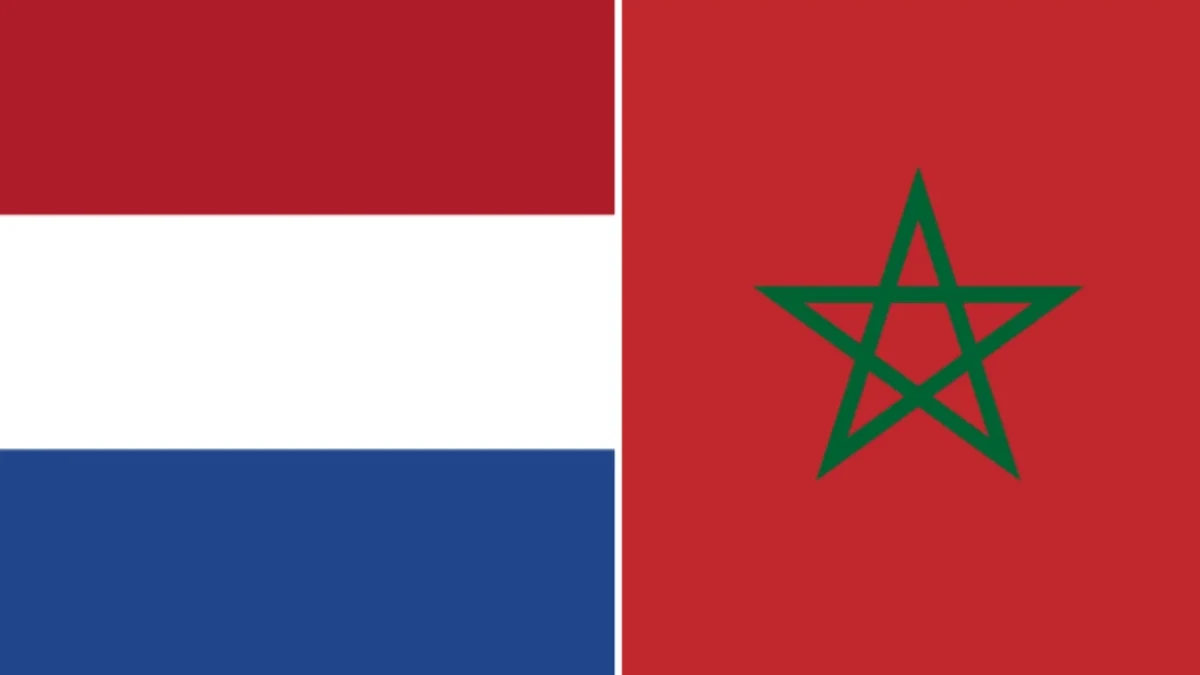
On July 4 itself, two Round of 16 matches are scheduled: Canada against Morocco in Houston at noon local time, and Paraguay against France in Philadelphia at 5 p.m. Eastern. The Philadelphia fixture in the city where the Declaration of Independence was adopted falls on the anniversary with a certain accidental symmetry.
The tournament is separate from the FIFA Club World Cup 2025, which concluded in July last year with Chelsea defeating Paris Saint-Germain 3-0 in the final.
Independence Day Around the Country
In San Diego, the Big Bay Boom fires from four points around the bay at 9:15 p.m., with viewing free from public shorelines according to the Port of San Diego. In Poway, two separate events fill the day: the Old Fashioned Fourth of July runs from 10 a.m. to 4 p.m. at Old Poway Park with patriotic entertainment and train displays, while the fireworks begin at 9 p.m. at a separate venue Poway High School Stadium and the Poway Sportsplex with gates opening at 6 p.m. for activities and admission charged at the gate. Coronado's programme, confirmed on the city's official calendar, includes its annual race and fireworks over Glorietta Bay at 9 p.m.
The 250th anniversary adds a dimension beyond routine celebration. One hundred years elapsed between the signing of the Declaration in 1776 and the centennial in 1876, and another 100 between 1876 and the bicentennial in 1976. The semiquincentennial arrives on a country still arguing as it has in every generation about what the promises of July 4, 1776 require of the nation it built.
Congress voted for independence on July 2, 1776. The words were adopted on July 4. Britain acknowledged them in 1783. The Supreme Court was still interpreting them last week.
- que se celebra el 4 de julio en estados unidos
- 4 de julio de 1776
- cuatro de julio fourth of july
- estados unidos
- independence day 250th anniversary
- FIFA World Cup 2026