American Airlines Ground Stop: IT Outage Halts Flights
American Airlines lifted a nationwide ground stop on July 28 after an IT outage briefly cut connectivity. Flights resumed in under an hour as the FAA confirmed all airports were affected.

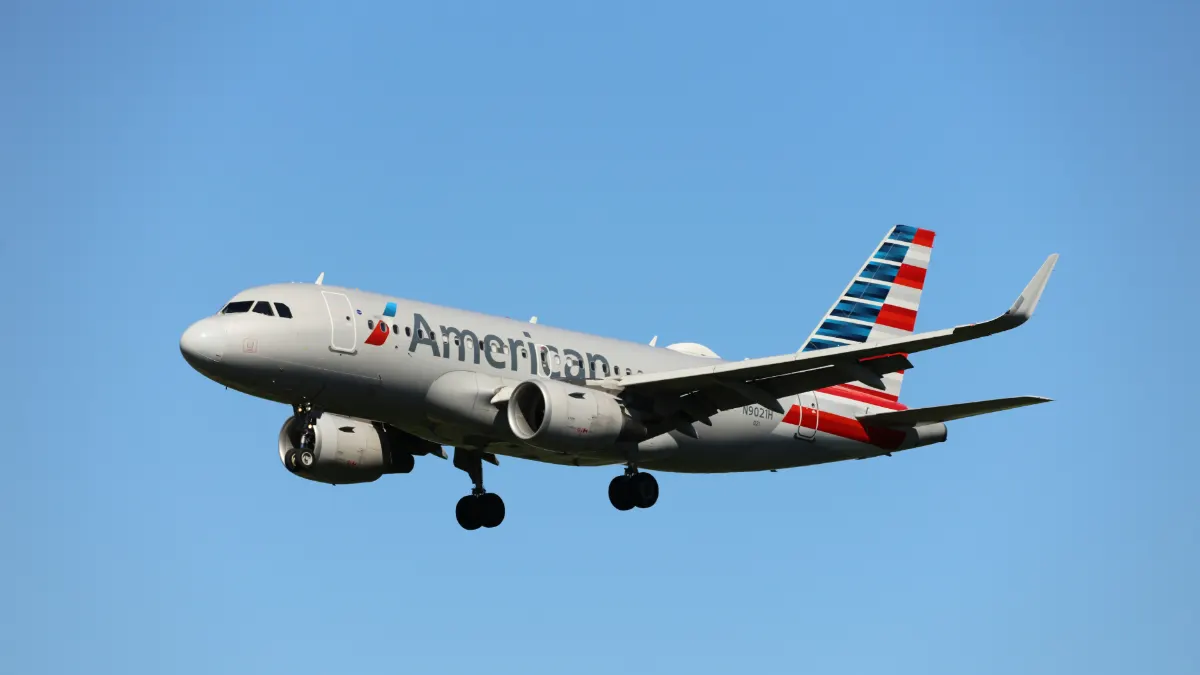
The FAA's Air Traffic Control System Command Center issued a nationwide ground stop for American Airlines on Tuesday evening, July 28, 2026, after the carrier's own IT systems lost connectivity, halting every scheduled departure across all U.S. airports for the better part of an hour before the airline confirmed systems were recovering and flights began moving again.
What the IT Outage Actually Did
A ground stop is a precise air-traffic management tool: it prevents aircraft from departing, but it does not affect flights already airborne. Every American Airlines plane already in the air on Tuesday evening continued to its destination normally. The halt applied only to departures that had not yet left the gate.
American Airlines confirmed the scope in a statement posted to X: "A technology issue briefly impacted connectivity for some of our systems on Tuesday evening. Systems are coming back online now and flights are departing again. We put a temporary ground stop in place while our teams worked to resolve the issue. We apologize to our customers for the inconvenience."
The FAA's Air Traffic Control System Command Center confirmed that all airports and facilities were affected during the outage, meaning no American hub was exempted from the departure hold while the issue was active.
The ground stop was issued around 6:30 p.m. ET. Departures resumed shortly before 7:30 p.m. ET, with American Airlines confirming systems were coming back online. The root cause of the connectivity failure was not disclosed. No technical vendor, internal system, or cybersecurity cause has been confirmed by the airline or the FAA.
The Disruption Passengers Actually Felt
Nearly 1,500 users filed outage reports on Downdetector for the American Airlines app by 6:40 p.m. ET, with forum comments also indicating that employee-facing systems were affected during the window. The airline's post during the incident said its IT team was working "as quickly as possible to get the system restored."
San Francisco International Airport recorded 37 cancellations and 324 delays across all carriers on July 28, with eight of those cancellations and 26 delays attributed specifically to American Airlines. That local snapshot illustrates the knock-on effect a departure halt produces even at airports far from the carrier's main hubs.
Passengers with American Airlines tickets should check their flight status directly through the American Airlines flight status tool and the airline's rebooking guidance for affected travelers on its delayed or canceled flights page.
Weather Was Already Battering the Same Evening
The IT outage did not happen against a clean backdrop. The FAA's daily air traffic report for July 28 flagged thunderstorms across Charlotte, Denver, Philadelphia, Florida, New York, and Washington-area airports, a separate and concurrent source of flight disruption that affected all carriers, not just American.
FAA advisories active on Tuesday evening listed severe-weather ground stops at Baltimore, Reagan National, Dulles, JFK, LaGuardia, Newark, Teterboro, Morristown, Caldwell, and Philadelphia, a dense cluster of Northeast airports already under weather pressure before the American Airlines IT event compounded the evening's delays. The same weather system had already forced the FAA to act earlier in the week, as thunderstorms grounded flights across the Northeast and stranded travelers at Philadelphia and New York airports over the preceding days.
These two disruptions, the American Airlines technology failure and the regional severe-weather pattern, were independent events that overlapped in time. American Airlines passengers delayed at Northeast hubs on Tuesday evening may have been caught by both.
What Passengers Should Do Now
American Airlines had a travel waiver active for Eastern U.S. passengers. The waiver applied to passengers originally scheduled to travel on July 27 or 28, who were permitted to rebook for travel through July 30 without change fees or fare differences, provided the ticket was purchased by July 26 and the origin and destination remained unchanged. Passengers affected by Tuesday's outage-related delays should check American's travel alerts page for any updated waiver terms, since outage-related disruptions and weather-related waivers carry different rebooking conditions.
The FAA's airport status tool gives real-time information on active ground stops and ground delay programs by airport, the most current operational source available to passengers, independent of what any individual airline's app shows.
Aircraft and crews that were out of position during the ground stop will need time to resequence across American's network. That recovery process can produce residual delays on Wednesday morning even at airports that never saw the outage directly, as connecting aircraft arrive late and downstream departures push accordingly.
American Airlines has not scheduled a press briefing or released further technical detail as of Tuesday night. The FAA has not published a specific advisory naming the American Airlines ground stop in the documents reviewed for this report.
- American Airlines ground stop today
- American Airlines outage
- American Airlines system down
- FAA ground stop
- American Airlines grounded today