Why France Says It Can Block UN Sanctions on Iran
France holds a UN Security Council veto tied to lifting Iran sanctions , and Foreign Minister Barrot just made that leverage very public.

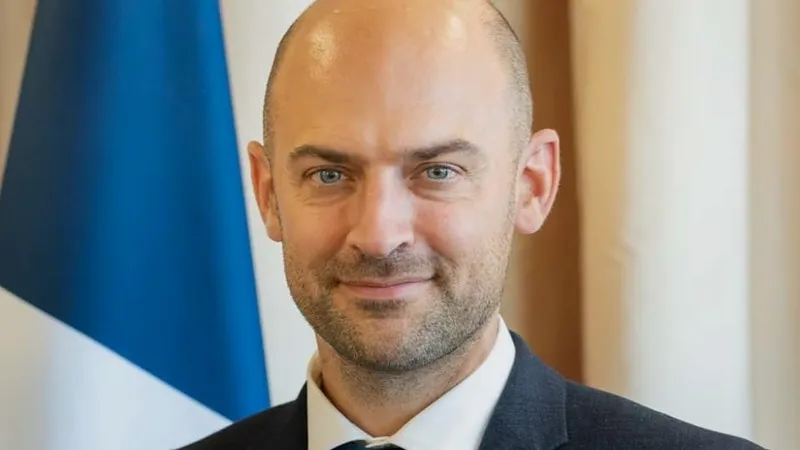
France just reminded everyone it has a veto
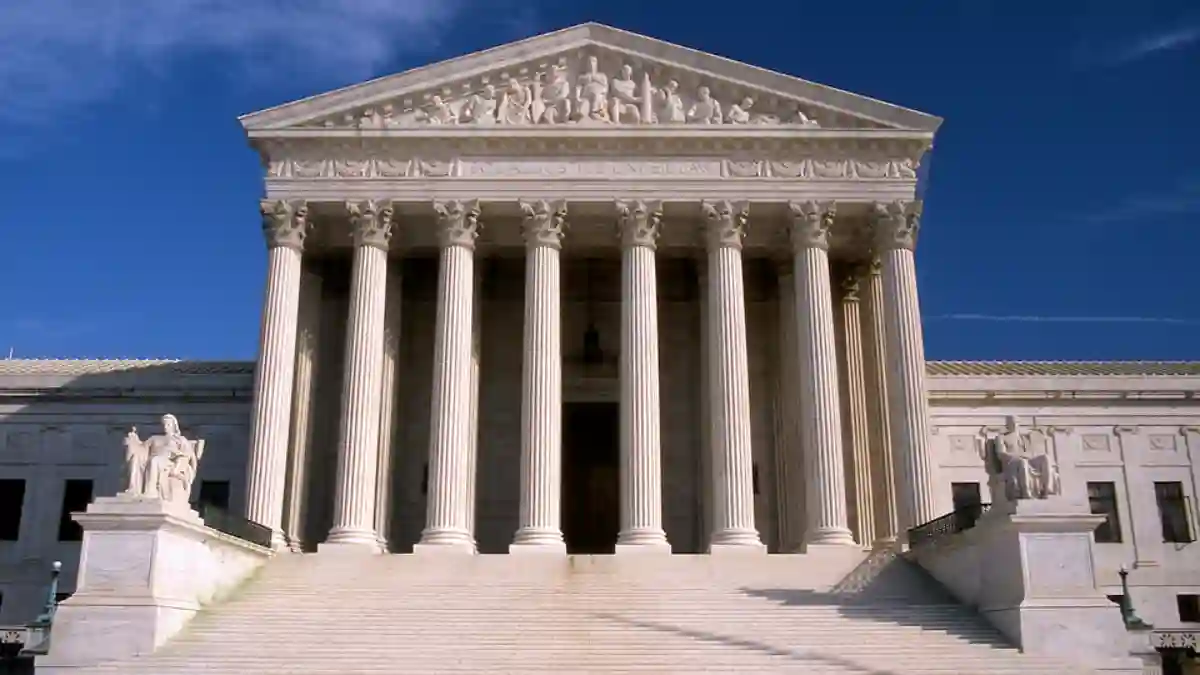
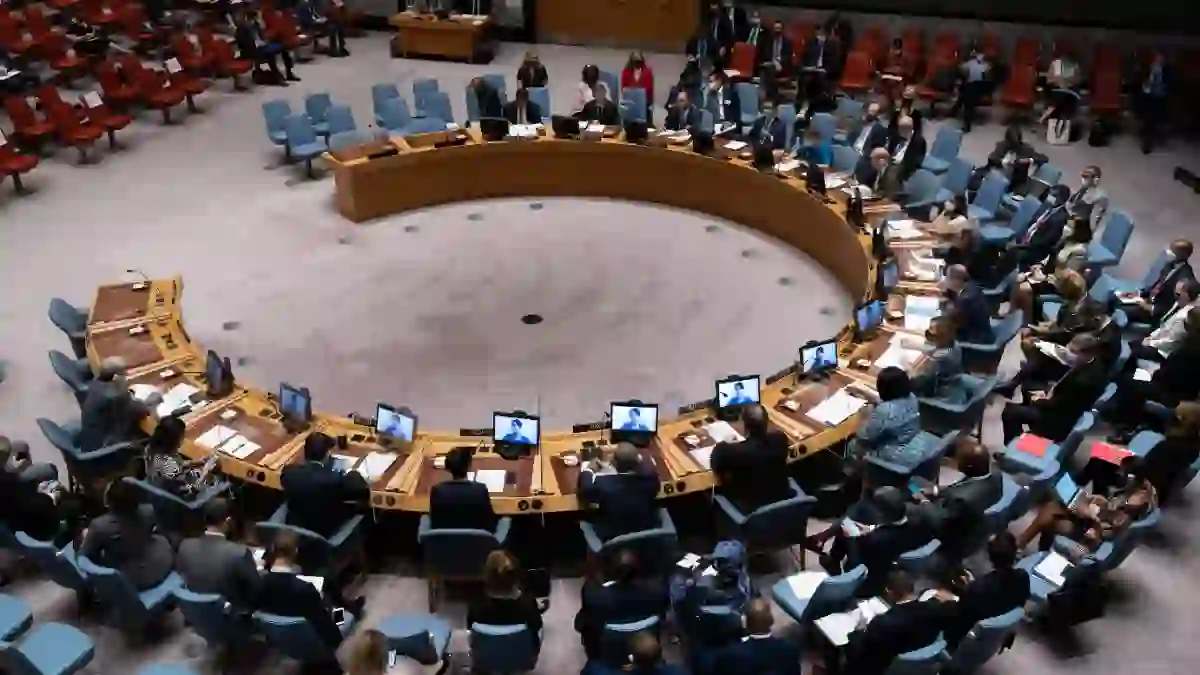
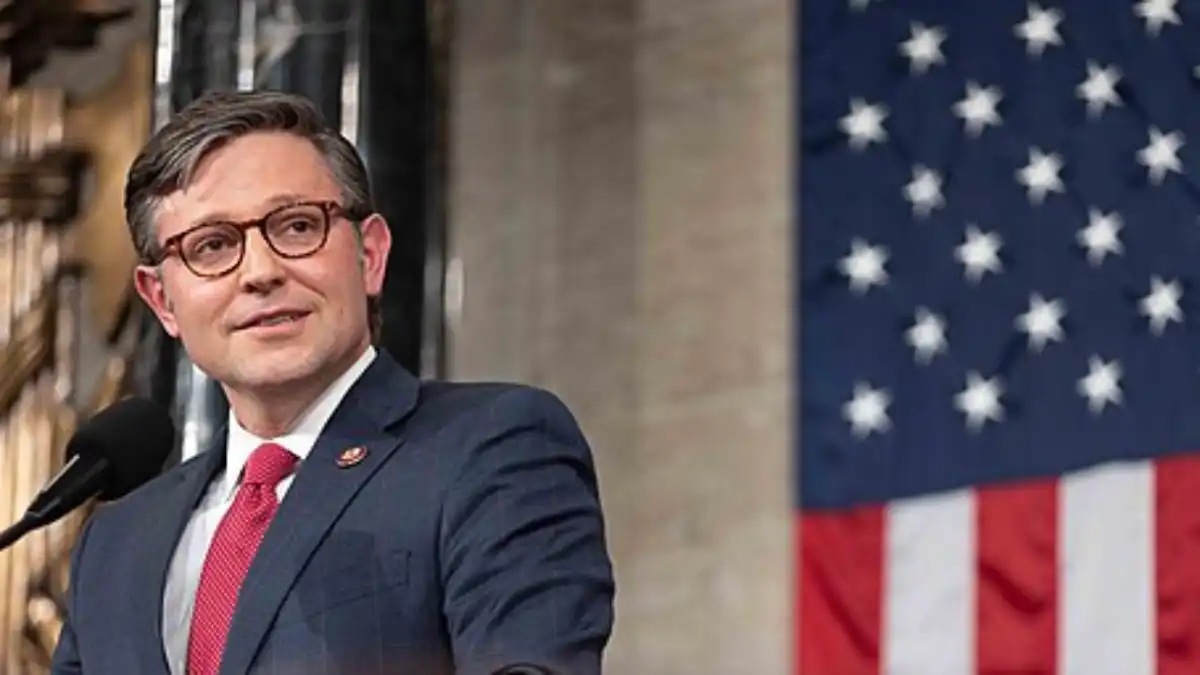
Paris didn't whisper this one. France's Foreign Minister Jean-Noël Barrot went on national radio and said it plainly there will be no lifting of UN sanctions on Iran without French sign-off. Not American sign-off. Not a handshake in a hotel lobby. French sign-off, specifically, because Paris sits as a permanent member of the UN Security Council, with all the veto power that comes with the seat.
It's the kind of statement that sounds procedural until you realize what it actually means for the fragile US-Iran deal moving through its early stages right now.
What's actually happening
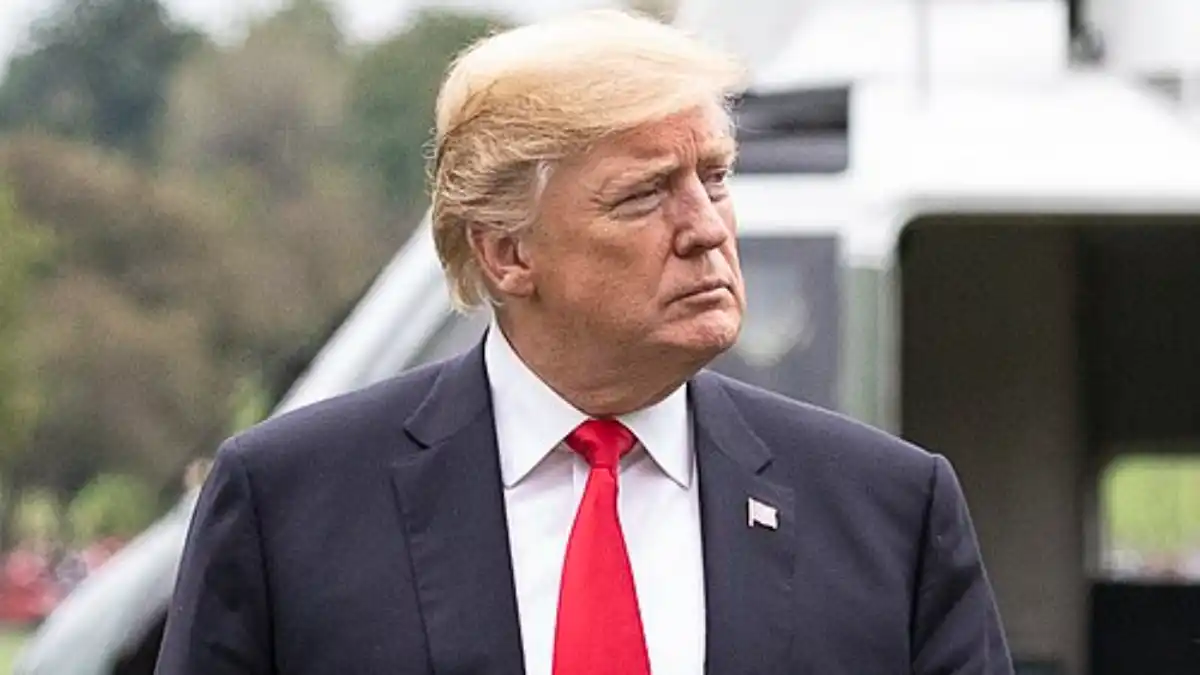
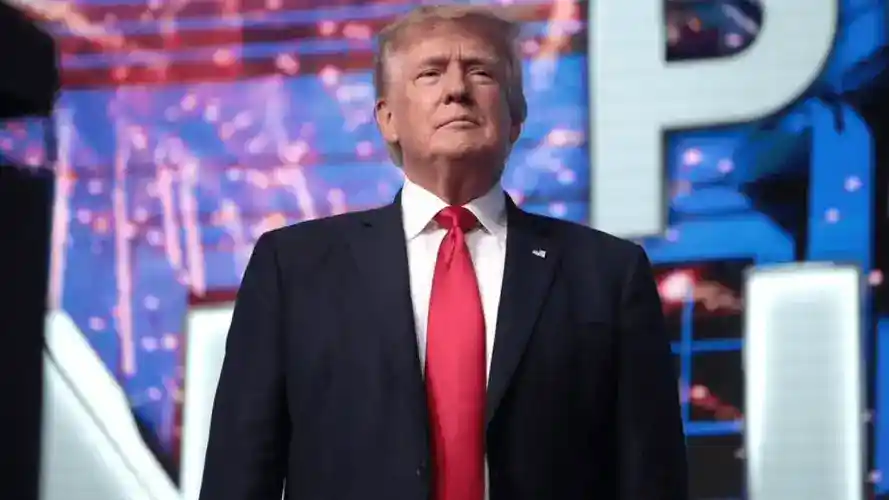
Roughly two weeks of diplomacy compressed into one wild stretch: the US and Iran reached a memorandum of understanding that President Trump signed on June 17 at the Palace of Versailles, just outside Paris, capping months of war. Iran's side wasn't in the room , President Masoud Pezeshkian signed separately, in Tehran, around the same time, with Iranian state media releasing photos of his signature on the document. The agreement has Iran reaffirming it will not pursue nuclear weapons, and it sets a 60-day clock for both sides to hammer out a final, lasting accord.
Iran's supreme leader, Mojtaba Khamenei , who took over the role in March after his father, Ali Khamenei, was killed in the strikes that opened the war , said he approved the memorandum despite having "a different view," without elaborating further.
French President Emmanuel Macron was warm about it in public. "We welcome the excellent agreement concluded between the United States of America and Iran obtained by President Trump," he said at the G7 in Évian. But warmth at a summit and trust in the fine print are two different things , and that gap is exactly where Barrot's statement landed.
Speaking to broadcaster franceinfo on June 19, Barrot said France wants a role in the talks over Iran's nuclear programme and will not approve lifting UN sanctions unless satisfied by the terms of a final accord. He reminded everyone France is a permanent, veto-wielding member of the Security Council. France can't force a "yes" vote on its own , but it can stop one outright by voting no, which is the practical weight behind what Barrot said.
Why France actually has this power
This isn't bluster. The US-Iran agreement explicitly calls for negotiations over Iran's nuclear programme to run for the next 60 days, with any final deal needing endorsement by the Security Council , and France, alongside the US, UK, China, and Russia, holds permanent-member veto rights there.
What happened | When | Source |
|---|---|---|
Trump signs MOU at Versailles, Pezeshkian signs separately in Tehran | June 17, 2026 | |
Barrot's UNSC veto statement | June 19, 2026 | |
Paris bans Iranian opposition rally | June 18, 2026 (evening) | |
Police arrest ~20 protesters defying ban | June 20, 2026 |
France isn't asking to co-sign out of pride. Barrot tied French approval directly to getting "major concessions" from Tehran, calling for a "radical change in posture," and said France's seat on the council means it will "necessarily" be linked to resolving the crisis.
There's a deeper worry underneath that. Reuters reported that European powers fear an inexperienced American negotiating team could land a superficial deal that fails to seriously address Iran's ballistic missile programme, leaving the region exactly where it started in a few years. Barrot said flatly there would be no real stability unless the talks also covered Iran's missile programme and its support for regional proxy groups , not just the nuclear file.
It's a pointed echo of 2015. France, Britain and Germany , alongside the US, China, Russia and the EU , negotiated the original Iran nuclear deal, known as the JCPOA. That history matters now for a specific reason those same three European countries triggered the deal's "snapback" clause last September after accusing Iran of breaching its commitments, which restored the old pre-2015 UN sanctions regime. Those are the sanctions now on the table to potentially come off again, and it's specifically that UN-level track, not the separate web of US or EU sanctions, where France's Security Council seat gives it direct leverage. Washington controls its own unilateral sanctions, Brussels has its own EU procedures. France's veto only reaches the UN piece.
The three European powers have largely been sidelined in recent months as Washington pursued direct, bilateral talks with Tehran. Barrot's statement reads like Paris elbowing its way back to the table before the final draft is locked in.
The Paris rally controversy didn't help optics
While Barrot was framing France as a careful, principled gatekeeper, a separate story broke that complicated the picture. Paris police banned a planned rally by Iranian diaspora groups and the National Council of Resistance of Iran (NCRI) , which organizers said they expected to draw up to 100,000 people protesting executions inside Iran , late on the evening of June 18, hours after Barrot spoke by phone with his Iranian counterpart, Foreign Minister Abbas Araqchi, about efforts to end the Iran war.
Organizers tried to overturn the ban in an emergency court motion, but a Paris court upheld it on the morning of June 20, the day the rally had been planned for. Demonstrators showed up anyway at Place Vauban, defying the order, police dispersed the crowd and, according to organizers and a police source, arrested around 20 people. An NCRI member told AFP the arrests happened "for no reason." France's foreign ministry rejected the NCRI's claim that the ban was connected to the Barrot-Araqchi call, telling Reuters specifically that the Iranian minister "did not mention this protest or request its cancellation" during that conversation.
It's worth separating the two threads clearly one is about treaty mechanics at the UN, the other about a domestic policing decision. They happened in the same week, involving the same foreign minister, which is exactly why people are tangling them together online.
What happens next
The 60-day clock that opened with the Versailles signing is the thing to watch , and it's already moving. On June 22, the US Treasury issued a temporary 60-day license letting Iran resume selling oil, crediting Tehran's commitment to keep the Strait of Hormuz open and let IAEA inspectors back in. Vice President JD Vance, fresh out of a first round of talks with Iranian negotiators in Switzerland, called it a "good foundation" for a final deal. Iran's side pushed back on part of that framing , its foreign ministry spokesperson denied negotiators had agreed to let inspectors back in at all, saying cooperation with the IAEA would continue only "in accordance with current procedures." Whatever the truth between those two accounts, it shows how contested even the basics still are this early on.
None of that touches the UN sanctions track directly , that oil license is a US move, separate from the Security Council process Barrot was talking about. But it does show momentum building fast outside the UN track, which makes the eventual Security Council vote more, not less, consequential. Negotiators still have to settle what happens to Iran's enriched uranium stockpile, and Iran has already signaled it won't put its missile programme on the table, setting up a direct collision with the condition Barrot put in public.
If a resolution on lifting UN sanctions comes to a vote and France isn't satisfied, Paris can kill it outright with a single "no." If France is satisfied, it doesn't even need to vote yes , it could abstain and let the resolution pass on nine other votes, the same way the Security Council's rules work for any permanent member. Either way, the next stretch of this 60-day window is when we find out which way it goes.
One thing the keyword chatter gets wrong France and Iran aren't meeting on a football pitch this World Cup, at least not yet. France sits in Group I with Senegal, Iraq and Norway, Iran is in Group G with Belgium, Egypt and New Zealand , no group-stage match between them. A later meeting in the knockout rounds isn't impossible once final group positions and third-place qualifiers are settled, but right now the only collision between these two countries is diplomatic, not athletic.
Paris has made its position loud and clear. Whether Washington and Tehran can build a deal that satisfies it is the actual story still being written.
- France Iran sanctions
- Jean-Noël Barrot
- UN Security Council
- Iran nuclear deal
- France Iran relations
- Paris Iran protest