Thunderstorms Ground Flights Across the Northeast, Stranding Travelers at Philadelphia and New York Airports
Thunderstorms caused more than 300 delays and 75 cancellations at Philadelphia on Saturday, with FAA ground stops hitting all three New York-area airports. Here is what American, Delta, JetBlue, and United passengers need to know.

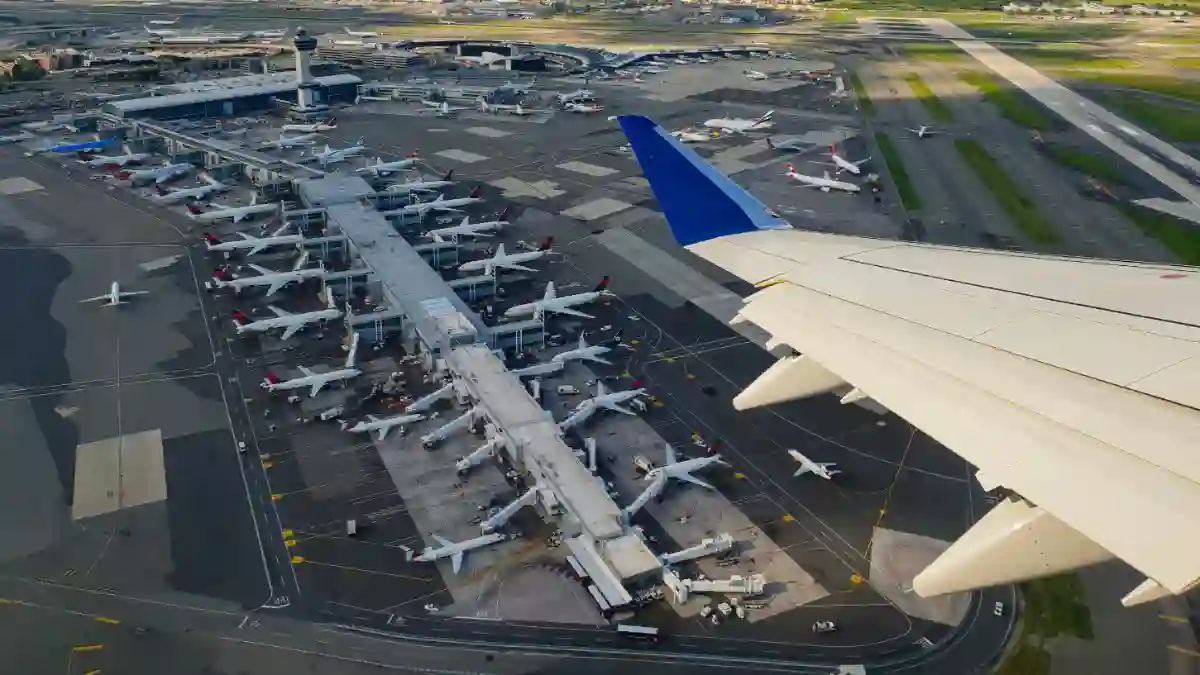
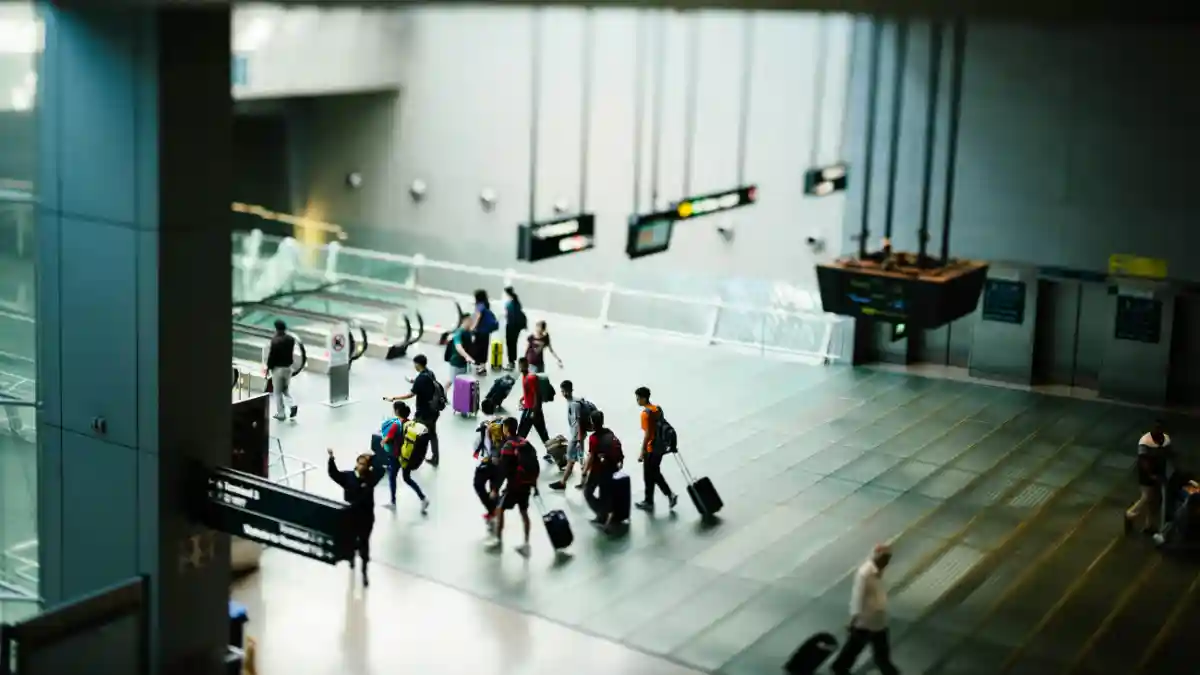
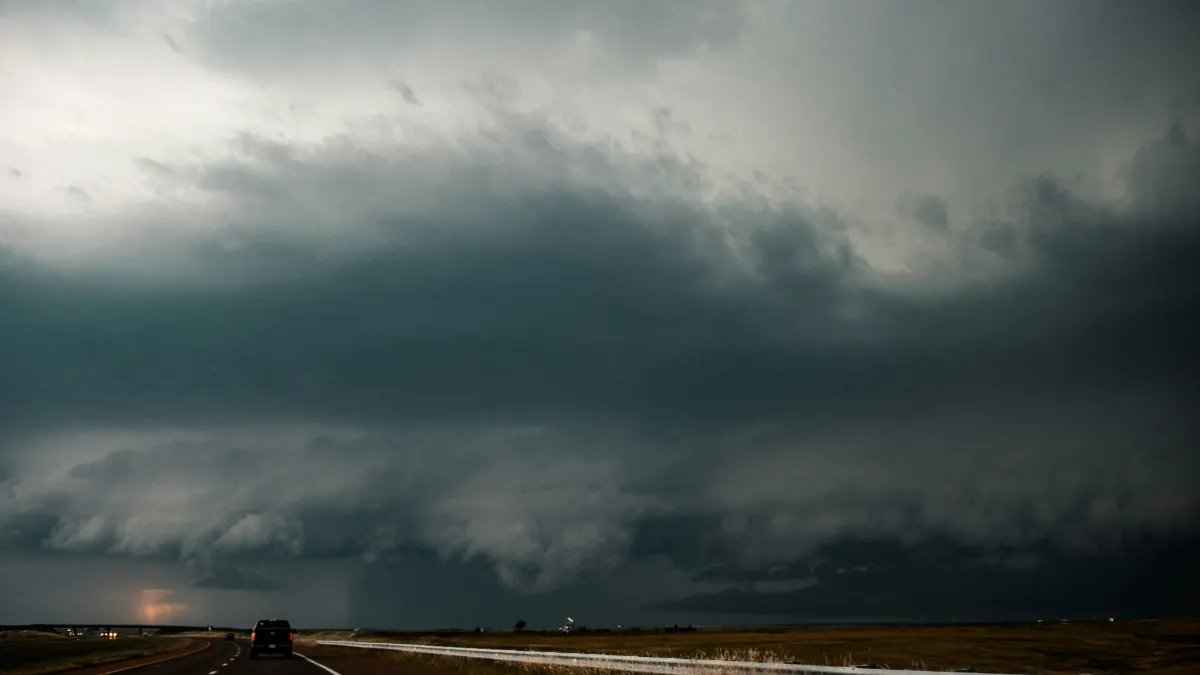
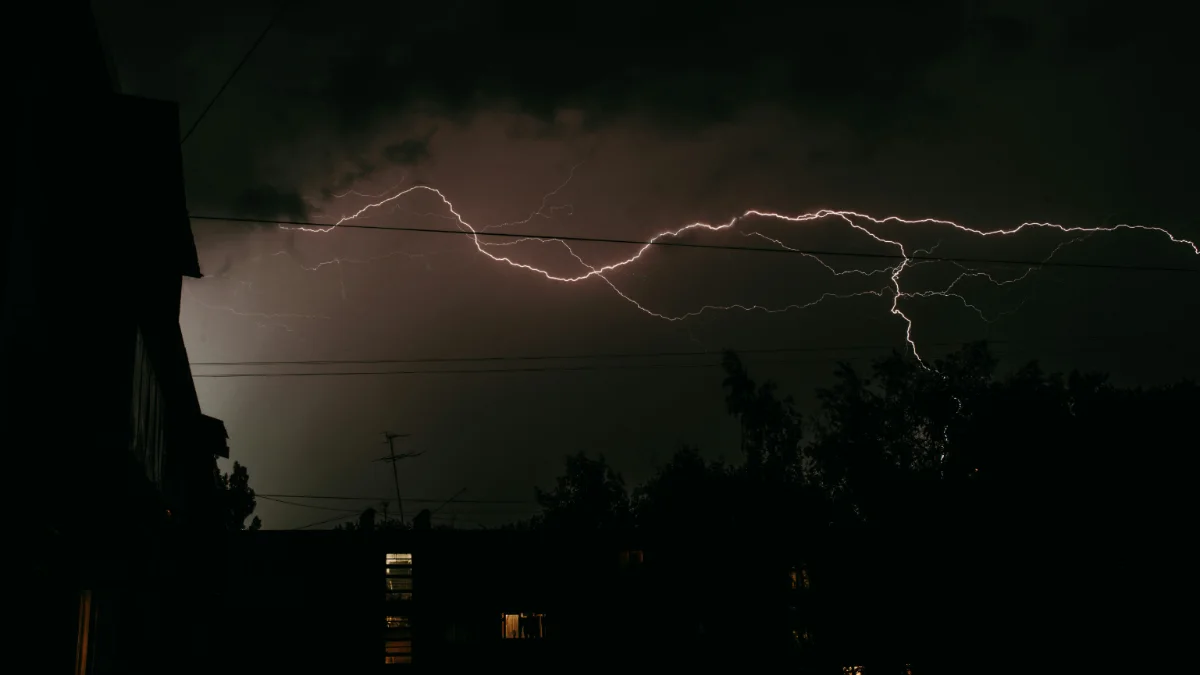
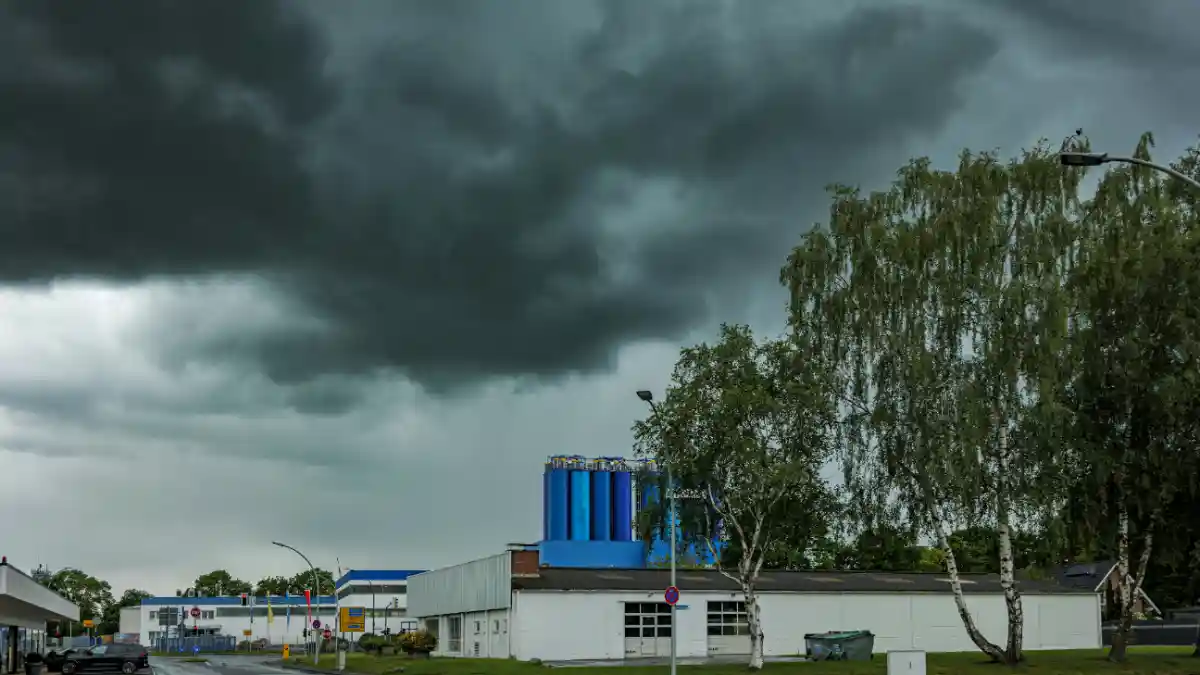
Thunderstorms swept through the Philadelphia and New York metropolitan areas on Saturday, July 18, producing more than 300 flight delays and 75 cancellations at Philadelphia International Airport alone by day's end, according to FlightAware tracking data. Disruptions at all three New York-area airports ran through the afternoon and into the evening as FAA ground stops compounded what had already been a difficult week along the Northeast corridor.
Philadelphia and New York Bore the Brunt
The disruptions concentrated along the Northeast corridor, where a line of storms triggered FAA ground stops at John F. Kennedy International, LaGuardia, and Newark Liberty airports through Saturday afternoon and into the evening. The Federal Aviation Administration's daily air traffic report had flagged wildfire smoke as a visibility risk at JFK, LaGuardia, and Newark ahead of Saturday, the thunderstorm ground stops developed on top of conditions that were already degraded.
At Philadelphia, travelers described back-to-back schedule changes throughout the day. Kelly Dakake of Atlanta told a local broadcaster her 5 p.m. departure was cancelled outright. She was rebooked onto a 7 p.m. flight, which was then pushed to 9:30 p.m. Another traveler, Allison Danzig of San Francisco, said her original 8:40 a.m. departure slid to 10:30 a.m., and the aircraft spent part of the flight rerouting around active storm cells.
Airport officials in Philadelphia confirmed that delays were not limited to local weather. Disruptions at the New York hubs rippled through the national system and compounded what was already a difficult Saturday for East Coast travelers.
Every Major Carrier Issued a Travel Waiver
All four major carriers affected by the Northeast storms activated fee waivers covering passengers booked around the disruption period.
American Airlines posted a waiver covering travel on July 17–19 through eleven airports: JFK, LaGuardia, Newark, Boston, Philadelphia, Baltimore, Providence, Hartford, both Washington airports, and White Plains. Customers with tickets purchased on or before July 16 could rebook in the same cabin without a change fee, with rebooked travel needing to be completed by July 23. American's travel alerts page has the current terms.
Delta Air Lines issued an advisory covering travel between July 16 and July 18 through Newark, JFK, LaGuardia, and White Plains, with tickets needing to be reissued by July 21. Delta also separately flagged poor air quality from wildfire smoke as a disruption cause for Midwest routes.
JetBlue activated waivers for both wildfire smoke, covering flights on July 17 and 18, and the New York-area thunderstorms on Saturday, July 18. Passengers flying to or from JFK, LaGuardia, Newark, and White Plains could rebook through July 23 without paying a change fee or fare difference, provided their original ticket was purchased before July 17. Customers whose flights were cancelled outright are entitled to a refund to their original payment method, separate from the waiver. JetBlue's travel alerts page carries the current waiver details.
United Airlines covered travel on July 18–19 through a broader list of Northeast and mid-Atlantic airports, including Boston, Baltimore, both Washington airports, Newark, LaGuardia, Philadelphia, Providence, and Hartford. Customers can rebook for travel through July 23 if their original ticket was purchased before July 17.
What FAA Ground Stops Actually Mean for Your Schedule
A ground stop does not simply delay a departure by the length of the stop. Aircraft, crews, and gates all fall out of position when flights are held. When a storm clears and a ground stop lifts, airlines cannot immediately resume normal operations, they need to reposition equipment that may now be stranded at the wrong airports and manage crew hours that have been running while planes sat idle. That cascading effect is why delays on a stormy Saturday in New York can still show up on Sunday morning flights in cities that never saw a cloud.
The FAA's airport status tools give a real-time picture of active ground stops and delay programs by airport. Those pages update continuously and offer the most current public source for airport conditions, more relevant for operational context than any individual airline app, which reflects each carrier's own fleet status rather than the broader airspace picture.
Wildfire Smoke Added a Second Layer of Disruption
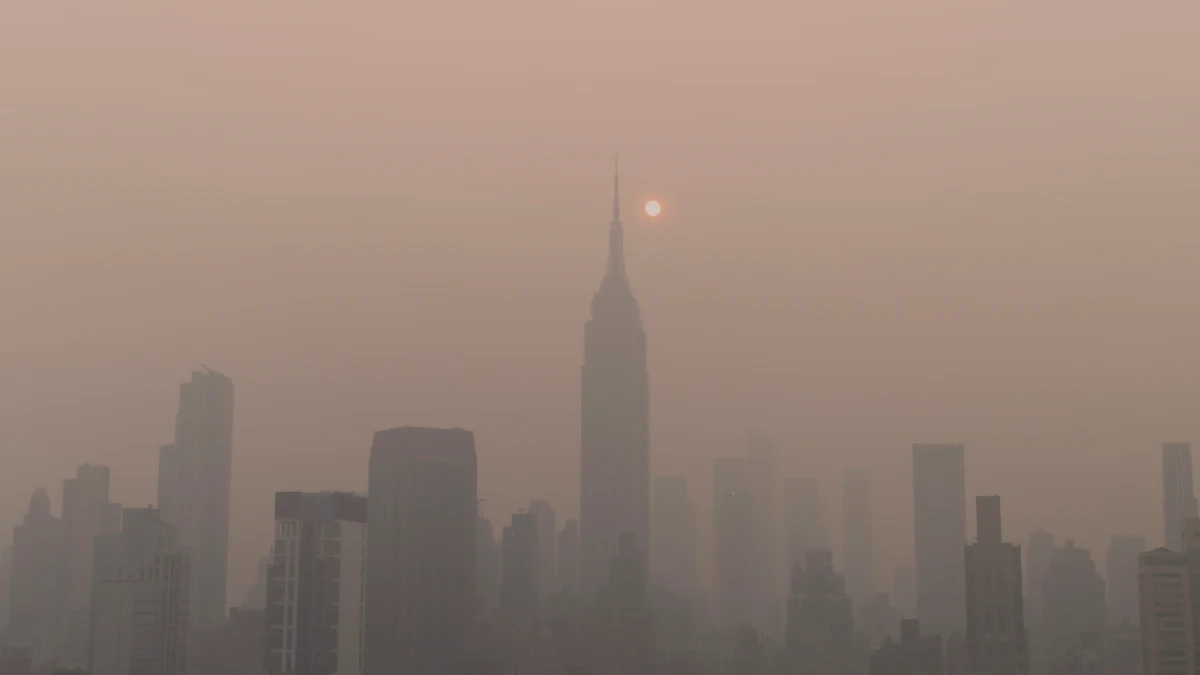
Saturday's thunderstorm cancellations came on top of a separate problem that had been building since Friday: wildfire smoke drifting across the Great Lakes and into the Northeast. The FAA had warned that smoke could reduce visibility at JFK, LaGuardia, and Newark, while hazy conditions over Philadelphia produced more than 200 flight delays on Friday alone, according to flight tracking data.
JetBlue issued its smoke-related waiver a day before the storm waiver, covering affected routes on July 17 and 18. That sequence left some travelers dealing with two consecutive disruption events on back-to-back days, compressing their options for rebooking within waiver windows.
The Disruptions Reached Beyond Aviation
Flight disruptions on this scale reach into other industries. The New York Liberty's WNBA charter could not get to Arlington, Texas on July 16 because of a mechanical failure with the team's aircraft, forcing the league to postpone the Dallas Wings vs New York Liberty game to July 20. The WNBA's official announcement cited mechanical issues as the cause, severe thunderstorms affecting New York-area airspace and a separate FAA-mandated ground stop at Dallas-Fort Worth were documented on the same day. Liberty player Pauline Astier posted from the tarmac after the team had been waiting more than ten hours. The postponement illustrates how tightly professional sports scheduling depends on air travel reliability, a single aircraft mechanical fault was enough to strand a WNBA roster and cancel a nationally scheduled game.
Know Your Rights Before You Rebook
Travel waivers and passenger rights are not the same thing, and confusing them is a costly mistake.
A waiver is a voluntary tool an airline offers during disruptions. It lets passengers change their flight for free within a defined window. It typically ends with a new flight, not a refund. A cancellation is different. When an airline cancels your flight, U.S. Department of Transportation rules give you the right to a full cash refund to your original payment method if you choose not to travel, regardless of whether your ticket was refundable. That right applies even on basic economy fares. Accepting a rebooking offer waives that right, so if your flight is cancelled and you want the money back rather than a new date, request the refund directly before the airline rebooks you automatically.
JetBlue's own guidance on its delays and cancellations page draws this distinction clearly waivers result in travel credits or rebooked flights, a cancellation by the airline entitles passengers to a cash refund.
Before You Leave for the Airport
Flight totals across the U.S. have been elevated throughout July 2026, with several days this month logging more than 6,000 domestic delays, according to flight tracking data. The FAA has attributed the persistent disruption pattern to peak summer demand running close to system capacity, meaning even moderate weather events trigger outsized impacts.
Three steps matter most. Check your airline's app for the current status of your specific flight before leaving home. Look at the FAA airport status page for your departure airport to see whether a ground stop or ground delay program is active. And if your flight has been cancelled, contact the airline directly to request a refund before accepting any automatic rebooking, DOT rules put that right in your hands.
For current disruption numbers, FlightAware's cancellations tracker updates continuously and breaks down delays and cancellations by airport and carrier. Any specific totals from earlier in the weekend should be treated as snapshots, not current counts.
- Northeast flight disruptions
- travel waivers July 2026
- Philadelphia airport delays
- New York airport ground stops
- FAA ground stop
- passenger refund rights