Iran War News Update: US Hits 10 Targets After Tanker Strike
Iran's IRGC struck Kuwait and Bahrain with missiles and drones after US forces hit 10 Iranian military targets near the Strait of Hormuz on June 27-28, 2026.

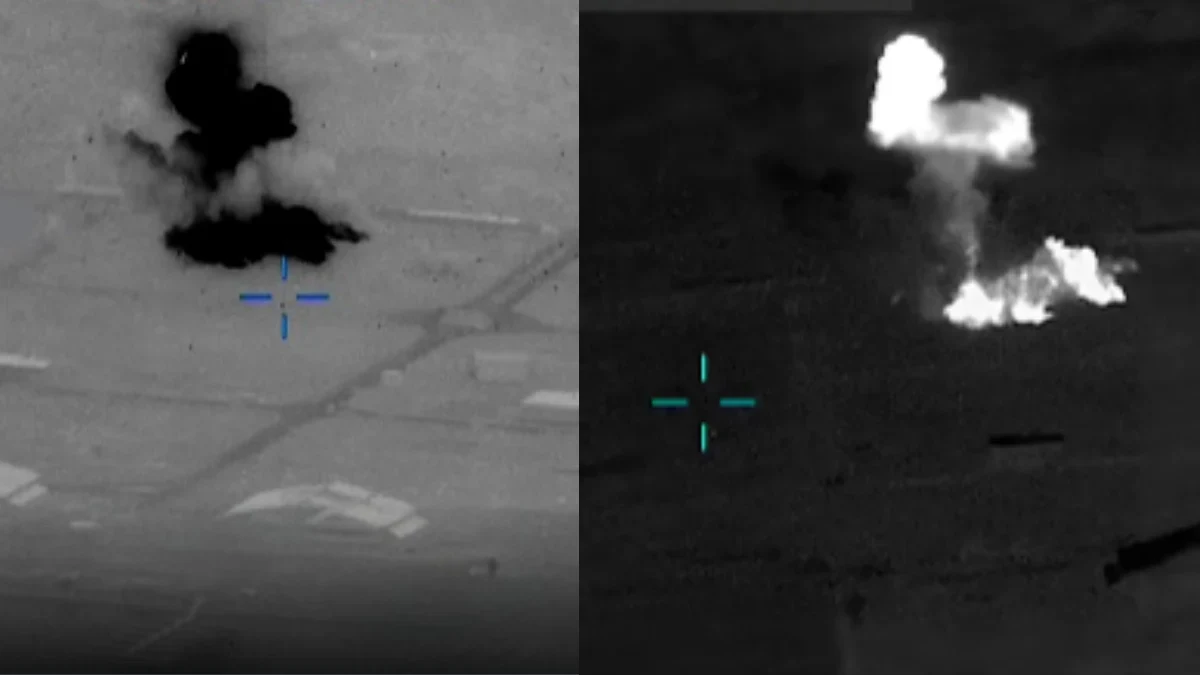
Iran's Islamic Revolutionary Guard Corps fired ballistic missiles and drones at US military installations in Kuwait and Bahrain in the early hours of Sunday, June 28, after US Navy and Air Force jets struck 10 Iranian military targets near the Strait of Hormuz the previous night, the second consecutive day of American strikes and the most serious exchange since the ceasefire memorandum was signed on June 17.
What Triggered the Exchange
The chain of events began Saturday morning when US Central Command confirmed that an Iranian one-way attack drone hit the Panama-flagged oil tanker M/T Kiku at 4:30 a.m. ET as it transited near the Strait of Hormuz carrying more than two million barrels of crude oil. Britain's maritime security agency UKMTO reported that the vessel sustained damage to its bridge, with all crew safe and no environmental damage detected.
That attack came one day after the Singapore-flagged container ship M/V Ever Lovely was hit by an Iranian drone on June 25 while exiting the Gulf along the Omani coast, an incident that triggered the first round of US retaliatory strikes on June 26, which hit Iranian missile and drone storage locations and coastal radar sites near Sirik.
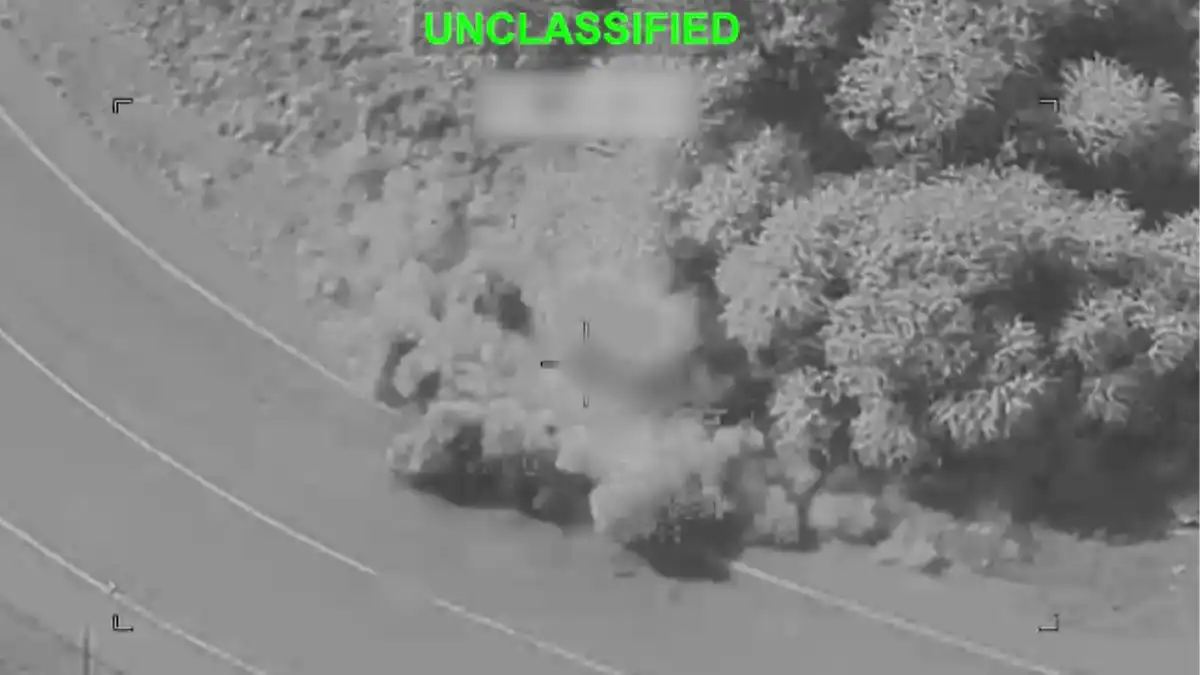
CENTCOM said it responded to the Kiku attack with strikes on 10 Iranian military targets "at multiple locations in and near the Strait of Hormuz," targeting surveillance infrastructure, communications systems, air defense sites, drone storage facilities, and mine-laying capabilities. CENTCOM posted this figure on its official X account alongside strike footage. Iranian state media reported explosions in Sirik, Bandar-e Lengeh, and Qeshm Island.
Iran Strikes Kuwait and Bahrain
Between 2 and 3 a.m. local time on Sunday, the IRGC said its naval and aerospace forces launched a joint operation. In a statement carried by state broadcaster IRIB, the IRGC said it targeted the Ali Al Salem Air Base in Kuwait and the US Fifth Fleet headquarters at Port Salman in Bahrain, claiming it destroyed eight pieces of US military infrastructure. A US official told Reuters there were no reported US casualties or major damage to US facilities, an initial government assessment made before any independent battle-damage survey.
Kuwait's army activated its air defenses and told residents that any explosion sounds were the result of interceptions. The Foreign Ministry condemned what it called a "flagrant violation" of Kuwait's sovereignty. Bahrain's Defence Force said it "intercepted and destroyed a number of projectiles," but one drone broke through. Bahrain's Interior Ministry confirmed a residential building in Muharraq Governorate sustained significant material damage. No deaths were reported. The Bahraini Foreign Ministry described the pattern as "a deliberate approach and a systematic pattern of repeated aggression against the sovereignty of the kingdom, and the security of its citizens and residents."
Qatar, the UAE, Saudi Arabia, Egypt, Oman, and Jordan all issued condemnations.
What Trump Said and What Iran Threatened
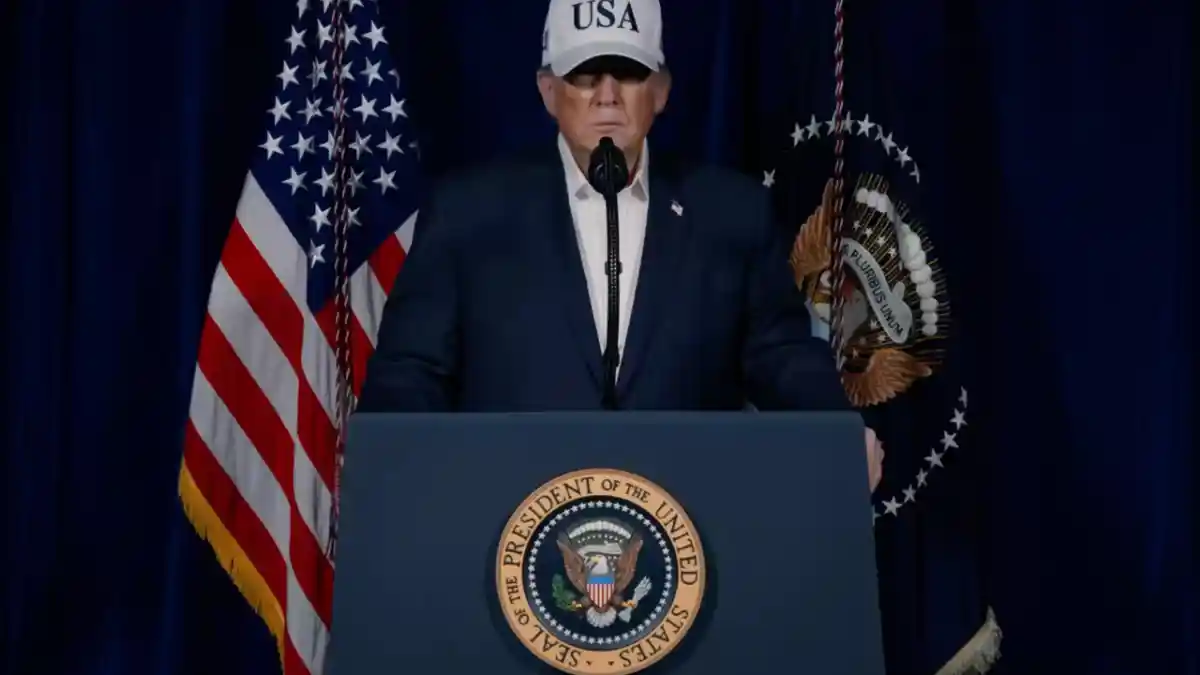
President Donald Trump announced the Saturday strikes on Truth Social, writing: "United States aircraft just struck Iranian missile and drone storage locations, and coastal radar sites, for violating the Cease Fire Agreement, AGAIN! It is very possible that they will never learn!" He followed with a direct warning: "There may come a point when we are no longer able to be reasonable, and will be forced to militarily complete the job that we very successfully started. If that happens, the Islamic Republic of Iran will no longer exist!"
The IRGC's response was that any further US strikes "will result in the complete halt of all diplomatic processes."
Iran's Foreign Ministry had already called the June 26 strikes a "blatant violation" of the memorandum of understanding. CENTCOM's own statement positioned the sequence differently: Iran "was given a chance to honor the ceasefire agreement but elected not to."
Both governments now formally accuse the other of the first breach. No neutral adjudication of legal responsibility has been made.
What the June 17 Agreement Actually Says
The 14-point memorandum published by Reuters, signed on June 17, gave both sides 60 days to negotiate a permanent accord. On shipping, it requires Iran to use its "best efforts" to ensure safe passage through the strait at no charge for 60 days, and aims to restore commercial traffic to pre-war levels within 30 days of obstacles being cleared. It calls for Iran and Oman, together with other littoral states, to discuss future administration of the waterway under international law.
Iranian Foreign Minister Abbas Araghchi, speaking at a press conference in Baghdad with Iraqi counterpart Fuad Hussein on Sunday, argued that Iran alone manages the strait's reopening. "No other country or institution has any responsibility in this regard," he said. The US and Gulf Arab states have rejected that reading. The MoU text does not confer exclusive legal control on Iran, it sets up a joint administration process as the next step.
Iraq's offer to mediate between the six Gulf Cooperation Council states, Iran, and Iraq was the most concrete diplomatic move to emerge from Sunday's Baghdad meeting.
Shipping Status and Energy Numbers
The Joint Maritime Information Center's June 27 advisory raised the maritime threat level to substantial and widened the southern Omani coastal route for simultaneous inbound and outbound traffic. The strait itself was not closed, CENTCOM noted commercial transits were continuing, but shipping data firm Windward said the pace of normalization had slowed after the attacks on merchant vessels.
The International Maritime Organization had moved 115 vessels and approximately 2,450 seafarers through the corridor between June 23 and June 26 before suspending operations after the Ever Lovely attack. IMO Secretary-General Arsenio Dominguez said the pause would hold "until further clarity is obtained." As of Sunday morning, no restart had been announced.
The strategic weight behind each of these decisions is considerable. According to the US Energy Information Administration, approximately 20.9 million barrels of oil per day moved through the strait in the first half of 2025, roughly 20% of global petroleum liquids and 25% of global seaborne oil trade. The International Energy Agency places the LNG share at a comparable level. The UAE's state oil company has estimated that full flows through Hormuz may not resume until 2027 even under a working agreement.
Brent crude closed at $71.99 per barrel and WTI at $69.23 on Friday, June 26, per Reuters, each down more than 3% on resumed shipping news, before Sunday's exchange added a fresh layer of risk. Oil had already swung sharply when the June 17 deal was signed, as covered in our earlier market analysis. Those were the most recent settlements available. Oil markets were closed on Sunday.
Lebanon: Fighting Continues After Framework
On the same day, the Israeli military said it killed Hezbollah militants and struck a rocket launcher near Nabatieh in southern Lebanon, an IDF claim, not independently confirmed. The strikes came one day after Israel and Lebanon signed a US-brokered security framework on June 26, which Hezbollah leader Naim Qassem immediately rejected as "null and void."
Lebanese President Joseph Aoun spoke with Trump by phone on Saturday. The Lebanese presidency said Trump "emphasized his country's support for Lebanon" and was working to ensure Israel honored its commitments under the framework. The White House did not issue its own account of the call.
What Is Not Yet Settled
The IRGC's claim that it destroyed eight pieces of US military infrastructure in Kuwait and Bahrain has not been verified by any independent source. The US official's preliminary statement of no major damage to US facilities is an initial reading, not a final assessment.
The 60-day negotiating process is due to resume in Switzerland. As of Sunday morning, both governments still held public positions consistent with continuing talks, the IRGC's threat to halt diplomacy was a warning, not a confirmed withdrawal. Whether the Switzerland negotiations proceed on schedule is a question the next 24 hours will answer.
- iran war news update today
- strait of hormuz
- iran attacks bahrain
- oil prices today
- iran war
- ceasefire MoU