House Passes Daylight Saving Time Bill But It's Not Law Yet
The House passed the Sunshine Protection Act by 308 votes to 117 on July 14, but daylight saving time is not permanent yet. The Senate must still act.

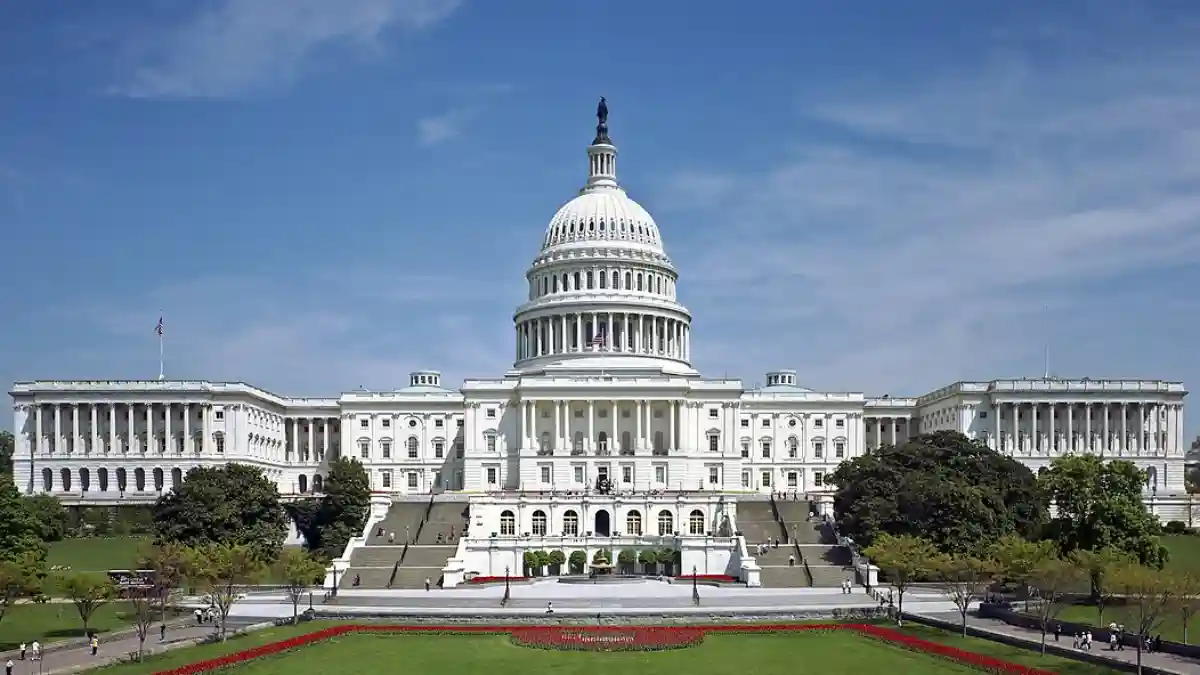
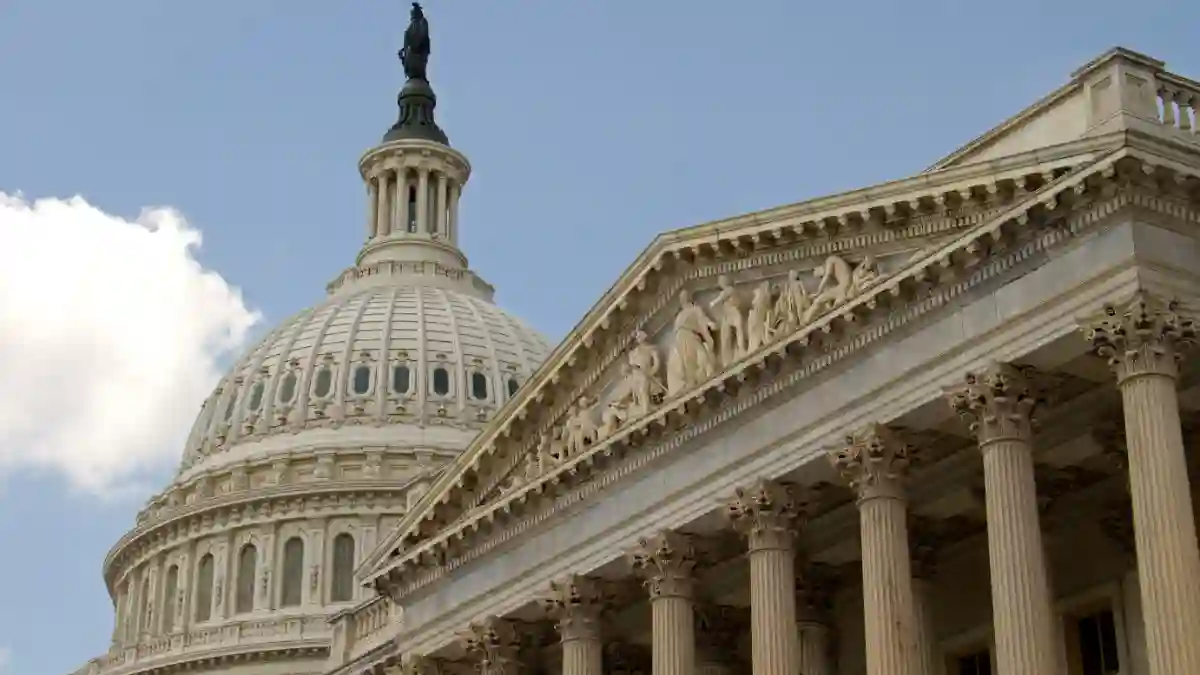
Daylight saving time is not permanent, not yet. The U.S. House of Representatives voted 308–117 on July 14, 2026, to pass H.R. 139, the Sunshine Protection Act of 2025, which would lock American clocks on daylight saving time year-round. The bill now heads to the Senate, where it faces an uncertain path, and where at least one Republican senator has already signaled strong enough opposition to block a fast-track vote.
What the House Vote Did and Did Not Accomplish
Tuesday's vote was bipartisan and decisive. Republicans voted 193–22 in favor, Democrats voted 114–95, one independent backed the bill. The official House Clerk roll call records Roll Call 238 as Passed, with six members not voting.
Passing the House is a significant step, it is not the finish line.
For H.R. 139 to become law, the Senate must pass it and President Donald Trump must sign it. The White House confirmed on July 14 that the administration strongly supports the bill, and that advisors would recommend the president sign it if it arrives in its current form. Trump has been vocal in a May 21 Truth Social post, he pledged to "work very hard" to see the Sunshine Protection Act signed into law, describing the twice-yearly clock change as a "ridiculous, twice yearly production."
Presidential backing matters, but it does not move the Senate on its own.
The Bill's Practical Effect
The Sunshine Protection Act, introduced on January 3, 2025, by Rep. Vern Buchanan (R-Fla.), would amend the federal Uniform Time Act so that the clocks never fall back. Participating areas would stay permanently on the time currently observed between March and November, the "spring forward" position.
In practice evenings get an extra hour of daylight all year, while winter mornings grow darker. Under current law, the U.S. has observed daylight saving time from the second Sunday in March to the first Sunday in November since 2007, with clocks changing at 2:00 a.m. local time. If H.R. 139 is enacted, the November clock change disappears.
States currently exempt from daylight saving time, Hawaii, most of Arizona, and U.S. territories including Puerto Rico, Guam, American Samoa, the Northern Mariana Islands, and the U.S. Virgin Islands, could retain their existing arrangements by having an exemption in place before the law takes effect. Nineteen states have already enacted contingent legislation to move to year-round daylight saving time once Congress acts, according to the National Conference of State Legislatures.
The Senate Obstacle
The House vote is a reversal of a precedent set four years ago. In March 2022, the Senate passed a nearly identical Sunshine Protection Act by unanimous consent. The House never voted on it, and the bill expired at the end of that Congress.
Now the House has moved first, and the Senate has become the sticking point.
Sen. Tom Cotton (R-Ark.) has been the most prominent opponent. A senior Hill aide confirmed on Tuesday that Cotton retains the concerns he has long expressed and that he will ask Senate Majority Leader John Thune (R-S.D.) not to bring the legislation to a floor vote. Cotton has argued publicly that permanent daylight saving time would "push winter sunrises to an absurdly late hour" and that in parts of the country, "kids would either walk to school in the pitch black or schools would have to push back start times."
The Senate companion bill, S. 29, was introduced on January 7, 2025, by Sen. Rick Scott (R-Fla.) and referred to the Senate Committee on Commerce, Science, and Transportation. Several senators on both sides of the aisle have opposed the measure in committee. One House Republican, Rep. Tim Burchett (R-Tenn.), told reporters he believed his constituents wanted the change, but remained skeptical the Senate would deliver it.
Why the 2022 Precedent Matters
Congress has been returning to this issue for years without resolving it. The Energy Policy Act of 2005 extended daylight saving time in the U.S., adding four weeks to the annual schedule, effective from 2007. Before that, the Uniform Time Act of 1966 standardized DST start and end dates and created the framework of state exemptions still in use today.
The most instructive precedent is 1974. President Nixon signed the Emergency Daylight Saving Time Energy Conservation Act in December 1973, placing the country on year-round daylight saving time beginning January 6, 1974. Congress amended the act in October of that year, restoring standard time from October 27, 1974, ending the experiment well before its planned conclusion in April 1975, after complaints mounted about children traveling to school in the dark during winter mornings, precisely the concern Cotton and agricultural-district lawmakers are raising now.
The 2022 Senate bill passed partly because some senators acknowledged later they had not fully understood it was moving. That outcome sharpened the opposition. This time, senators know exactly what is coming.
The Health Debate and Why It Cuts Both Ways
Supporters of the Sunshine Protection Act argue that eliminating clock changes would reduce sleep disruption, lower accident rates in the days after the spring change, and extend evening activity hours that benefit local economies.
The science on which permanent option is healthier is more contested. The American Medical Association and the National Sleep Foundation explicitly back permanent standard time, not permanent daylight saving time, arguing that morning light better aligns with human circadian biology. A 2025 Stanford Medicine modeling study found that switching to permanent standard time was projected to reduce cases of obesity by 2.6 million and strokes by 300,000 compared with the current switching system, permanent daylight saving time produced about two-thirds of that estimated benefit.
The AP-NORC poll conducted in October 2025 with 1,289 adults found just 12 percent of Americans favored continuing the current clock-change system. But opinions on what to replace it with split sharply 56 percent preferred permanent daylight saving time, 42 percent preferred permanent standard time. Rep. Frank Pallone (D-N.J.) stated at a House Rules Committee hearing: "I don't really know anybody who wants to change the clock anymore."
A competing House bill, H.R. 9638, the Sunshine for Our Kids Act of 2026, introduced on July 9 by Rep. Mary Gay Scanlon (D-Pa.), takes the opposite approach, permanent standard time as the national default, with states allowed to elect daylight saving time if they choose.
What the Senate Decides Next
The bill's Senate path depends heavily on Majority Leader Thune's scheduling decisions and whether Cotton's opposition blocks unanimous-consent fast-tracking. That mechanism allowed the 2022 Senate bill to pass, Cotton has made clear he intends to use it now to stop or delay this one.
The House Energy and Commerce Committee passed H.R. 139 by 48–1 earlier this year. The White House has signaled it wants the bill. Neither factor forces Senate action or guarantees a vote.
Until the Senate passes H.R. 139 and the president signs it, the twice-yearly clock change remains federal law. The first Sunday in November is still the date American clocks fall back, unless Congress acts before then.
- daylight saving time bill 2026
- Sunshine Protection Act Senate vote
- H.R. 139 permanent daylight saving time
- Senate daylight saving time 2026
- daylight saving time permanent