Navarro Loses Appeal on Jan. 6 Contempt Conviction
D.C. Circuit unanimously upholds Peter Navarro's contempt of Congress conviction, ruling he could not prove Trump invoked executive privilege to shield him from the Jan. 6-related subpoena.

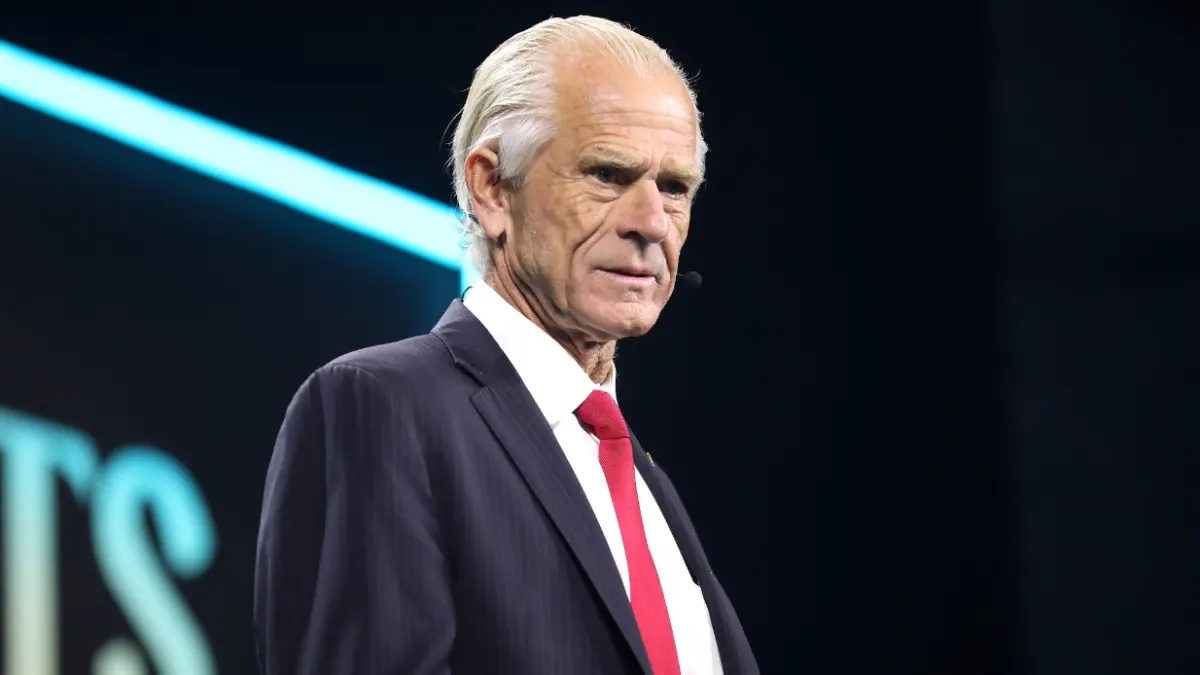
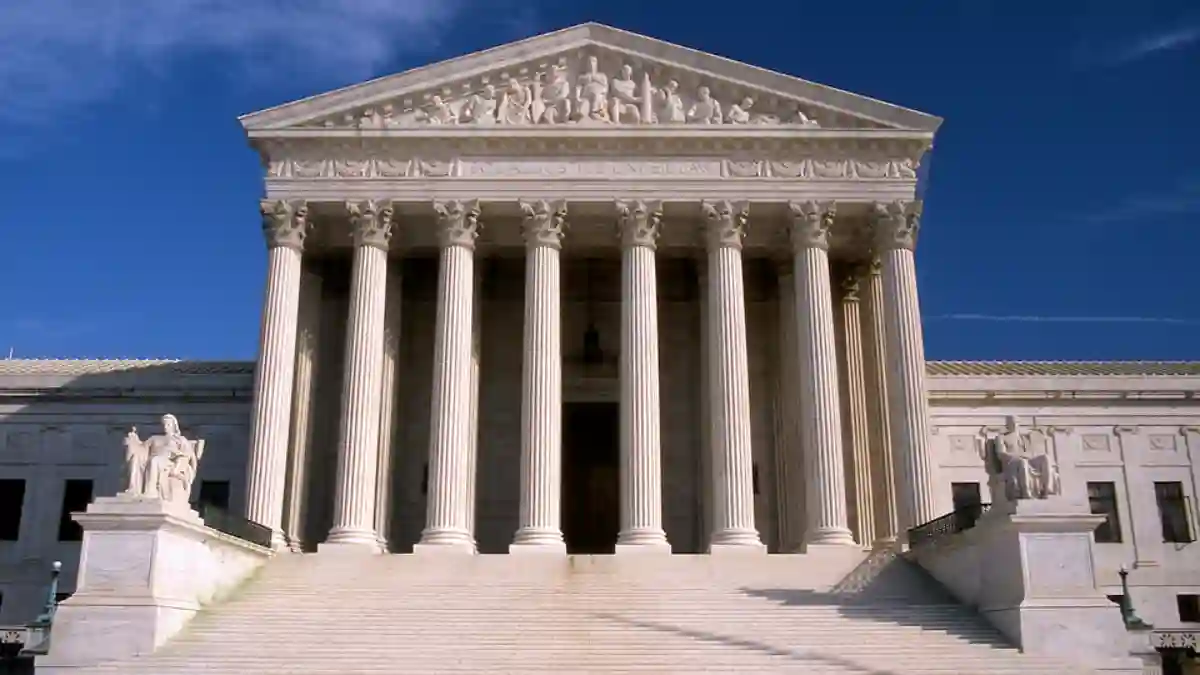
A federal appeals court on Tuesday unanimously upheld Peter Navarro's criminal contempt of Congress convictions, ruling that the White House trade counselor failed to prove that President Donald Trump had ever invoked executive privilege to shield him from a House subpoena tied to the January 6, 2021, Capitol attack.
The three-judge panel of the U.S. Court of Appeals for the District of Columbia Circuit issued its decision on July 21, 2026, affirming two misdemeanor convictions that had already put Navarro behind bars for four months. The ruling, written by Circuit Judge Patricia Millett, exhausts the appellate avenue Navarro pursued before the D.C. Circuit though a petition to the Supreme Court remains open to him.
The Privilege Claim the Courts Rejected
The House Select Committee to Investigate the January 6th Attack subpoenaed Navarro on February 9, 2022, directing him to produce documents by February 23 and appear for a deposition on March 2. He ignored both deadlines entirely.
His defense rested on a single argument that Trump had directed him to assert executive privilege, making compliance legally impossible. Courts at every level found that argument unsupported by any evidence.
Judge Millett wrote in the ruling: "In short, Dr. Navarro has acknowledged that even if executive privilege had been invoked, that would not have excused his categorical failure to comply with the Select Committee's subpoena."
That passage is the legal crux of the decision. Even granting Navarro the most favorable reading of his own claim, the appeals court found he had no basis for a blanket refusal no documents, no appearance, no attempt to invoke privilege on a specific question at the deposition itself.
The panel found that Navarro could not prove Trump had shielded him from the subpoena's requirements by invoking executive privilege. The district court had already reached the same conclusion, and Tuesday's ruling confirmed it on the same grounds.
From Subpoena to Sentencing: The Case Timeline
The congressional subpoena emerged directly from Navarro's own public statements. Congress subpoenaed him in part because of claims he made in a 2021 book describing his plan to leverage then-Vice President Mike Pence's authority to delay certification of the 2020 presidential election results.
After Navarro refused both the document request and the deposition, the House referred the matter to the Justice Department. A federal grand jury returned an indictment in June 2022 on two counts of contempt of Congress one for refusing to produce documents, one for refusing to appear for the deposition. A jury convicted Navarro on both misdemeanor contempt counts on September 7, 2023, each punishable by up to a year in prison.
U.S. District Judge Amit Mehta sentenced Navarro on January 25, 2024, to four months in prison and a $9,500 fine. The Supreme Court denied his applications to remain free pending appeal first on March 18, 2024, then again on April 29, 2024 and Navarro reported to a federal prison in Miami and served the full sentence. He was a White House trade adviser during Trump's first term and returned to a senior counselor role during the current administration.
What the Ruling Does and Doesn't Do
Tuesday's decision affirms the two convictions. It imposes no new sentence, since Navarro has already served his four months. Nor does it foreclose all further legal options: Navarro could petition the Supreme Court for review, though the Court denied his release applications twice in 2024, and he has already completed his sentence.
The panel addressed both the factual failure no proven invocation by Trump and a separate legal point even a proven invocation would not have entitled Navarro to skip the congressional proceedings entirely. As the court noted, privilege must be asserted specifically, at the moment of questioning, not claimed in advance as justification for never appearing at all.
The question of what federal courts can and cannot do to reverse prior rulings on criminal matters remains a live area of law. The Justice Department has separately pursued reversals in other federal conviction cases as seen in the DOJ's effort to undo Tony Bailey's compassionate release after a Supreme Court ruling struck down the sentencing guideline that freed him illustrating how unsettled criminal-law outcomes can remain long after initial verdicts are handed down.
The Panel and the Legal Standard
The three-judge panel unanimously upheld Navarro's two-count contempt conviction for refusing to cooperate with the committee. Navarro, who serves as a senior counselor to President Donald Trump, had argued that executive privilege applied to the subpoena, but the panel found that the lower court correctly ruled that Trump never invoked that privilege.
The opinion states the governing legal standard directly: "We hold that the authority to invoke executive privilege rests with a president or his designee." Navarro produced no documentation, no witness testimony, and no contemporaneous record showing Trump or any authorized designee formally invoked privilege over the Jan. 6 Committee subpoena. As CNN reported, Trump's own attorney and a White House adviser who testified to the grand jury both said Trump never made a formal decision to shield Navarro from the committee.
Judges Cornelia T.L. Pillard and J. Michelle Childs joined Millett on the merits panel. The earlier March 2024 panel that denied Navarro's bid to remain free during the appeal a terse unsigned order was composed of Millett, Pillard, and Judge Robert Wilkins.
Navarro's Place in the Jan. 6 Accountability Record
Navarro and longtime Trump ally Steve Bannon are among the only Trump advisers to face criminal charges and serve prison time following the effort to undermine the 2020 election results and the events of January 6. Both served four-month sentences in 2024 for defying House subpoenas.
The contempt statute 2 U.S.C. § 192 carries a penalty range of 30 days to one year per count, with fines up to $100,000. Navarro received four months on each count, both running concurrently, which is why he served a total of four months rather than eight.
His case has been watched by legal observers as a test of whether executive privilege claims can function as a blanket shield against congressional process. The D.C. Circuit panel found they cannot Navarro not only failed to prove Trump invoked the privilege, but the court held that even a valid privilege invocation would not have permitted him to refuse to appear at all.
With the D.C. Circuit's ruling now on record, any further challenge would require Navarro to petition the Supreme Court. Given that the Court denied his release applications twice in 2024, and that he has already served his sentence, the practical stakes of further litigation are largely reputational rather than custodial.
- peter navarro appeal
- navarro contempt conviction
- DC Circuit ruling
- executive privilege Jan. 6
- navarro january 6 subpoena