Trump-Iran Strike Pause Leaves Deal Unconfirmed
Trump paused planned Iran strikes while Gulf mediators pursued a Hormuz agreement, but Tehran had not publicly accepted the proposed terms.

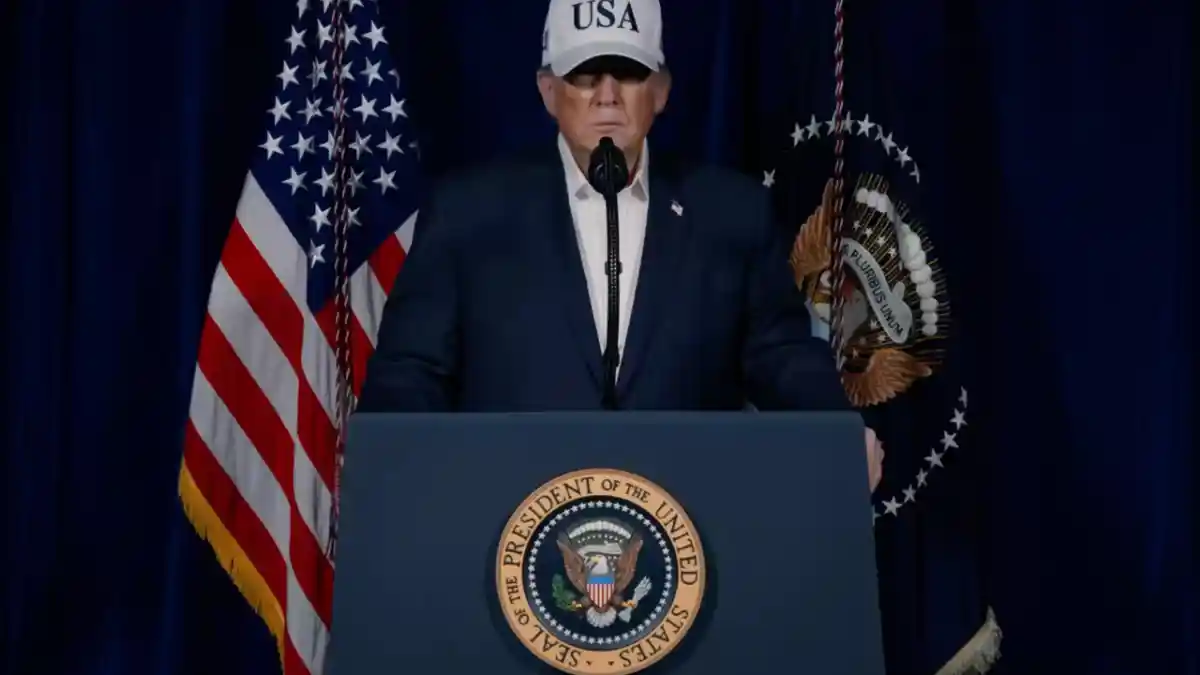
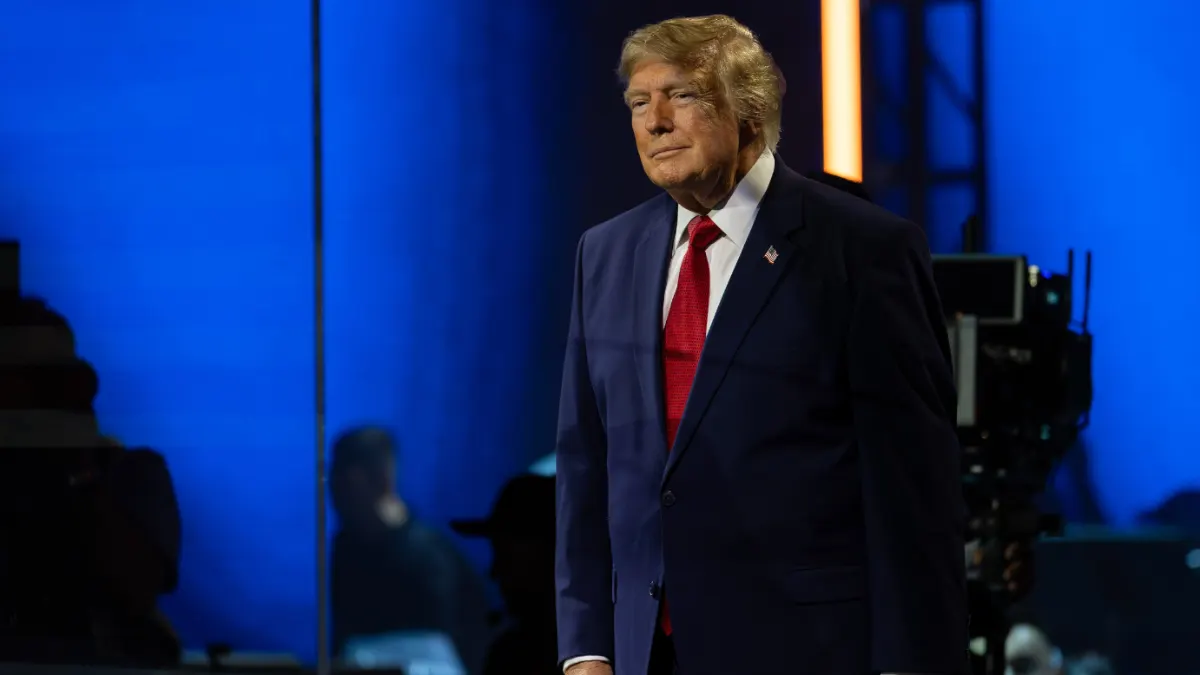
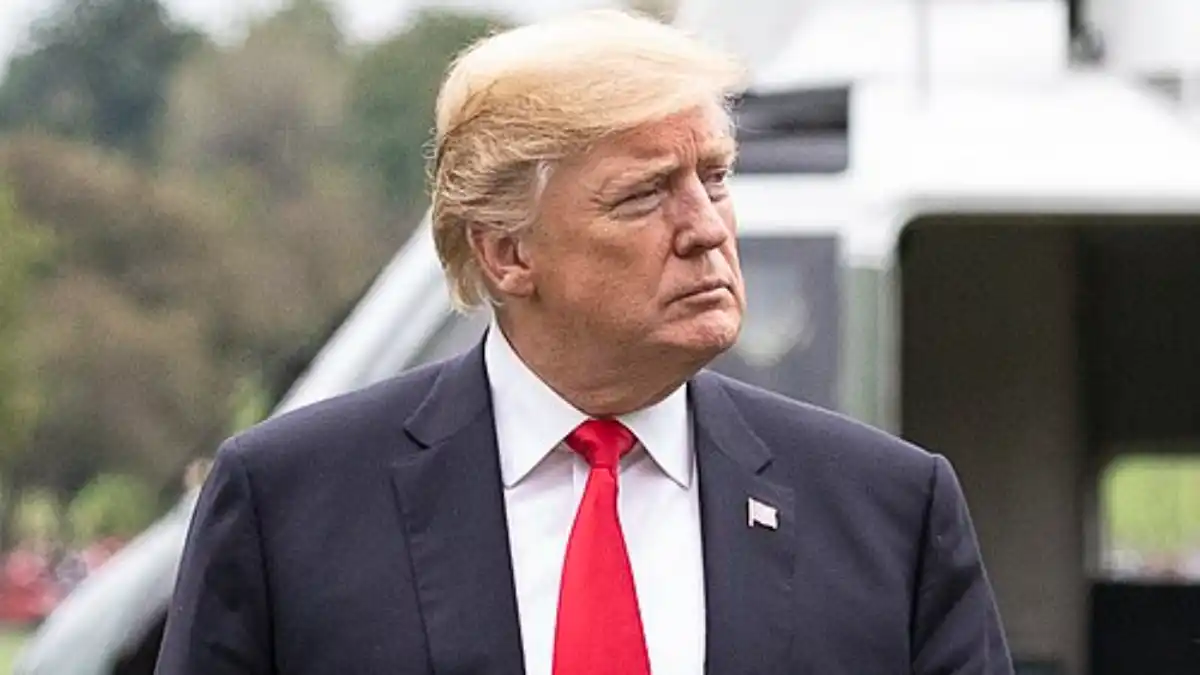
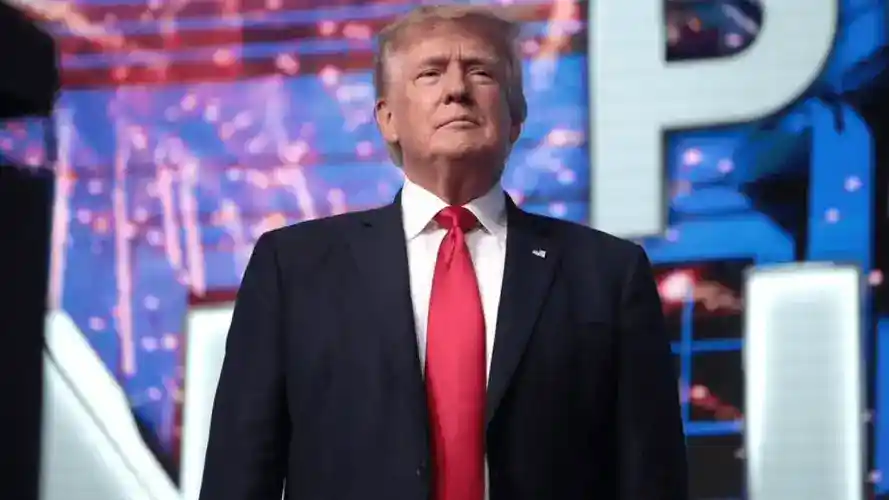
WASHINGTON President Donald Trump said in a Saturday evening social-media post on August 1, 2026, that he would hold off on planned U.S. strikes against Iran while Gulf mediators pursued an agreement to reopen the Strait of Hormuz and address Iran's nuclear programme. At the time of this update on Sunday, Iran had not publicly accepted the proposal and mediation was continuing.
Iran has not publicly accepted the proposal
Trump said he would “cancel the attack, subject to being able to rapidly make a DEAL,” while the proposed terms were being completed.
He said Iran and other Middle Eastern countries had asked for time to finish an arrangement covering the reopening of the Strait of Hormuz and Iran's nuclear activities. He also said Israel would join the U.S. commitment to implement a ceasefire arrangement.
An updated account of the negotiations said no agreement had been completed. A regional official involved in the mediation said talks were continuing and several issues remained unresolved.
Iran's acting defence minister, Brig. Gen. Majid Ebn Al-Reza, wrote that Iran was “neither surprised nor passive” after Trump's announcement. A separate account of his response said he described the U.S. threats as psychological and cognitive warfare and said Tehran would strengthen its preparedness and deterrence.
Iran's response established that its forces remained alert. It did not amount to public acceptance of the proposed terms on navigation, nuclear activity, regional attacks, oil exports, or the U.S. naval blockade.
Saudi mediation reflects the kingdom's own exposure
Saudi Crown Prince Mohammed bin Salman, the kingdom's prime minister, spoke with Trump before the announcement. The crown prince stressed the “necessity of prioritising dialogue to de-escalate tensions,” according to a report on the call.
Saudi officials were concerned that major U.S. strikes against Iranian energy, power, or transport infrastructure could prompt retaliation against Gulf energy facilities. The concern followed weeks of exchanges involving Iran, U.S. forces, and Gulf states, including the escalation documented in GlobalExpressTime's earlier report on U.S. strikes and attacks across the Gulf.
The kingdom's diplomatic role is connected to a physical constraint in its export system. Saudi Arabia accounted for 5.5 million barrels a day, or 38%, of the crude oil and condensate that moved through Hormuz in 2024, according to U.S. energy data. Its East-West pipeline provides an alternative route to the Red Sea, but it cannot replace all normal traffic through the strait.
The Saudi government had already said on June 15, 2026, that a lasting settlement should restore security and freedom of navigation in Hormuz while accounting for the security interests of regional countries, according to its published statement.
Hormuz disruption leaves most traffic without a bypass
Oil flow through the Strait of Hormuz averaged 20 million barrels a day in 2024, equal to about 20% of global petroleum liquids consumption, according to the energy agency's chokepoint assessment.
The same assessment estimated that Saudi and Emirati pipelines had about 2.6 million barrels a day of available capacity to bypass Hormuz during a disruption. Measured against the strait's total 2024 oil flow, that is about 13%. The simple volume comparison leaves roughly 17.4 million barrels a day without equivalent spare pipeline capacity, although crude oil and petroleum-product flows are not perfectly interchangeable.
A separate assessment of gas shipments said about 20% of global liquefied natural gas trade also passed through Hormuz in 2024, primarily from Qatar. Pipeline alternatives for crude therefore do not solve the exposure faced by LNG buyers.
Restricted passage can delay supplies, raise shipping costs, and increase world energy prices. The effects also extend beyond energy markets. The U.S. government's worldwide caution, dated July 22, advises Americans to prepare for flight cancellations, temporary airspace closures, and travel disruption.
New security alerts issued on Saturday covered Bahrain, Israel, Iraq, Jordan, Kuwait, Lebanon, Oman, Qatar, Saudi Arabia, and the United Arab Emirates, according to the regional update.
Maritime crews face a separate risk. The same update said an unknown projectile struck a tanker near Oman and damaged its engine room. A second vessel reported a nearby splash and explosion. No casualties were reported in either incident.
Proposal ties shipping access to regional restraint
A regional official involved in the mediation said the proposal would return Washington and Tehran to negotiations, reopen the Strait of Hormuz, and halt attacks across the region, including those by Iranian-backed militias against Gulf countries and Jordan.
Under the proposed exchange, the U.S. would end its naval blockade on Iran and allow Tehran to export oil. The official spoke anonymously because the mediation details had not been made public.
The terms combine decisions controlled by several actors. Iran's government can negotiate, while the Islamic Revolutionary Guard Corps holds operational power in and around Hormuz. Washington can suspend attacks and alter its blockade. Israel retains its own military decision-making process.
Trump said Israel had joined his commitment. Israel had not publicly commented on the announcement at the time of the latest published update.
The navigation question also has a legal track. Article 44 of the United Nations Convention on the Law of the Sea says states bordering international straits shall not hamper transit passage and must publicise known dangers to navigation. That rule does not by itself settle the military dispute or determine how a negotiated reopening would be enforced.
U.S. forces remain positioned for renewed strikes
The pause followed an active U.S. campaign against Iranian military systems and maritime capabilities.
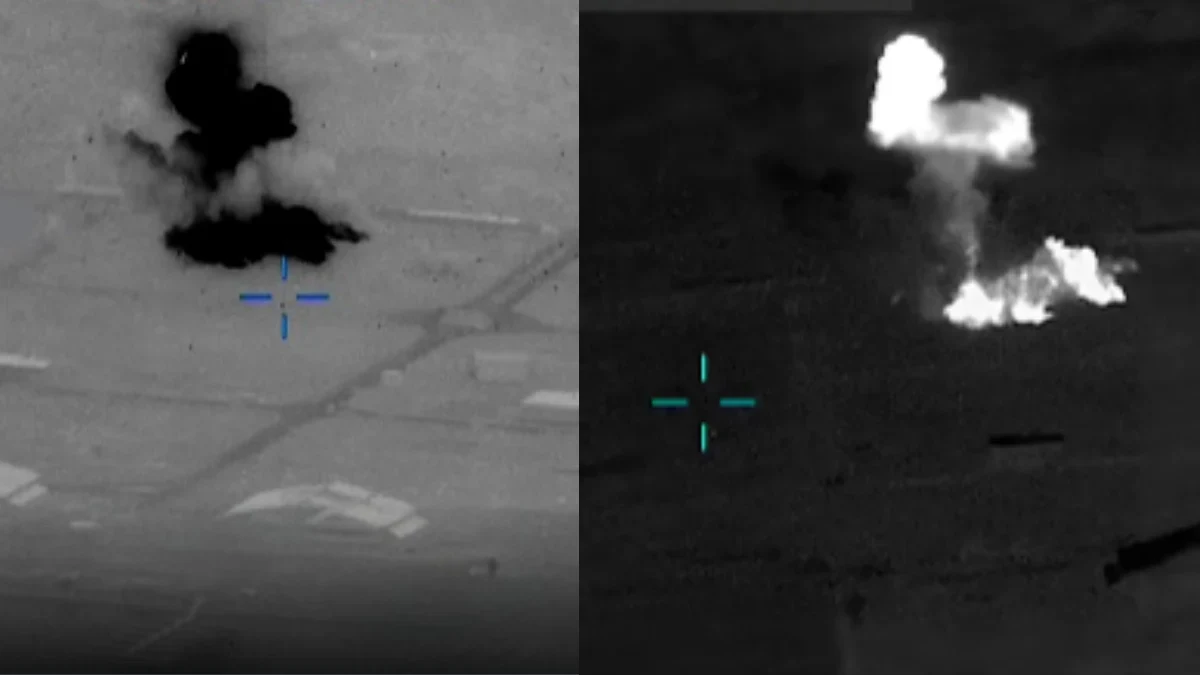
On July 13, 2026, U.S. Central Command said it had struck dozens of targets, including air-defence systems, coastal radar sites, missile and drone capabilities, and small boats. The command said the operation was intended to reduce Iran's ability to attack international shipping through Hormuz.
A report published after several days of threats said Iran had largely restricted the strait and energy prices had risen during the conflict.
Trump's announcement delayed a planned U.S. attack. No withdrawal of U.S. forces was announced, and the pause remains conditional on a rapid agreement.
No agreement has been completed
The next confirmed change would be visible in actions rather than negotiating language. Commercial vessels would resume passage, regional attacks would stop, and the governments named in the proposal would publicly accept the terms.
At the time of this update, mediation was continuing. Iran had not publicly accepted the proposal, and Israel had not issued a public statement confirming Trump's description of its role.
- Donald Trump
- Iran
- Strait of Hormuz
- U.S. strikes
- Saudi Arabia