Canadian Wildfire Smoke Moves Into Great Lakes as Air Quality Alerts Continue
Fresh Canadian wildfire smoke targets the Great Lakes and Midwest on July 19 as storms give the Northeast a brief break. Check AirNow before any outdoor plans.

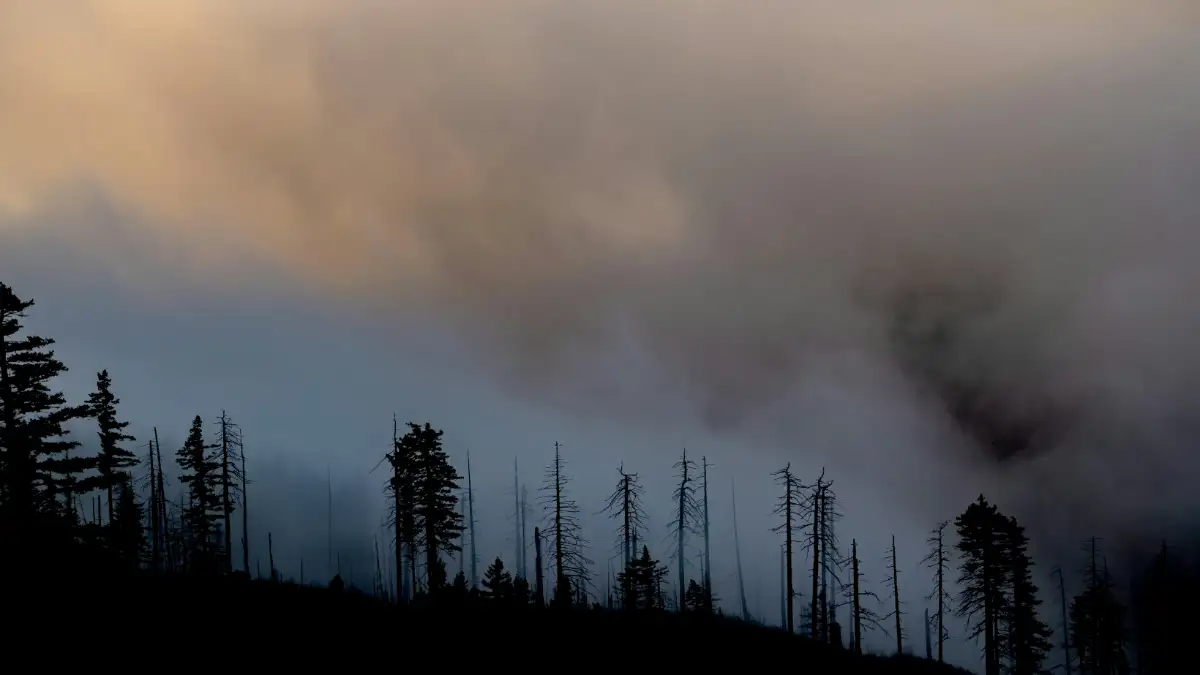
A fresh wave of Canadian wildfire smoke began moving south across the Great Lakes and into the Midwest on the morning of Sunday, July 19, according to the NWS Weather Prediction Center's 4:00 a.m. EDT forecast , extending an air-quality emergency that had already placed more than 100 million Americans under official alerts over the preceding four days.
Storms Clear the Northeast Great Lakes Brace for Another Round
The split in air quality conditions on Sunday was driven by a pair of cold fronts funneling smoke from Ontario wildfires and northeastern Minnesota southward, while thunderstorms swept an earlier, heavier plume off the Northeast coast.
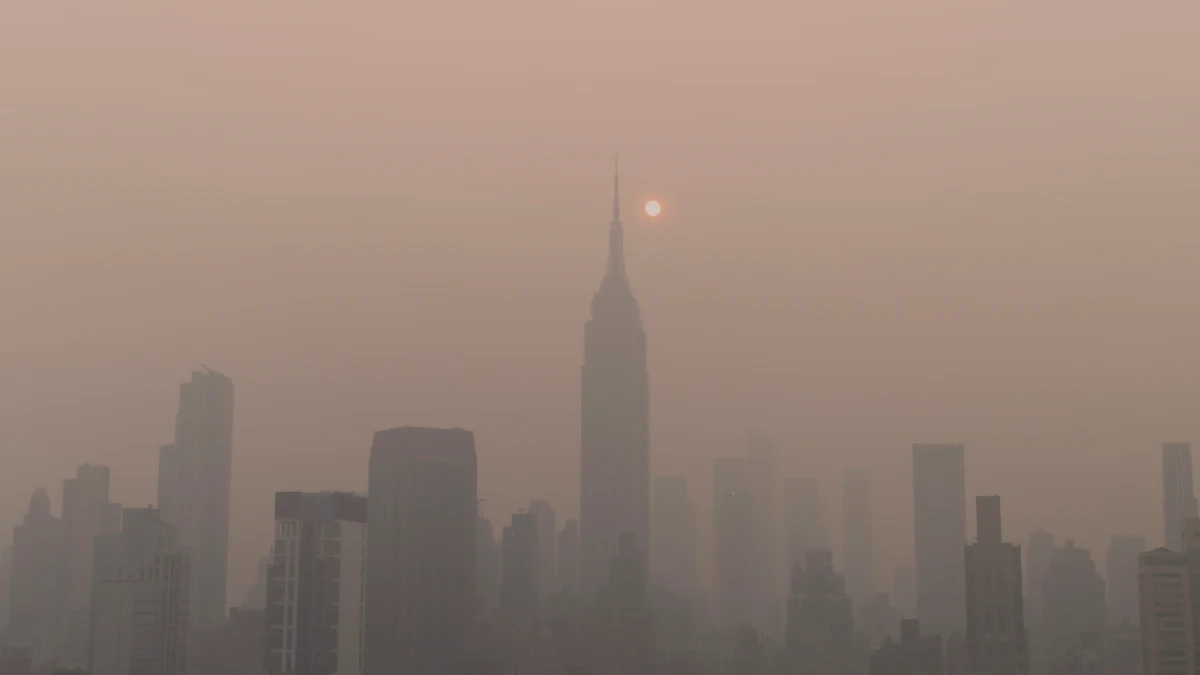
Forecasters said the storms pushing through the Mid-Atlantic and Northeast were expected to clear the thickest smoke from that region, though a new round could track back into the Midwest and Northeast on Sunday, with air currents potentially pushing the smoke farther south than the previous event. Parts of the Northeast woke to visibly cleaner skies for the first time since mid-week, while Great Lakes residents braced for another round.
Air quality alerts remained active across portions of Minnesota, Michigan, Indiana, Ohio, West Virginia, Virginia, Maryland, Delaware, New Jersey, New York, Connecticut, Rhode Island, Massachusetts, Vermont, New Hampshire, and Maine through Saturday, with the National Weather Service warning that areas in the Midwest and Upper Great Lakes would likely contend with poor air quality at least through Sunday.
Smoke Builds Behind a Heat Dome and Cold Fronts
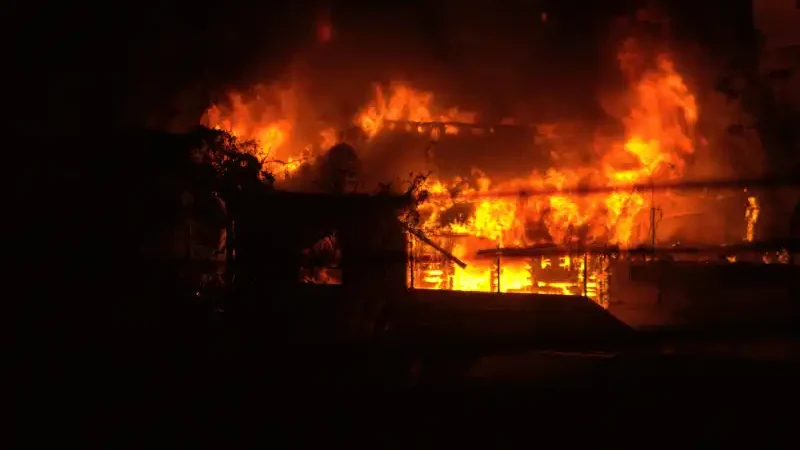
The smoke had been building since mid-July, rooted in a specific atmospheric setup. A heat dome over the central United States created northwesterly wind flow in the upper atmosphere that allowed cold fronts to drag smoke from Ontario and northeastern Minnesota southward , covering the Great Lakes and, at its peak, most of the Northeast as well.
By late Thursday morning, Detroit, Minneapolis, and Chicago ranked as the three most polluted major cities in the world, according to IQAir calculations, though the smoke thinned and air quality improved considerably in parts of the upper Midwest by Friday.
Chicago bore the most severe readings during the initial surge. On Thursday afternoon, the city's Air Quality Index reached as high as 753, placing it in the "hazardous" category and ranking it as the worst air quality in the world ahead of Detroit and New York, according to CBS News Chicago's research. The Chicago Fire soccer team postponed a match against Vancouver Whitecaps at Soldier Field. The FAA reported delays at O'Hare airport Thursday evening due to low visibility from the smoke. Beaches along Lake Michigan closed. For more on how that played out across the metro area, see the earlier report on the Canadian wildfire smoke event that hit Chicago.
Washington, D.C., was placed under a Code Purple alert on Friday , designating air quality as "very unhealthy" for everyone , before improving to Code Orange on Saturday, still posing elevated health risks for sensitive groups, according to monitoring officials. Officials urged healthy adults to avoid prolonged or intense outdoor activity and told older adults, children, and people with heart or lung conditions to avoid all physical activity outdoors. Pennsylvania's Department of Environmental Protection similarly downgraded to Code Orange for southeastern counties on Saturday, an improvement from the Code Purple that had been in effect Friday.
The smoke also drew attention around the World Cup final. Tens of thousands of fans traveling to New Jersey for the Spain vs. Argentina match were told conditions could see improvement after the storm system cleared the area. Air quality monitors in the corridor had briefly registered purple readings throughout the week. The Phillies-Mets series opener was moved over air-quality concerns earlier in the week, part of the broader disruption to scheduled outdoor events along the Northeast corridor.
Ontario Fires and a Heat Dome Built the Season's Worst Plume
The smoke reaching U.S. cities is the product of a Canadian wildfire season that accelerated sharply through July. As of July 9, the federal government reported 796 active wildfires nationally, with 3,137 fires recorded across the season to date and 1.4 million hectares already burned. By July 18, Canada's active fire count had risen to 955 after 69 new fires broke out overnight, with total burned area reaching nearly 28,500 square kilometers , almost 11,000 square miles , according to federal data. That converts to roughly 2.85 million hectares consumed.
According to data from the Canadian Interagency Forest Fire Centre (CIFFC), nearly 80 fires were burning out of control in Ontario alone at the height of the most recent surge.
In Canada overall, more than 3,500 fires have burned in excess of 6 million acres this summer, with a cluster of blazes concentrated in Ontario over recent weeks. The combination of Ontario fire activity and the heat dome over the central United States created the conditions that pushed smoke southeast into populated U.S. corridors.
The PM2.5 Health Risk
The health threat from wildfire smoke comes from what it carries rather than the visible haze alone. PM2.5 particles , microscopic pollutants less than 2.5 micrometers in diameter , travel deep into the lungs or enter the bloodstream when inhaled, leading to breathing problems like bronchitis and triggering inflammation that aggravates diabetes, heart disease, and other chronic conditions.
On the EPA's Air Quality Index, readings above 150 are considered unhealthy for the general public , not just sensitive groups. Readings above 300 cross into the "hazardous" category, the EPA's highest classification, triggering emergency health warnings. Several monitors across Chicago, Detroit, and the Upper Peninsula of Michigan recorded values in that range on Thursday and Friday.
Health authorities recommend staying indoors as much as possible, wearing an N95 mask if going outside is unavoidable, and keeping indoor air cleaner by closing windows and running air purifiers. The EPA's AirNow Fire and Smoke Map tracks current particle pollution by location.
NWS meteorologist Tyler Hasenstein, based in Chanhassen, Minnesota, warned that smoke and extreme heat coinciding in the same region was especially hazardous. "Those two things coinciding with each other is not good from a health perspective," he said.
Forecast Through at Least July 21 Keeps Great Lakes on Alert
The WPC's morning forecast on July 19 confirmed the Great Lakes and Midwest remain the focal point through at least July 21. Model forecasts suggest a third round of smoke could move southward through the upper Midwest beginning Tuesday, sweep into the Northeast around Wednesday, and potentially reach parts of the South Wednesday and Thursday , carried by northwest winds behind additional cold fronts.
Canada's federal outlook projects above-average temperatures across much of the country through August, with dry conditions expected in Manitoba and northwestern Ontario , the provinces that have been the most active source regions for this smoke event. That combination means fire danger across the same corridors that produced the current plume is unlikely to ease quickly.
Health authorities recommend that people across the Great Lakes, Midwest, and Northeast check EPA AirNow before any outdoor plans over the coming days. The CDC's wildfire smoke safety guidance covers protective steps for all groups, with specific recommendations for those with lung disease, heart disease, diabetes, chronic kidney disease, pregnancy, children, and older adults.
- canadian wildfire smoke air quality alerts
- wildfire smoke midwest northeast forecast
- chicago air quality wildfire smoke
- great lakes wildfire smoke air quality
- wildfire PM2.5 health risk