US Strikes Iran for Seventh Night as Gulf Allies Take Fire
US Central Command hit Iranian bridges and Chabahar port for a seventh consecutive night on July 17 as Iran struck Kuwait's desalination plant and targeted Qatar.

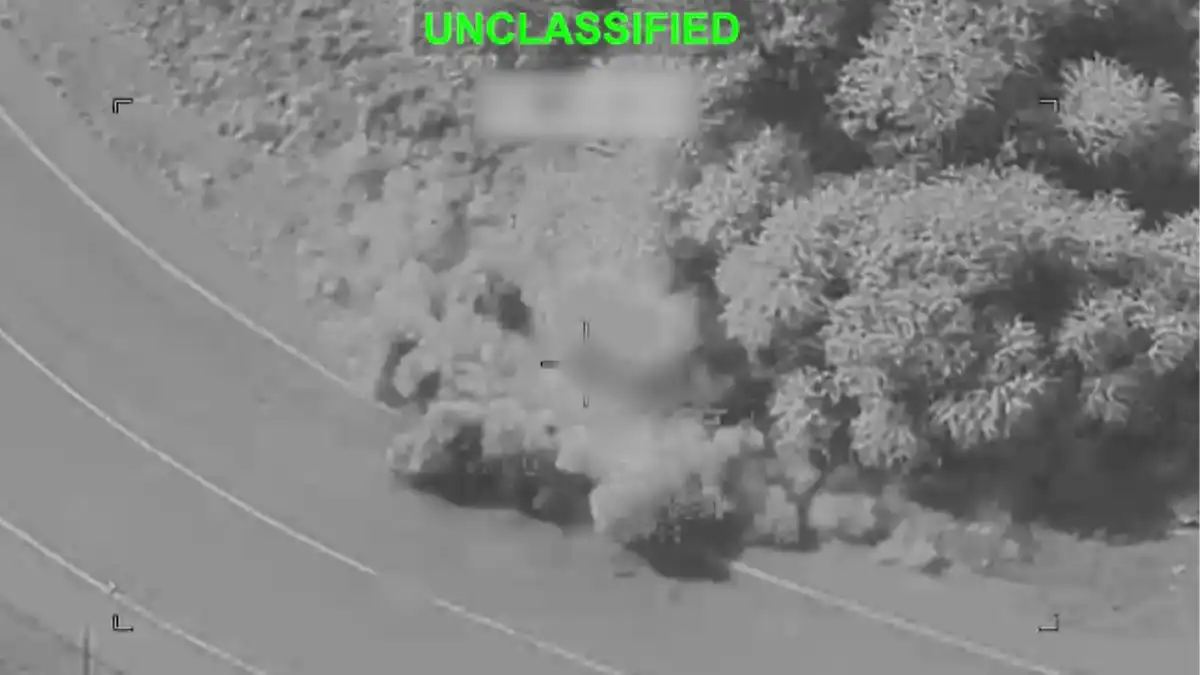
US Central Command announced a seventh consecutive night of strikes against Iran on Friday, July 17, targeting road bridges across southern Iran's Hormozgan province, energy-related sites, and a port control tower at Chabahar. Iran responded with missile and drone attacks across the Gulf, striking a desalination and power plant in Kuwait and targeting Qatar.
Strikes Expand Toward Bandar Abbas
The overnight operation against Hormozgan and Bandar Khamir targeted road bridges linking Iran's main southern port city of Bandar Abbas to the country's interior. Iranian state media reported that multiple bridge spans were struck across the region, describing widespread damage. Iran's Health Ministry spokesperson Hossein Kermanpour confirmed that as of Friday morning, 38 people had been killed and more than 400 wounded in US strikes since fighting resumed in July, citing Iranian authorities' figures, with eight of those deaths attributed to the bridge strikes in Hormozgan province.
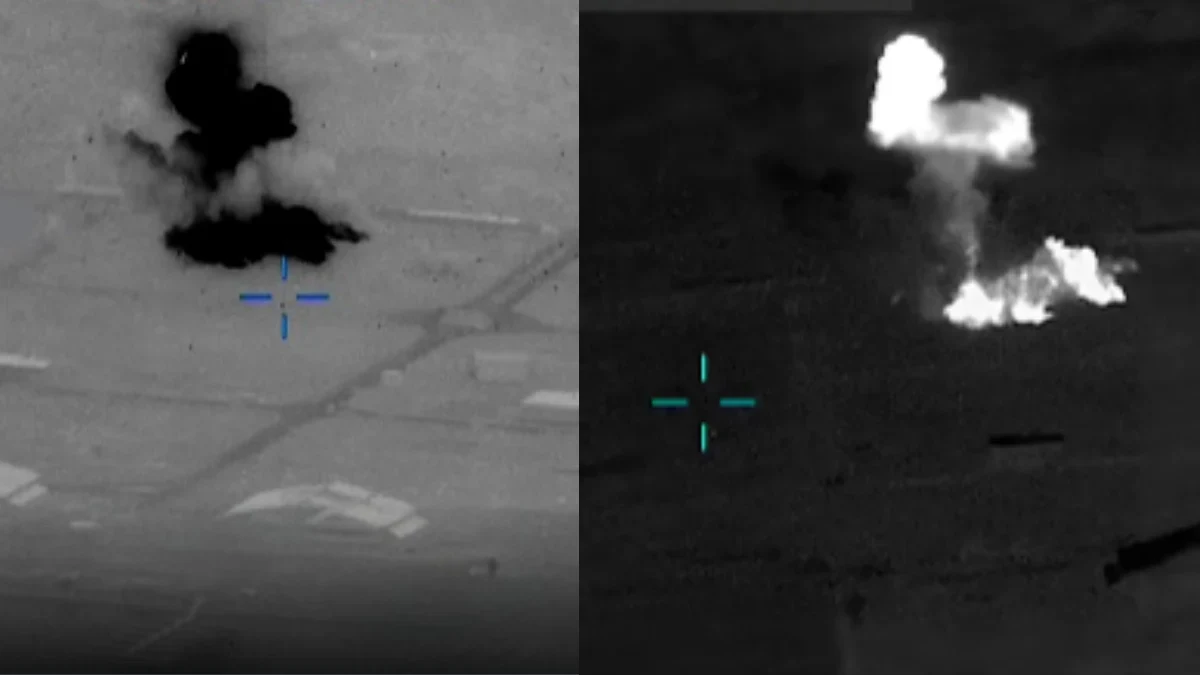
A port control tower at Chabahar's Shahid Kalantari port , struck for the third time in recent days , collapsed, with footage of the moment posted on X by US Defense Secretary Pete Hegseth late Thursday. Iran described the facility as a civilian port control tower used for commercial traffic. CENTCOM's position, stated in a March warning, is that it regards Iranian ports used for military operations as having forfeited protected status. The competing descriptions of the Chabahar tower , commercial port control tower versus military surveillance asset , remain unresolved by any independent party.
Iran's Energy Ministry, through state news agency ISNA, acknowledged for the first time on Friday that US strikes had hit power infrastructure in southern provinces, asking residents to reduce electricity consumption. No specific sites were named by Iranian authorities.
"CENTCOM launched a round of strikes against Iran at 3 p.m. ET today for the seventh consecutive night," the command said in a post on X. "The strikes are designed to continue degrading Iranian military capabilities at the Commander in Chief's direction."
The targeting pattern continues from earlier rounds of US strikes in the Strait of Hormuz campaign, which began targeting Iranian military and coastal infrastructure in March, with earlier rounds documented here. CENTCOM's stated focus on Hormozgan bridge networks indicates an effort to cut Bandar Abbas , Iran's primary southern trade and naval hub , from supply and command routes running north toward Tehran.
Kuwaiti Desalination Plant Catches Fire
Iran's response on Friday created new risks for Gulf civilians. Missile and drone strikes hit the Shuaiba power and water desalination complex in Kuwait's Al-Ahmadi Governorate, triggering a fire that Kuwaiti fire teams contained before declaring the situation stable. Kuwait's Ministry of Electricity, Water and Renewable Energy confirmed the strike damaged multiple power generation units and portions of the facility.
The site is critical infrastructure, not a routine industrial facility. Around 90 percent of Kuwait's drinking water comes from desalination, according to Kuwaiti authorities. Several Kuwaiti military personnel were wounded in the attack. Kuwait's government activated emergency contingency plans and sent technical teams to assess the damage and stabilize the national power grid.
The strike on the Shuaiba complex adds to a pattern of escalating attacks on civilian infrastructure across the Gulf. A previous Iranian strike hit the same Shuaiba area on March 30, killing one Indian worker , the first fatality at a Gulf desalination facility in the current conflict. Friday's strike was the first to cause a sustained fire at the site.
Qatar Hit, Child Injured by Shrapnel
Iran also targeted Qatar , a US-allied Gulf state that has simultaneously served as a mediator between Washington and Tehran , on Friday. Qatar's Interior Ministry confirmed that one child was injured by falling shrapnel after its air defenses intercepted incoming missiles. The ministry said the child was receiving medical care. No direct structural damage to Qatari facilities was reported.
Qatar's defense ministry said its forces thwarted two waves of Iranian ballistic missile attacks, with strikes occurring at approximately 3:30 a.m. and 5:45 a.m. local time. The missiles appeared to target Al-Udeid Air Base, the largest US military air base in the Middle East, which has been used to carry out strikes against Iran over the past week, according to reporting from Qatar-based journalists.
Iranian attacks were also reported against Jordan in the most recent exchanges. Iran's Revolutionary Guard said it targeted Kuwait, Bahrain, and Oman. Early reporting named Bahrain and Oman but primary sources had not fully verified those claims at the time of writing.
Hormuz: Eight Ships, One Chokepoint
Only eight vessels transited the Strait of Hormuz on Thursday, according to shipping tracker MarineTraffic as cited by the Associated Press. That figure reflects how dramatically commercial traffic has contracted since Iran closed the waterway following US and Israeli strikes in February.
Before the conflict began, roughly 20 percent of global petroleum liquids consumption , and approximately one-fifth of global LNG trade , transited Hormuz each year, according to US Energy Information Administration data. Oil prices were trading above $86 per barrel on Friday, according to market reporting from the Associated Press.
US Marines from the 11th Marine Expeditionary Unit boarded the MT Wen Yao, an Iranian-flagged supertanker, in the Gulf of Oman on July 16 as part of the naval blockade CENTCOM reimposed on July 14. CENTCOM said US forces had at that point redirected three commercial vessels attempting to breach the blockade, disabled one non-compliant tanker, and boarded the Wen Yao for verification. The blockade targets ships entering or exiting Iranian ports and coastal areas. The IRGC separately claimed that two oil tankers struck mines in the strait and exploded. That claim had not been confirmed by any independent maritime body or news organization as of Friday.
US Casualties Since February, Diplomatic Path Narrows
American officials told the Associated Press that 13 additional US service members had been wounded since Monday, July 14. Since the war began on February 28, the US has reported 14 service members killed and more than 400 wounded, per official figures cited by the Associated Press.
The conflict began when the United States and Israel launched what President Donald Trump called "major combat operations" against Iran on February 28, targeting military infrastructure and resulting in the death of Supreme Leader Ali Khamenei. Iran responded by closing the Strait of Hormuz. A 14-point ceasefire memorandum was signed on June 17, setting a 60-day framework for negotiations, but both sides have continued exchanging strikes, each accusing the other of the first breach. Peace talks at Lake Lucerne in Switzerland remain formally open, though the IRGC has warned that continued US strikes will end any diplomatic process.
France has separately said it could block the lifting of UN sanctions on Iran without French approval, a position Foreign Minister Jean-Noël Barrot made public in mid-June. Barrot stated that as a permanent Security Council member, France would need to give its consent for any sanctions relief, complicating any final negotiated outcome that requires Security Council endorsement , a position reported by Reuters and confirmed through official French foreign ministry statements.
What Remains Unverified
Several claims in circulation on July 17 had not been confirmed by independent sources. The IRGC's assertion that two tankers struck mines in Hormuz and exploded was not verified by any independent maritime body as of Friday. The exact targeting list for Sirik, Ahvaz, Yazd, and Iranshahr airport, mentioned in some reports, lacked verification through official documentation at the time of writing. Casualty figures from Iran come from Iranian authorities during active hostilities. Iran's Health Ministry confirmed 38 killed and more than 400 wounded from US strikes since fighting resumed in July , the most reliably sourced figure published as of Friday morning.
A further round of US strikes was confirmed at 3 p.m. ET on Friday , the seventh consecutive day , with CENTCOM providing no additional detail on scale or targets. The fate of the Switzerland talks, and whether Iran's retaliatory campaign would escalate further into Gulf civilian infrastructure, remained open questions at the close of July 17.
- US airstrikes Iran seventh night
- US strikes Iran Strait of Hormuz
- Iran retaliation Gulf states
- Strait of Hormuz conflict escalation
- US Central Command Iran strikes
- Kuwait desalination plant attack