What Actually Happened on July 4, 1776
Congress adopted the Declaration of Independence on July 4, 1776, but the famous signatures came 29 days later. Here is what actually happened on that date.

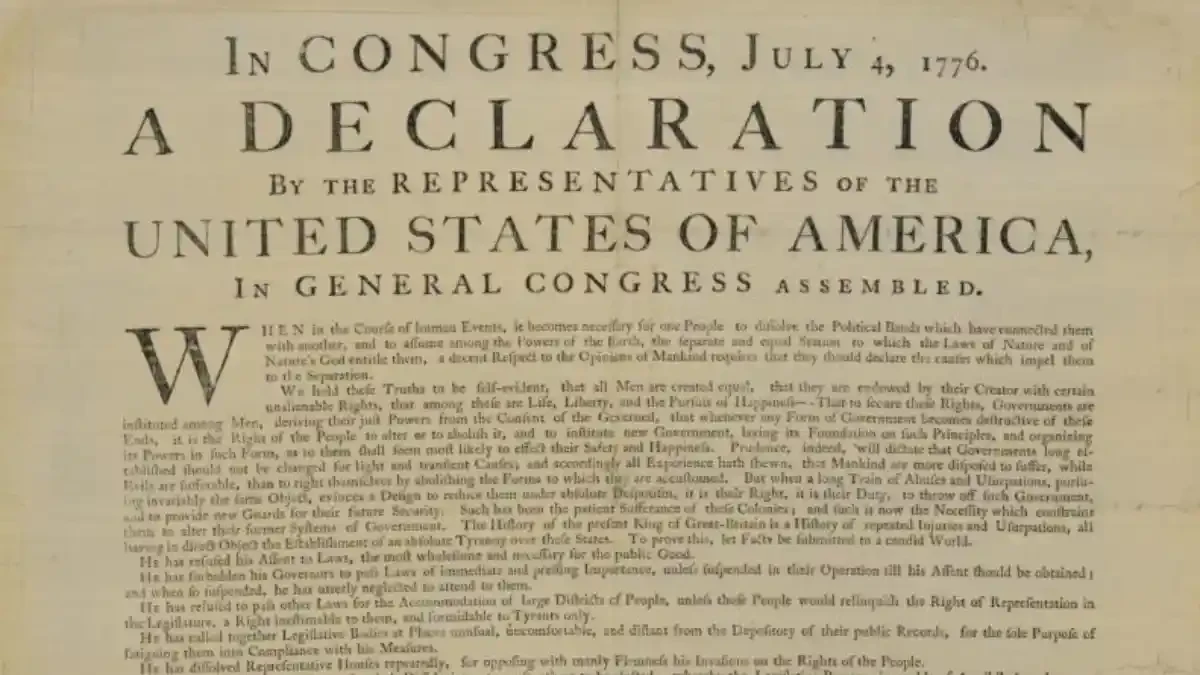
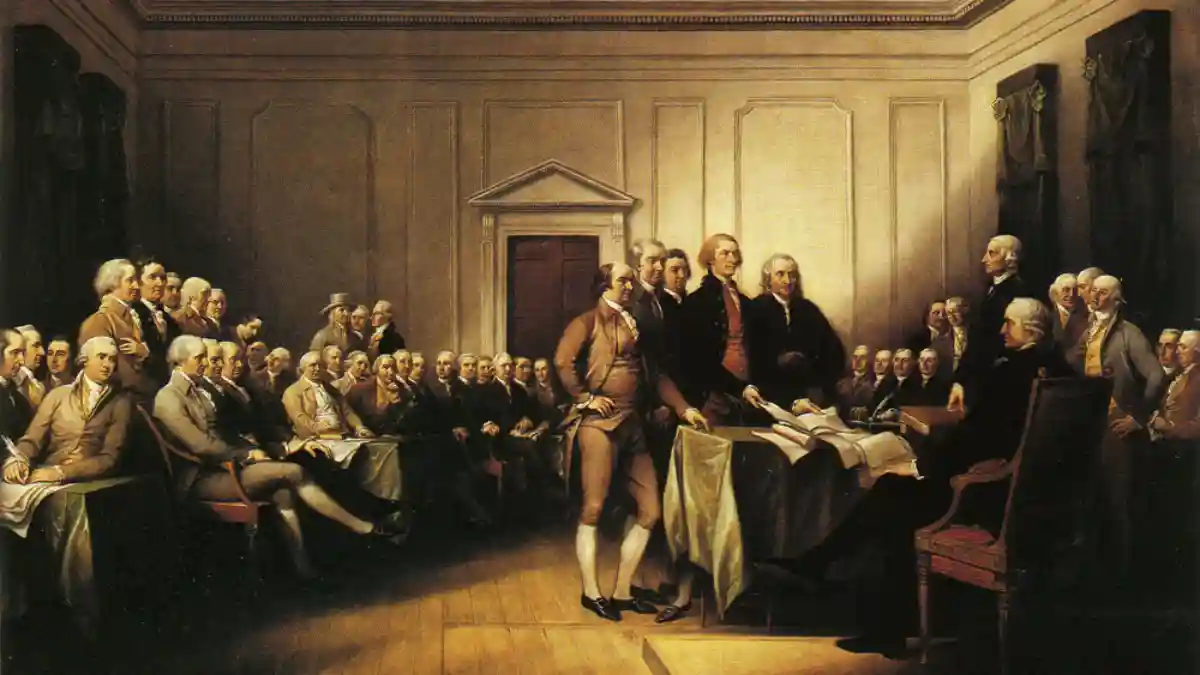
On July 4, 1776, the Second Continental Congress formally adopted the text of the Declaration of Independence in Philadelphia and sent it to John Dunlap, the official congressional printer, who produced roughly 200 broadside copies that night. That printed date is the origin of Independence Day not the signing of the parchment, which happened mostly 29 days later.
What Congress Actually Did on July 2 and July 4
The independence vote came first. On July 2, 1776, the Continental Congress passed Richard Henry Lee's resolution declaring the colonies free from British rule. John Adams, writing to his wife Abigail on July 3, wrote that he was "apt to believe" July 2 would become the great American anniversary, predicting it would be marked by pomp, parades, and bonfires for generations.
He was wrong about the date.
Two days after the vote, on July 4, the delegates approved the final wording of the Declaration and ordered it printed. That July 4 date appeared at the top of every Dunlap broadside distributed to the colonial assemblies, the Continental Army, and the press. The date attached to the adopted text is what the public came to associate with independence.
According to the National Archives timeline, Congress also ordered an engrossed parchment copy prepared for signing but that order did not come until July 19. The actual parchment signatures the ones reproduced in history books were added beginning on August 2, 1776, and some delegates signed even later than that.
The Signing Myth and What the Record Shows
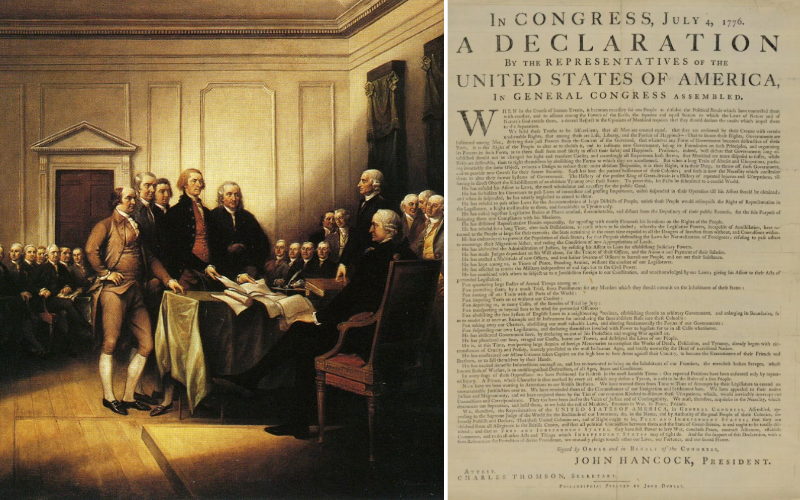
One of the most repeated July 4 misconceptions is that the founders signed the Declaration on July 4. The National Archives timeline is unambiguous most of the 56 eventual parchment signers added their names on August 2. A few did not sign until months afterward.
John Hancock, as president of the Congress, and Charles Thomson, its secretary, had their names on the printed Dunlap broadsides in their official capacities which helped create the long-standing myth that they were the only two to "sign" on July 4. Thomson is not among the 56 parchment signers at all.
The first public reading of the Declaration in Philadelphia took place on July 8, 1776, four days after adoption and before the formal engrossment of the parchment had even been ordered, according to the National Park Service. Colonel John Nixon delivered that reading at noon.
A Federal Holiday 94 Years Later
The public began celebrating July 4 almost immediately. Philadelphia held an anniversary celebration in 1777 that included fireworks and military ceremonies. On July 4, 1778, General Washington's orders directed a double allowance of rum for his troops a directive preserved in the Washington papers at the Library of Congress.
Congress did not make July 4 a federal holiday until June 28, 1870, according to the Library of Congress. The date is now codified in federal law under 5 U.S.C. § 6103, which lists Independence Day as July 4 explicitly. For most private employers, the federal designation does not automatically require a closure that depends on individual company policy or applicable state law.
In 2026, July 4 falls on a Saturday. The Office of Personnel Management directs that most standard Monday-to-Friday federal employees observe the holiday on Friday, July 3. The statutory holiday itself remains July 4.
2026: The 250th Anniversary
This year's Fourth of July marks 250 years since the Declaration's adoption. The National Park Service has designated the occasion as America 250, with events at the National Mall in Washington, D.C., and special programming at Mount Rushmore National Memorial from July 2 through July 4.
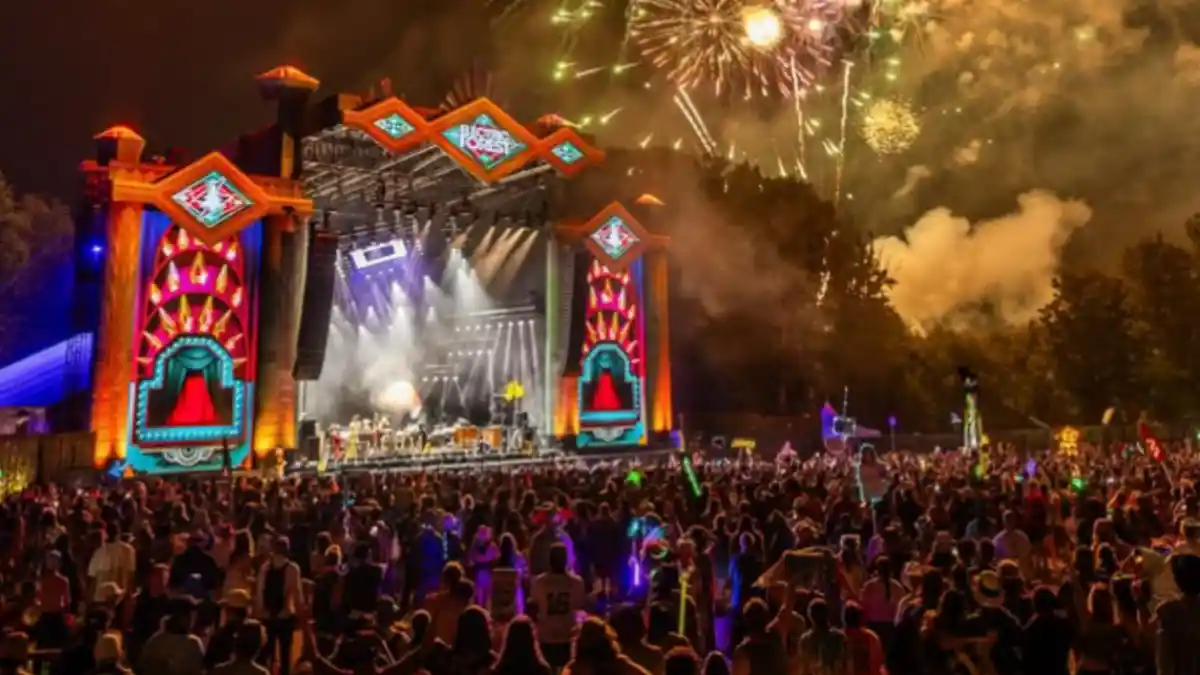
New York City distributed 100,000 free tickets through a lottery for designated waterfront viewing areas at the Macy's fireworks, according to an announcement from the Mayor's Office. The lottery closed on June 29. Macy's describes 2026 as its 50th fireworks show, tied to the nation's 250th anniversary. The company markets its event as the nation's largest fireworks display, though no independent national ranking by a neutral body was found. All events are subject to change based on weather and organizer decisions.
The fireworks industry generated $2.95 billion in combined revenue in 2025 $2.3 billion from consumer products and $650 million from public display contracts according to data from the American Pyrotechnics Association. Both figures are industry-association estimates.
A Country Now 136 Times Larger
When the Second Continental Congress adopted the Declaration, the 13 colonies held an estimated 2.5 million people, according to the U.S. Census Bureau. The same agency places the current U.S. population at nearly 342 million roughly 136 times the 1776 figure.
The Census Bureau compares those estimates in the context of the 250th anniversary, but they span 250 years of territorial expansion, immigration, and changing borders the colonies of 1776 occupied a fraction of the land area of the United States today.
Three Presidents and One President's Birthday
John Adams and Thomas Jefferson both died on July 4, 1826 the Declaration's 50th anniversary. James Monroe died on July 4, 1831. All three facts are confirmed by the White House Historical Association.
Calvin Coolidge, born July 4, 1872, remains the only U.S. president born on Independence Day.
Thomas Jefferson held what is considered the first presidential Fourth of July celebration at the President's House in 1801, according to the White House Historical Association. It included a public reception and outdoor festivities. The National Mall concert and fireworks program is a separate tradition organised by the National Park Service, not a continuation of that event.
The Star-Spangled Banner and the Flag
"The Star-Spangled Banner" became the national anthem on March 3, 1931, when Herbert Hoover signed the designating legislation. Francis Scott Key wrote the poem that supplied its lyrics after witnessing the British bombardment of Fort McHenry in September 1814, according to the Library of Congress.
The current 50-star U.S. flag is the 27th design since Congress first adopted a flag resolution in June 1777. The 50-star version has been in use since July 4, 1960, making it the longest-running edition of the flag, according to Library of Congress classroom materials.
A recurring claim on social media holds that wearing a flag-themed shirt violates federal law. The U.S. Flag Code addresses using an actual flag as clothing or bedding, but Veterans Affairs Flag Code guidance is clear that the code carries no general federal penalty for misuse and does not make every garment printed with a flag design a legal violation.
The Declaration signed mostly on August 2, 1776 is now housed at the National Archives in Washington, D.C. The National Mall celebration is scheduled for July 4, 2026.
- what actually happened on july 4th 1776
- fourth of july
- independence day 2026
- declaration of independence
- fourth of july history